Archer Aviation is acquiring three Boeing subsidiaries—Wisk Aero (autonomous electric aircraft), SkyGrid (airspace management software), and Insitu (unmanned defense systems)—in a deal expected to close by end of 2026 and add more than $200 million in annual revenue.
The transaction significantly expands Archer beyond electric air taxis into defense and autonomous systems, while Boeing gains a roughly 16.5% stake in Archer and retains access to Wisk's core autonomous flight technology for its own aircraft.
What happened
Archer Aviation is acquiring Boeing subsidiaries Wisk Aero, SkyGrid, and Insitu, expected to close by end of 2026. The deal adds more than $200 million in annual revenue to Archer and gives Boeing a roughly 16.5% ownership stake in Archer after closing.
Why it matters
Archer, which develops electric air taxis, gains three established defense and autonomous-flight businesses operating across 35 countries with nearly two million combined flight hours. Insitu alone has manufactured over 3,500 unmanned aircraft and logged more than 1.6 million combat flight hours, expanding Archer into defense applications beyond consumer air mobility.
What to watch
Boeing retains access to Wisk's autonomous flight technology for its own aircraft and will collaborate with Archer on technology sharing. The deal combines Archer's electric aircraft and AI platform (ZEE) with Boeing's autonomous and defense investments, marking a strategic pivot for both companies.
Archer Aviation announced Monday that it is acquiring three Boeing subsidiaries: Wisk Aero, SkyGrid, and Insitu. The transaction is expected to close by the end of 2026, subject to regulatory and other closing conditions, and will add more than $200 million in annual revenue to Archer. The three companies collectively operate across 35 countries and have nearly two million flight hours.
Insitu, based in Bingen, Washington, is the centerpiece of the defense-focused portion of the deal. Founded in 1994 and acquired by Boeing in 2008 for about $400 million, Insitu designs and manufactures unmanned aircraft systems for intelligence, surveillance and reconnaissance. The company has built and deployed more than 3,500 unmanned aircraft and supports military customers in 35 countries. Its portfolio includes small unmanned aircraft systems, vertical-takeoff-and-landing capabilities, and software for military intelligence and surveillance. The company's ScanEagle system has logged over 1.6 million combat flight hours. Insitu operates offices in the U.S., Australia, the U.K., and the United Arab Emirates.
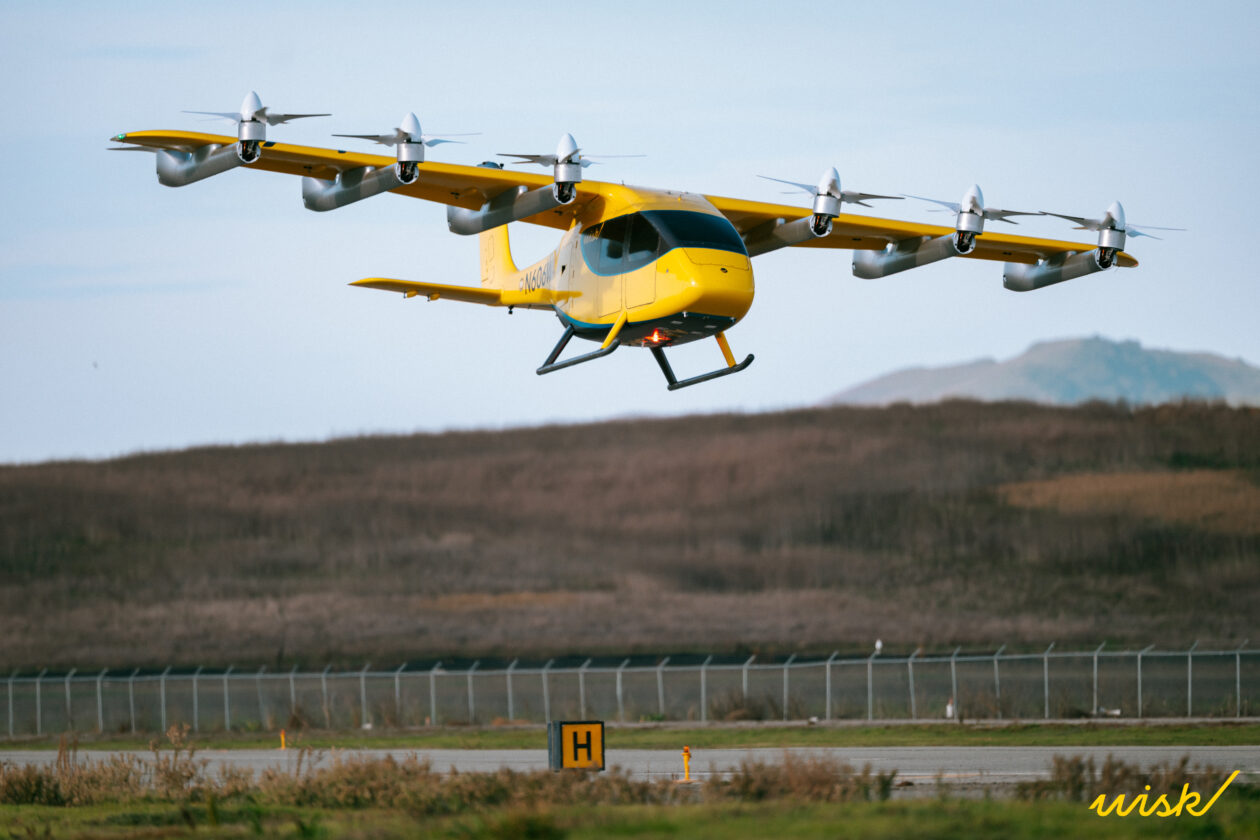
Wisk Aero, based in Mountain View, California, was formed in 2019 as a joint venture between Boeing and Kitty Hawk Corp. The company raised $450 million from Boeing in 2022 and has since developed autonomous electric aircraft. Wisk has designed, built and flown six generations of its eVTOL air taxi systems and conducted more than 1,700 flight tests, with the company completing the first flight of its Generation 6 autonomous, all-electric eVTOL last year. SkyGrid, based in Austin, Texas, provides software for managing automated airspace and coordinating aircraft integration. Archer plans to combine these capabilities with its own artificial intelligence platform, ZEE, which the company describes as a foundation model for aerospace and defense applications.
The deal also restructures Boeing's relationship with these technologies. As part of the transaction, Boeing will take a stake in Archer and enter into a collaboration and technology-sharing agreement. Boeing will receive class A shares in Archer worth approximately 19.75%. After the transaction closes, Boeing's shares will amount to a roughly 16.5% ownership stake in Archer. Boeing will also retain access to Wisk's core autonomous flight technology for use in its current and future commercial and defense aircraft. Brian Yutko, Boeing's vice president of Commercial Airplanes Product Development, said the deal "allows Wisk, SkyGrid and Insitu to accelerate capability development and time to market while ensuring Boeing capitalizes on its investments in these technologies over the past two decades through continued development in our core businesses." Archer founder and CEO Adam Goldstein called it "a watershed moment for Archer and the future of physical AI in aerospace and defense," describing the transaction as "the next big step forward in becoming a diversified platform, rapidly growing our revenue base and bringing scale to our business." Archer shares soared more than 7 percent in Monday trading following the announcement.
The acquisition marks Archer's pivot from a focused electric air-taxi developer into a diversified aerospace and defense platform. Archer has been building its Midnight electric air taxi for urban mobility, but the three Boeing subsidiaries dramatically expand its scope: Wisk brings six generations of proven autonomous eVTOL design and over 1,700 flight tests; SkyGrid adds the software layer needed to integrate autonomous vehicles into existing airspace; and Insitu contributes deep defense expertise and an established customer base across 35 countries. The fact that these three units collectively operate across 35 countries with nearly two million flight hours underscores the scale Archer is acquiring.
Boeing's role in the deal reveals a strategic recalibration. Rather than developing these technologies in-house, Boeing is betting that Archer—with its AI platform (ZEE) and electric-aircraft focus—can move faster and reach deeper into aerospace and defense applications. Boeing retains a financial stake (roughly 16.5% ownership) and continued access to Wisk's autonomous technology, hedging its exposure while offloading the operational burden. For Archer founder and CEO Adam Goldstein, the deal represents the moment the company becomes what he called a "diversified platform," shifting from a single-product electric air taxi to a portfolio spanning unmanned systems, autonomous flight, and airspace software.
AI-summarized, only the topics you pick — one digest a day via Email, Slack, or Discord.
Free · takes 30 seconds · unsubscribe anytime
Ask AI anything about this article. Q&As are published on this page for other readers too.
Major Wall Street firms have partnered with Nvidia on a $500bn financing deal to support AI infrastructure dev…

PayPal surged over 32% in July after Stripe and Advent International offered to acquire it for approximately $…

Chevron has agreed to a 20-year partnership called Project Kilby with Microsoft to supply natural gas-fired po…

Amazon is building a natural-gas power plant in Pecos County, Texas to power a large AI data center

Intel announced a $15 billion stock offering to finance its artificial intelligence chip development and manuf…

Novo Nordisk and Amazon have signed a partnership agreement focused on AI-driven drug discovery and announced…

The AI news that matters, in one minute each morning.
Sign up free