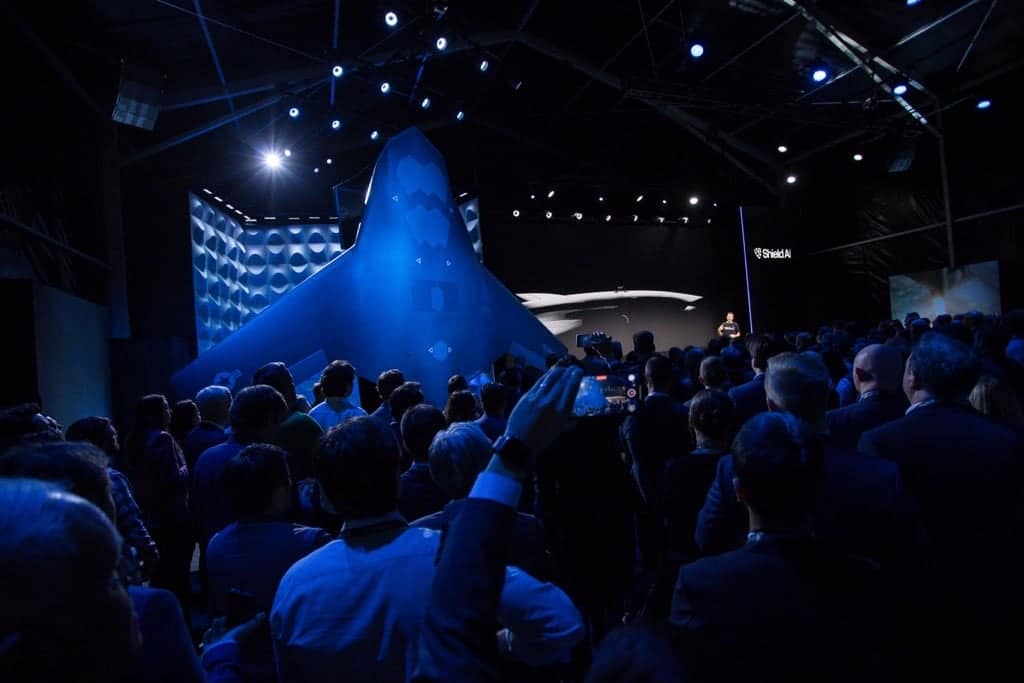
What happened
The U.S. Navy's Rapid Capabilities Office and Defense Innovation Unit awarded Shield AI roughly $50 million around 19 August 2026 to develop X-BAT, an AI-piloted fighter drone that launches and lands vertically without a runway. The aircraft is powered by a General Electric F110-class engine (used in F-16s), claims a range of 2,000+ nautical miles and a ceiling above 50,000 feet, and is promised to fly before the end of 2026. The Air Force declined to fund the project, citing its existing Collaborative Combat Aircraft program and budget constraints.
Why it matters
The Navy sees vertical-launch capability as a force multiplier for ships that lack dedicated aircraft carriers. Under the RIMES (Runway Independent Maritime Expeditionary Strike) program, destroyers and amphibious vessels could launch strike aircraft from their existing supply chains, spreading airpower across more of the fleet. The Air Force's skepticism reflects real engineering risk—vertical landing on a moving ship in wind is unproven, mission-level autonomy is harder than marketed, and the service is already committed to runway-dependent aircraft further along in development.
What to watch
First flight is promised before the end of 2026. X-BAT's autonomy software, Hivemind, has already flown a modified F-16 in a dogfight against a human pilot during a 2024 DARPA trial, so the brain is proven; the tail-standing landing and carrier recovery remain the open question. Shield AI targets a price around $27 million per unit.
Summaries like this, in your inbox every morning.
The Navy-Air Force split on X-BAT reveals two competing visions of autonomy and risk in defense acquisition. The Navy, operationally hungry for distributed airpower across its surface fleet, sees vertical launch as a genuine capability gap—a way to multiply strike reach without building more aircraft carriers. The award under RIMES makes strategic sense: if a destroyer can launch its own strike aircraft without needing a two-mile runway or catapult, the fleet becomes less dependent on a handful of carrier battle groups. Shield AI's Hivemind software has earned credibility by flying a real dogfight in 2024, so the autonomy piece is not theoretical.
The Air Force's caution is equally rational. It is already deep in two expensive modernization programs (the F-35 and the Collaborative Combat Aircraft line), plus strategic commitments to the B-21 and KC-46. More critically, the physics of vertical landing at scale—especially on a pitching deck in wind—remains undemonstrated. A price target of $27 million on an unflown aircraft is a hope, not a contract commitment. The service's choice to let the Navy fund the experiment and buy off the shelf later if it works is a credible hedge against both technical failure and budget hemorrhage.
If X-BAT sticks a reliable vertical landing before the end of 2026, the Air Force may later regret sitting out. If it crashes or proves operationally brittle, the Navy will have borne the cost of the science. Either outcome rewrites the terms of carrier-free airpower.
Pick your industry and the AI tools you use, and get news related to your work every day.
Free · 30 seconds with Google · unsubscribe anytimeWhat is AIToday? →
Ask AI anything about this article. The AI reads this article, earlier AIToday articles, and Wikipedia, and cites its sources. Q&As are published on this page for other readers too.
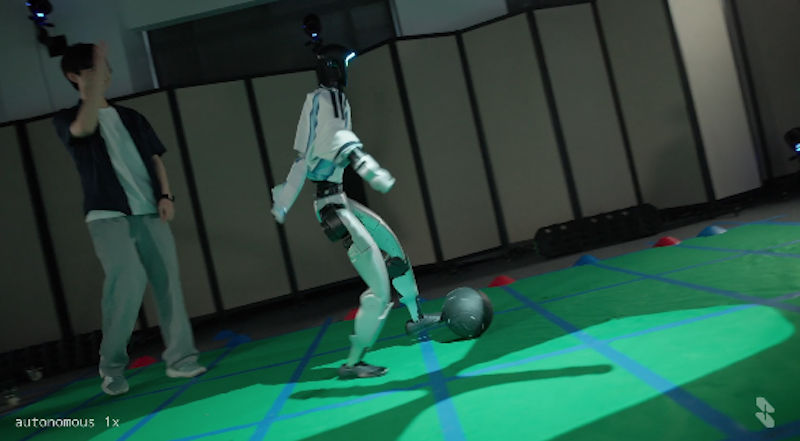
Skild AI used Nvidia Isaac Sim to give its S1 model one objective — score a goal — and let it compete against…
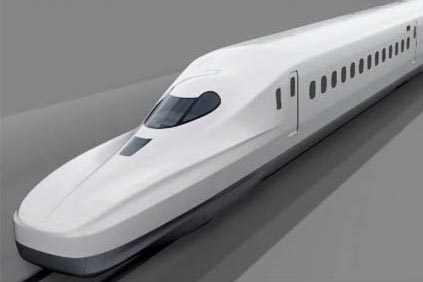
JR Central announced the S0系 on October 16, its first full model change since the N700S, with commercial servi…
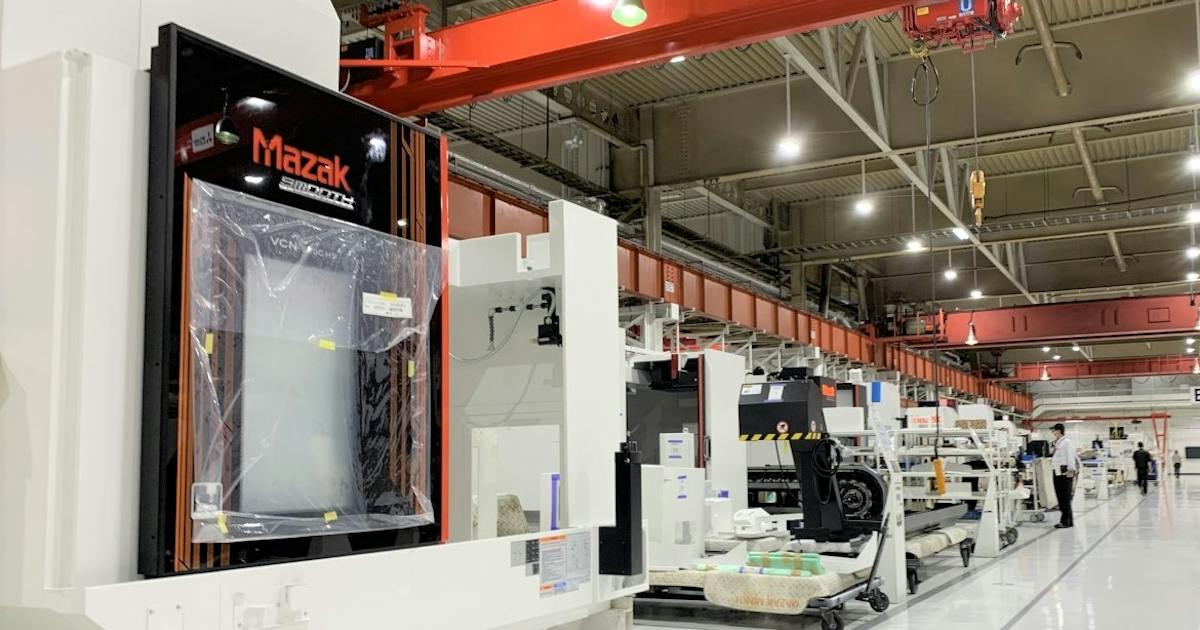
Yamazaki Mazak and ABEJA said on the 16th they will start joint development of physical AI, using ABEJA's ABEJ…
Wells Fargo hired an AI executive based in San Francisco, a move The Business Journals describes as part of em…

Amazon launched two Bee "personal AI" devices on Thursday: the $74.99 Bee Frontier wristband and the $99.99 Be…

Apple released MLX today, which runs the 816B-parameter Muse Spark Open on four Mac Studios at over 36 tokens…