What happened
Palo Alto Networks launched Cortex XCOR, an AI-native observability platform. Its AI SRE agent autonomously reasons through incidents, recommending actions in under three minutes on average, with a 75% success rate of root cause analysis.
Why it matters
The platform automates root-cause analysis that previously required manual work, cutting the time to understand a production incident from roughly 20 minutes to under three minutes on average.
What to watch
The 75% success rate and under-three-minute average are vendor-reported, so the test is whether the platform sustains those results across customer environments. A further 19% of incidents were deemed useful but not classified as successful root cause analysis.
WHO IT HITSSite reliability engineers (SREs) and operations teams who currently triage incidents manually are the directly affected group, since the platform automates root-cause analysis and mitigation recommendations.
Summaries like this, in your inbox every morning.
Martin Mao spent more than a decade working on observability, from internal monitoring for EC2 at AWS to the observability platform for Uber, and co-founded Chronosphere with Rob Skillington to manage cloud-scale telemetry costs. That cost-management foundation remains a pillar of XCOR, which the company says optimises customer data by an average of 89% without sacrificing visibility, and whose customers include OpenAI, DoorDash and Compass. Mao argues the turning point came in late 2025 with frontier models such as OpenAI's GPT-5 and Anthropic's Claude Sonnet and Opus, whose reasoning capabilities advanced enough for agents to act as autonomous experts rather than assistants.
The launch is also a response to a surge in AI-generated code. Mao cites research showing 42% of developers now report that AI writes at least half their code, up from 12% last year, and argues that rapid releases expand the surface area for production failures and increase the burden on SREs. XCOR is designed to match that velocity by combining the XCOR Operator, specialised agents, and the XCOR Fabric, which grounds agents in a Knowledge Graph, Operational Memory, User Behavior and Human Knowledge.
The stakes hinge on whether the reported performance holds up outside the environments where it was measured. The 75% success rate and under-three-minute average are the figures the platform will be judged against, and the further 19% of incidents flagged as useful but not successful suggests a meaningful share of investigations still require human judgement. For operations teams evaluating the platform, the deciding factor is likely to be whether automated root-cause analysis reliably reduces the manual triage that consumes senior engineers' time.
Pick your industry and the AI tools you use, and get news related to your work every day.
Free · 30 seconds with Google · unsubscribe anytimeWhat is AIToday? →
Ask AI anything about this article. The AI reads this article, earlier AIToday articles, and Wikipedia, and cites its sources. Q&As are published on this page for other readers too.
BlackRock's research paper "The Machine-Native Economy," co-written by digital assets head Robert Mitchnick, a…

ServiceNow trades on roughly 80.4x earnings, above the Software industry average near 29.7x and a peer group c…

John Deere announced JD, an AI assistant embedded in its Operations Center, at a press event at Iowa State Uni…

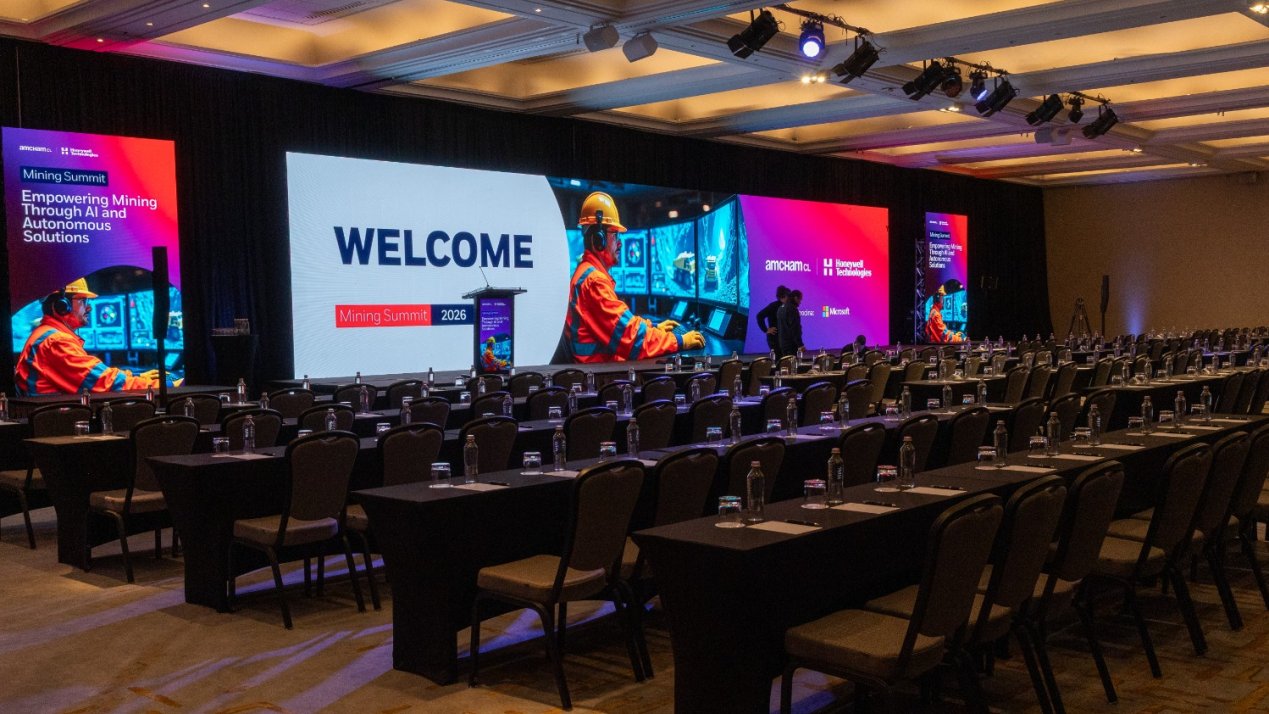
At a Sept. 24 Santiago summit organized by AmCham Chile and Honeywell, Honeywell's José Simón proposed expandi…
Salesforce trades at a 14.4x forward P/E versus Palantir's 85.5x, and Agentforce annual recurring revenue pass…

CrowdStrike Holdings has listed its Falcon cybersecurity platform in the OpenAI Marketplace for enterprise buy…