
What happened
A game client engineer describes using Claude Code (Max plan) so AI drafts, reviews, implements and tests from a written implementation plan, while the person only approves the plan and reviews code.
Why it matters
Because the plan is a Markdown file that an AI with no memory of the conversation can read, unwritten assumptions surface, and lighter models can still produce quality code — so people focus on decisions.
Summaries like this, every morning.
The author starts from a simple line: AI handles the work, humans make the judgments. What counts as a judgment is anything whose standard exists only in a person's head — whether a game is fun, how it feels, or which design option to pick when answers diverge. Everything else, even tasks that look like judgment but have clear criteria, can be delegated as work. To keep that line from blurring, decisions are collected into an implementation plan written as Markdown and stored in the repository. The reasoning is that if decisions stay in a person's head or in conversation, the next AI cannot read them, and code quality will vary with that conversation. The author also draws on Google's open-source Elephant-Goldfish Model plugin, which splits design roles so that a 'Goldfish' with no conversation history reviews the design document and surfaces what is unwritten. In practice, the author adapted it: instead of approving section by section, decisions and open questions are gathered at the top of the plan, and the review perspectives are narrowed to three. The implementation plan is built in order from the parts other parts depend on — for a solo project with both server and client, that means master data structure, domain layer, server, then client. When the plan reveals a gap in the original specs or design, the AI does not silently fix it but asks the person, because a quiet change would amount to an implicit spec or design change. The author also describes token-saving measures, such as using a stronger model for planning and a lighter one for implementation, and splitting the plan into separate files. The overall takeaway the author reports is that with this foundation in place, even a lighter model can write high-quality code, and people can concentrate on judging.
Pick your industry and the AI tools you use, and get news related to your work every day.
Free · 30 seconds with Google · unsubscribe anytimeWhat is AIToday? →
Ask AI anything about this article. The AI reads this article, earlier AIToday articles, and Wikipedia, and cites its sources. Q&As are published on this page for other readers too.
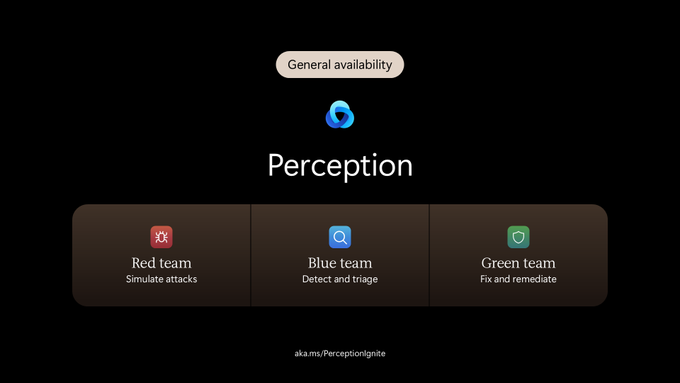
At Microsoft Ignite 2026, Microsoft said Microsoft Perception is now generally available, combining red, blue…
At Microsoft Ignite 2026, Microsoft released a public preview of Windows Server 2028, which adds AI inference…
AUMOVIO chose Databricks Unity Gateway as its single route to LLMs after a cross-functional taskforce picked o…

CADMAGEDDON scores 0.991 on BenchCAD's 64³ voxel IoU over a 1000-part subset, above vendor-reported 0.963, 0.9…

MIT Technology Review's AI Hype Index describes AI spreading everywhere, citing Google's AI Overviews costing…

In an interview after winning the $1 million Berggruen Prize, philosopher Thomas Nagel said it is 'ridiculous'…