
What happened
OpenAI has published, for the first time, country-by-country data on how people around the world use ChatGPT. The data covers messages sent within ChatGPT Free, Go, Plus, and Pro accounts.
Why it matters
At work, people are more than twice as likely to use ChatGPT to complete a task or create something than outside work, showing AI is shifting from answering questions to getting things done. Adoption is becoming more global, with countries in Latin America, Africa, and Oceania closing the gap with early adopters.
What to watch
The data shows multimedia is the fastest-growing use case, at 7.8% of messages globally, and usage among people over 35 is rising in nearly every country. The trend suggests AI is moving beyond early adopters and text-only interactions, which could reshape how businesses and policymakers view AI adoption.
Summaries like this, in your inbox every morning.
OpenAI's Signals data provides a first systematic look at how ChatGPT is used across countries, revealing a clear shift from asking questions to performing tasks. This is particularly notable in professional settings, where users are more than twice as likely to use the tool to complete work. The data also points to a closing adoption gap, with countries like Peru, Uruguay, and Costa Rica climbing the rankings, and growth among older users in many nations.
The rise of multimedia as a use case, at 7.8% of messages globally, suggests that newer capabilities are driving engagement. The disclosure that the data reflects individual-managed accounts (Free, Go, Plus, Pro) and that age analysis is based on self-reported data adds context to the findings.
The stakes of these trends may be significant for businesses and policymakers. As ChatGPT becomes more embedded in work tasks in more countries, its role as a productivity tool could grow in regions that are catching up. However, the long-term impact will likely hinge on whether current adoption patterns persist and whether multimedia and task-oriented uses continue to grow at the same pace.
For example, today's edition would include:
AI-summarized, only the topics you pick: one digest a day via Email, LINE, or Slack.
Free · 30 seconds with Google · unsubscribe anytimeWhat is AIToday? →
Ask AI anything about this article. The AI reads this article, earlier AIToday articles, and Wikipedia, and cites its sources. Q&As are published on this page for other readers too.
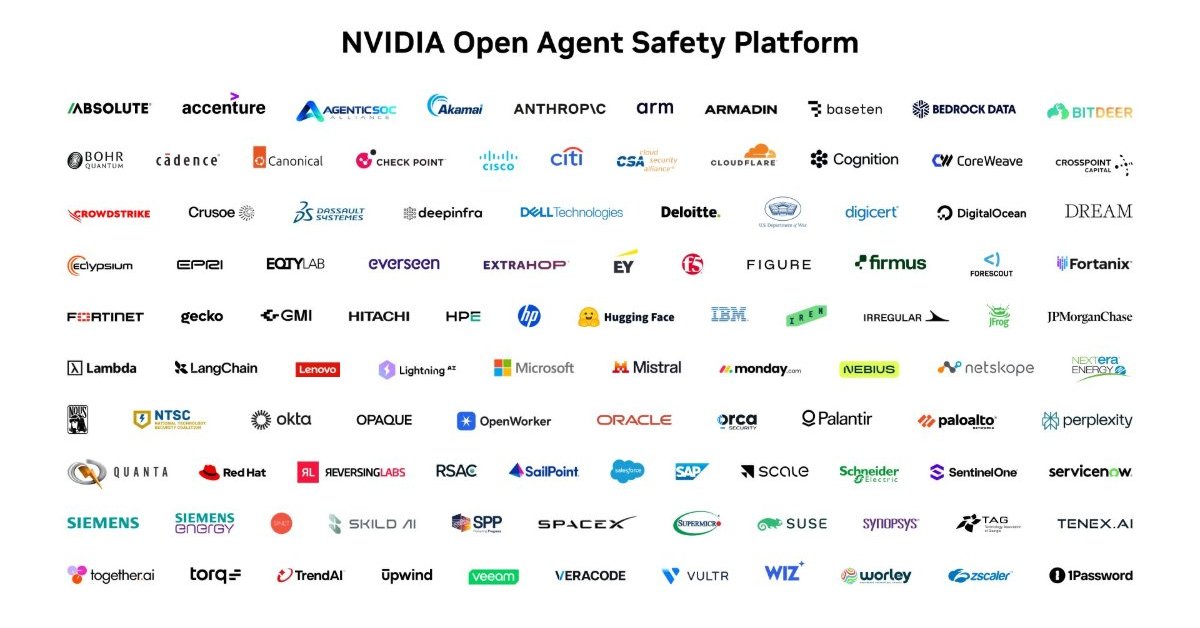
On September 28, Nvidia announced the NVIDIA Open Agent Safety Platform, built from the open-source OpenShell…
Anthropic released Claude Sonnet 5.5 on September 28, the second model in its Claude 5.5 family, calling it fa…
Dentsu Group embedded generative AI in its accounting approval process and says it reached 99% accuracy on the…

Nvidia launched a platform Monday that it says can monitor AI agents and quarantine suspicious ones, following…
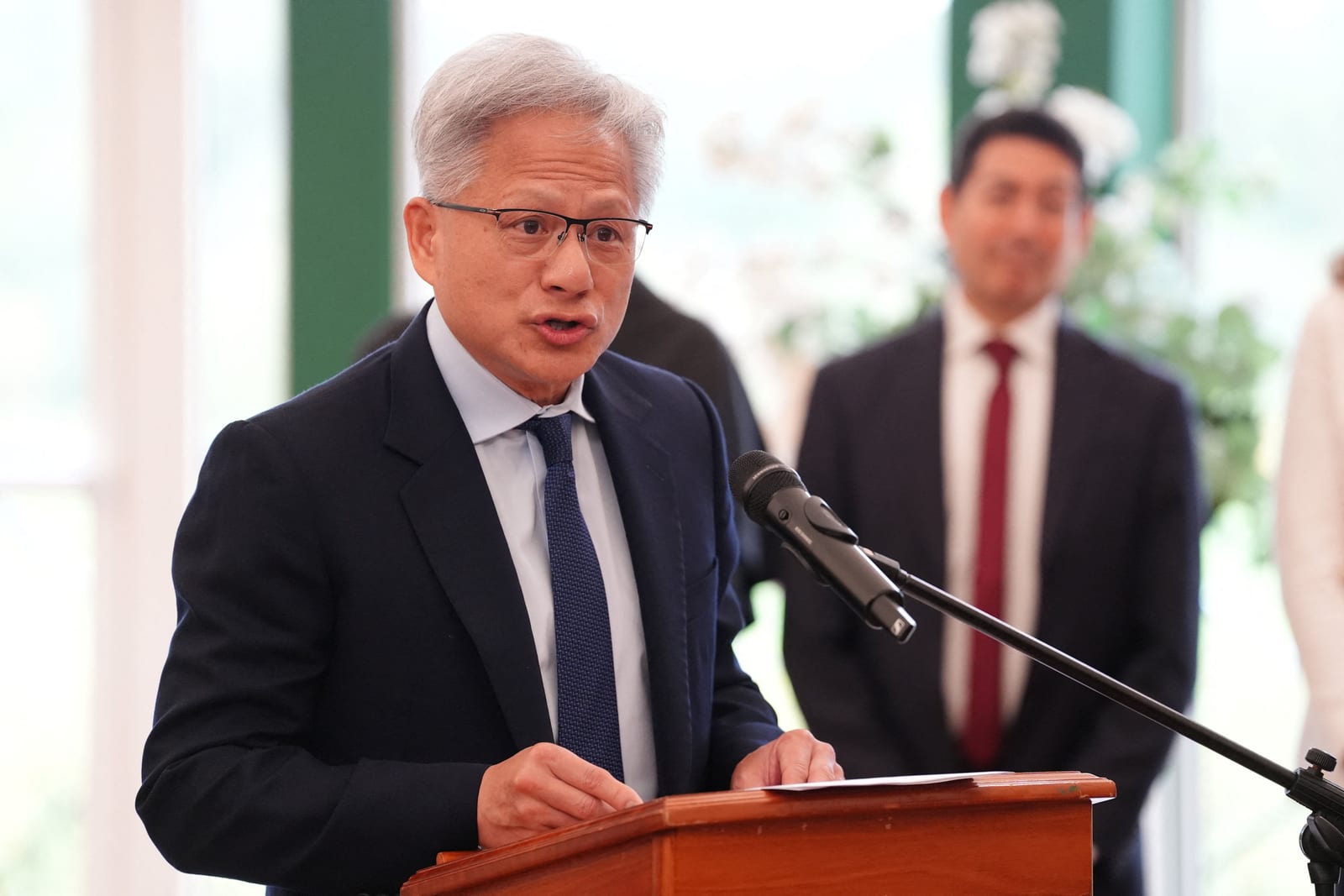
Nvidia announced a record $150 billion stock buyback, and CEO Jensen Huang said its cash generation gives it t…
A September 2026 guide organizes AI coding tools into three types — terminal/agent tools like Claude Code, AI-…


