Airbnb's stock rose Thursday after the company reported second-quarter revenue of $3.6 billion, up 17% year over year, with CEO Brian Chesky crediting AI-native rebuilding for faster feature rollout and improved host and guest experiences.
Free cash flow jumped 30% to $1.25 billion, giving the company firepower to pursue acquisitions in hotels, car rentals, and grocery deliveries as it expands beyond short-term rentals.
What happened
Airbnb shares rose on Thursday following a strong second-quarter report showing revenue up 17% year over year to $3.6 billion, nights and seats booked up 10% to 148.3 million, and gross booking value up 16% to $27.2 billion. CEO Brian Chesky attributed growth partly to AI, saying the company has rebuilt itself to be AI-native, and free cash flow surged 30% to $1.25 billion.
Why it matters
The strong cash position and AI-driven efficiency in listing and search capabilities are positioning Airbnb to expand beyond short-term rentals into hotels, car rentals, and grocery deliveries—categories where the company sees potential acquisition targets. This diversification could open new revenue streams for a platform historically tied to vacation homes.
What to watch
Chesky signaled during an analyst call that acquisition opportunities are plentiful, with entrepreneurs keen to join Airbnb and hold its stock. The company's ability to execute on these expansion categories—and integrate acquisitions effectively—will determine whether the current growth trajectory can sustain.
Airbnb's stock climbed Thursday as investors digested the company's strong second-quarter earnings and forward strategy. The vacation rental platform reported revenue of $3.6 billion, a 17% increase year over year, driven in part by elevated travel demand surrounding the FIFA World Cup. The growth extended across key metrics: nights and seats booked rose 10% to 148.3 million, and gross booking value—the total value of all bookings before Airbnb's cut—reached $27.2 billion, up 16%.
CEO Brian Chesky attributed a substantial portion of the outperformance to artificial intelligence. In his letter to shareholders, Chesky stated: "We've rebuilt Airbnb from the ground up to be an AI-native company, and it's showing up in our results." He noted that AI is streamlining the host property-listing process and improving guest search and discovery, while also enabling the company to develop and ship new features more rapidly than before.
The financial strength was underscored by a 30% surge in free cash flow to $1.25 billion—a rate of increase that outpaced revenue growth, suggesting improving unit economics or capital efficiency. That cash cushion is giving Airbnb scope to pursue expansion into categories beyond short-term house rentals. The company is now moving into hotel stays, car rentals, grocery deliveries, and other services. During a conference call with analysts, Chesky signaled aggressive appetite for acquisitions within these categories, stating that "entrepreneurs would love to be part of Airbnb and to hold stock," and that "there's a huge number of opportunities for us." This suggests the company sees a rich deal pipeline and perceives target companies as motivated to join the platform.
Airbnb's Q2 performance reflects both near-term strength and a strategic pivot enabled by its financial position. The 17% revenue increase and 10% growth in bookings suggest resilient travel demand, though the company attributed a meaningful share of gains to the FIFA World Cup, indicating some boost was event-driven. What stands out is the 30% surge in free cash flow to $1.25 billion—a faster pace than revenue growth—suggesting margin improvement or working-capital efficiency.
Chesky's framing of AI as central to this performance is notable: he claims the company rebuilt itself as AI-native, and pointed to faster feature rollout and better matching between hosts and guests. While the body does not quantify the AI contribution to the Q2 numbers, the CEO's emphasis signals this is a core narrative for investor confidence. The cash generation muscle now gives Airbnb optionality to move beyond its core vacation-rental business into hotels, car rentals, and grocery delivery—categories where acquisitions could accelerate entry. Chesky's comment that entrepreneurs are eager to join Airbnb suggests the company sees acquisition targets as willing sellers, which may reduce integration friction.
AI-summarized, only the topics you pick — one digest a day via Email, Slack, or Discord.
Free · takes 30 seconds · unsubscribe anytime
Ask AI anything about this article. Q&As are published on this page for other readers too.
DeepSeek, a Chinese AI startup, has officially launched V4 Pro with enhanced agent capabilities while signific…
SMIC is considering breaking out revenue from AI-related peripheral chips as a standalone line item in its fin…

Alibaba Cloud has begun commercial service for its Zhenwu M890 supernode in Ulanqab, Inner Mongolia, offering…

Michael Burry criticized Nvidia's memorandum of understanding with six major asset managers—Apollo Global Mana…
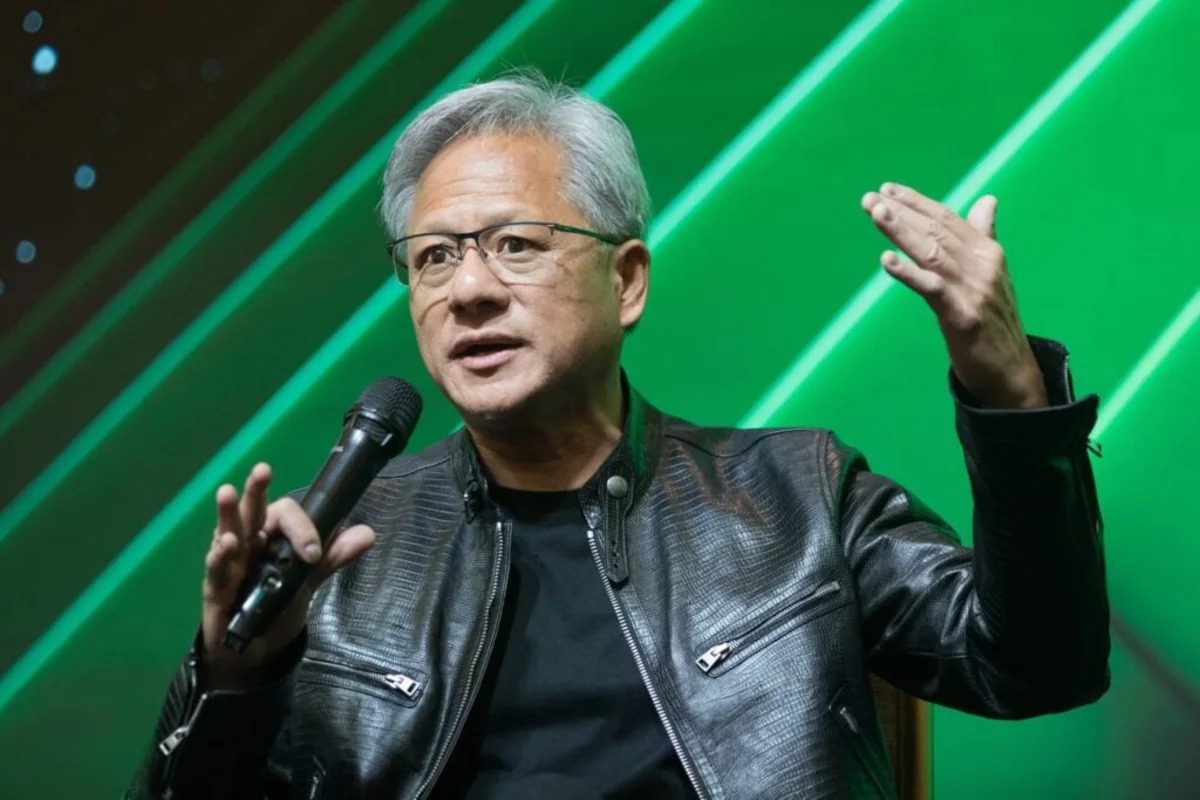
Nvidia CEO Jensen Huang is partnering with major Wall Street firms — Goldman Sachs, BlackRock, Blackstone, KKR…
Cisco posted record fiscal 2026 revenue of $63.3 billion (up 12% year-over-year) and guided fiscal 2027 revenu…

The AI news that matters, in one minute each morning.
Sign up free