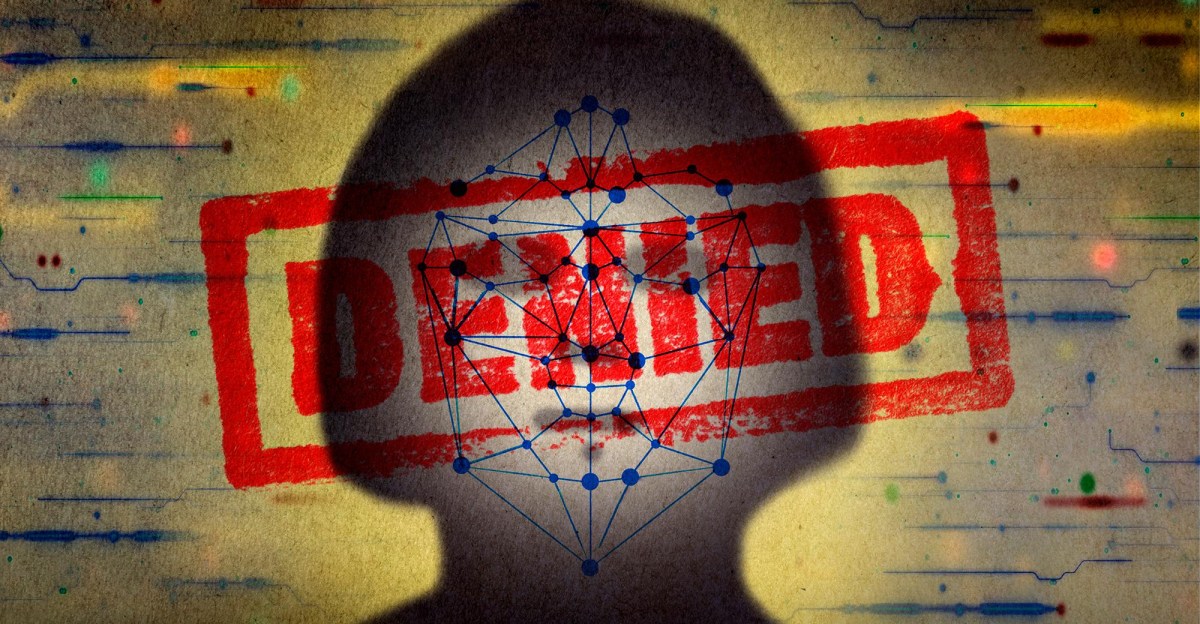
What happened
UnitedHealth Group faces a class-action lawsuit alleging its nH Predict AI algorithm led to wrongful denials of nursing-home care; Humana and Cigna face similar suits.
Why it matters
The complaints suggest AI may be making or heavily influencing coverage decisions legally required to be made by human doctors, raising concerns about patient harm.
What to watch
How these lawsuits are resolved and whether Congress or states pass rules like the Protecting Patients from Automated Denials Act to govern AI in insurance claims.
WHO IT HITSThis affects elderly Americans on Medicare and Medicare Advantage who rely on nursing-home and rehab coverage, as well as the doctors and family members appealing denials on their behalf. It also lands on state and federal lawmakers now weighing how to regulate AI in insurance decisions.
Summaries like this, in your inbox every morning.
The current wave of alarm about artificial intelligence has focused heavily on speculative, existential risks. Meanwhile, a quieter and more concrete set of harms has been playing out in the American health insurance system. For years, insurers have used algorithms — plugging in someone's age, weight, and smoking status to estimate future care needs. What has changed, according to University of Minnesota law professor Daniel Schwarcz, is that newer AI programs can make very specific predictions about a person's future health, and those predictions are being used in the process of approving or denying medical claims. Exactly what goes into those predictions, and whether the human or the AI holds final authority, is often opaque from the outside. That ambiguity is at the heart of the litigation against UnitedHealth, Humana, and Cigna, and of the federal government's own AI experiment.
In one case described in the lawsuit, an elderly man named Gene Lokken fell at home, was treated for a broken leg and ankle, and improved enough to begin physical therapy. Around July 20, UnitedHealth denied further nursing-facility services, saying they were not medically necessary. His family appealed and continued paying between $12,000 and $14,000 monthly to keep him there. He died in July 2023, having never left the facility. The complaint alleges that the denial was largely made by nH Predict, and that UnitedHealth employees were allegedly instructed not to deviate from its projections. UnitedHealth has responded that federal laws already require all claims decisions to be made by a human doctor, and raised technical objections. Similar allegations of denial-by-algorithm appear in the suits against Humana and Cigna, including one claim that Cigna's AI allowed doctors to deny claims in batches of hundreds or thousands at a time, allegedly evading the legally required individual physician review.
The outcome of these lawsuits, and of the federal WISeR pilot, hinges on a problem regulators have not solved: how to define what it means for a human to be meaningfully in the loop. As Schwarcz puts it, everyone agrees at a high level that AI should enhance human review and not replace it, but no one knows how to write rules that enforce it. Several states have begun requiring transparency for AI in insurance claims, and Congress has proposals requiring human involvement. But the technology is spreading quickly, and the profit incentive for companies to deploy it broadly is strong. For now, patients and their families may bear the burden of spotting when an algorithm is behind a denial and appealing until a human looks again — a process made harder by the added layer of confusion AI introduces.
Pick your industry and the AI tools you use, and get news related to your work every day.
Free · 30 seconds with Google · unsubscribe anytimeWhat is AIToday? →
Ask AI anything about this article. The AI reads this article, earlier AIToday articles, and Wikipedia, and cites its sources. Q&As are published on this page for other readers too.
Taiwan is considering much stricter export controls on AI chip sales to China, part of a greater alignment wit…

Nichiren announced its generative AI voice usage guideline on October 15, built on three pillars: prior notice…

At the Most Powerful Women Summit, Marissa Mayer said anyone who claims to know how AI will play out is 'eithe…
SHIFT announced it began a project for the Acquisition, Technology & Logistics Agency (防衛装備庁) covering AI-rela…

After its first meeting Thursday, the White House AI task force formally adopted its charter, opening a 120-da…
Anthropic announced a revised Claude usage policy on October 8, 2026 that applies from November 12, 2026, rewr…


