
What happened
Charm Care Corporation, which runs more than 100 private nursing homes in the Kansai and Greater Tokyo areas, will invest ¥300 million (approximately $2 million) in donut robotics via newly issued shares, after trialing the "cinnamon" humanoid at a Charm Care nursing home since July 2026.
Why it matters
The alliance gives donut robotics real-world care settings to develop cinnamon, potentially moving it beyond patrol functions to assisting staff with nurse calls, which the companies envisage could reduce the workload on care staff.
What to watch
The expanded nurse-call role is still a plan, not an established capability, and donut robotics says there is only little that cinnamon can do now; watch whether the robot's gesture-control patent application and Vision-Language-Action AI translate into practical care support.
WHO IT HITSEldercare operators facing persistent recruitment difficulties, and their care staff, may see humanoid robots take on routine tasks such as responding to nurse calls, though the trial is still at an early stage.
Summaries like this, in your inbox every morning.
The partnership builds on an existing trial: donut robotics' "cinnamon" humanoid has been at a Charm Care nursing home since July 2026, initially handling patrol duties. The investment formalizes that relationship and aims to move the robot toward a more interactive role, helping staff respond to nurse calls. That matters because Japan's aging population is increasing demand for eldercare while the industry struggles to recruit enough workers.
donut robotics says cinnamon uses Vision-Language-Action AI to interpret its surroundings and language, and can learn movements from videos and motion-capture data. The company has also filed a patent application for gesture-control technology that would let users give instructions through gestures and finger movements rather than voice. Still, representative director Taisuke Ono acknowledges there is only little cinnamon can do now, expressing hope that it will move in almost unrecognizable ways in a few years.
Whether the alliance delivers on that ambition hinges on how well the robot's capabilities translate into real care settings, where physical AI faces many challenges according to Ono. If it works, the payoff would be support for eldercare residents and relief for care staff contending with persistent recruitment difficulties.
Pick your industry and the AI tools you use, and get news related to your work every day.
Free · 30 seconds with Google · unsubscribe anytimeWhat is AIToday? →
Ask AI anything about this article. The AI reads this article, earlier AIToday articles, and Wikipedia, and cites its sources. Q&As are published on this page for other readers too.
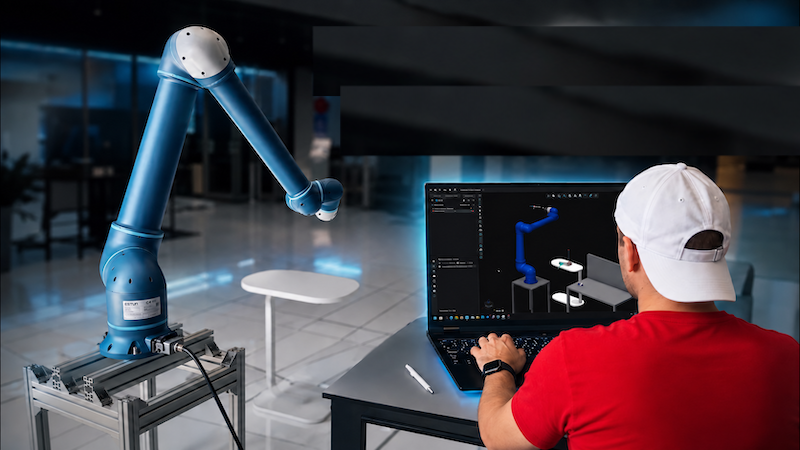
Ency Software and Estun began a technology partnership and completed integration work
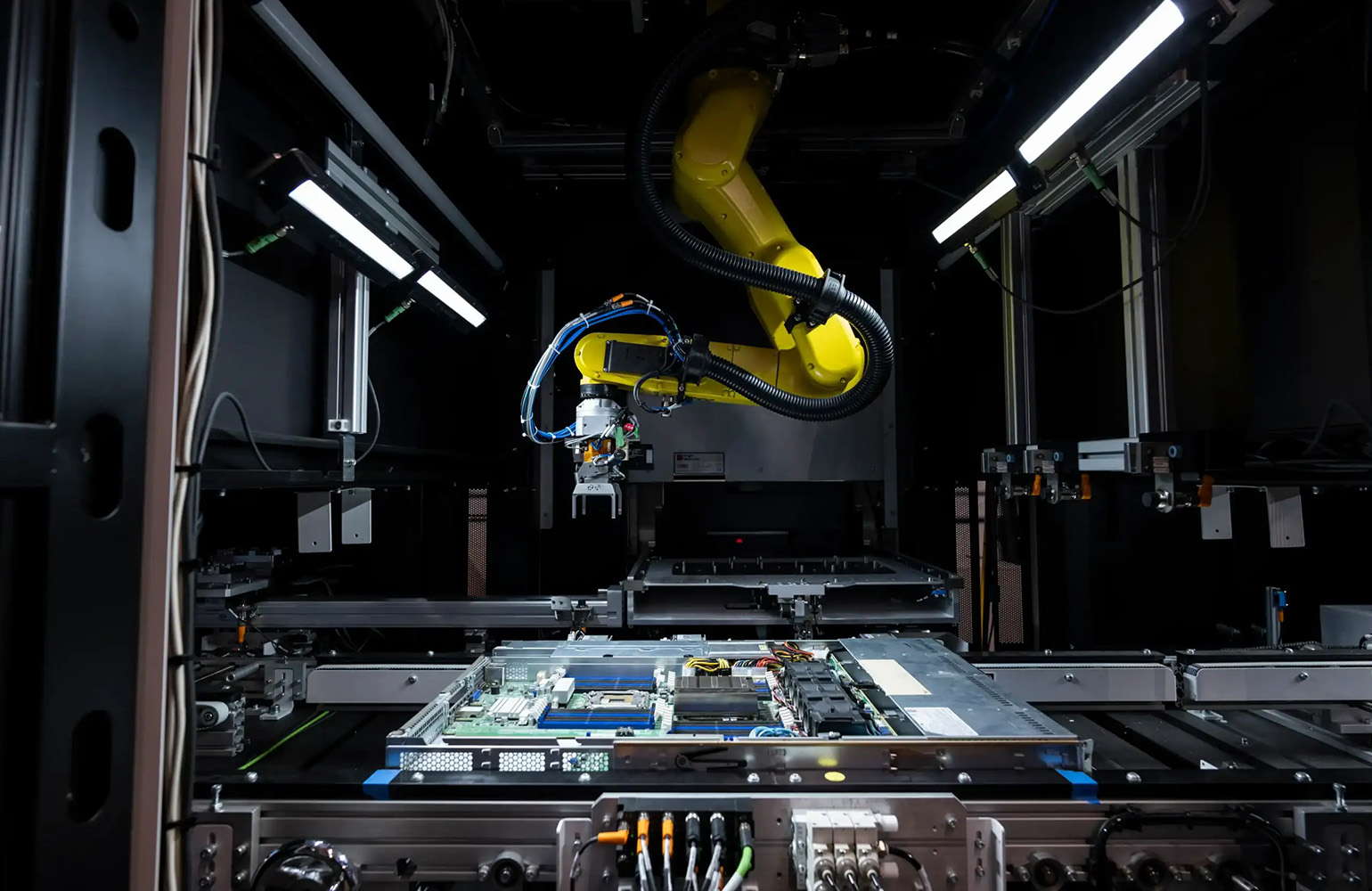
Teradyne announced a strategic investment in Bright Machines and a collaboration to integrate Teradyne robotic…
SafeWorld emerged from stealth with $12.2 million in seed funding co-led by Shine Capital and a16z Speedrun, a…
Reka AI released a research preview of Rho-1, a 19-billion-parameter omni-model that processes and generates t…

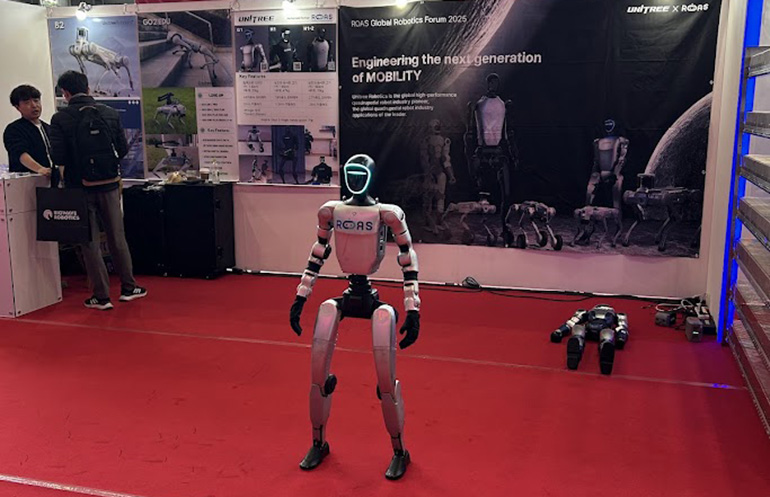
In July, the FCC added foreign-produced advanced robotic devices, including humanoids and quadrupeds, to a lis…
The FAA awarded $12 million for 19 projects through its UAS Broad Agency Announcement Program, covering detect…