What happened
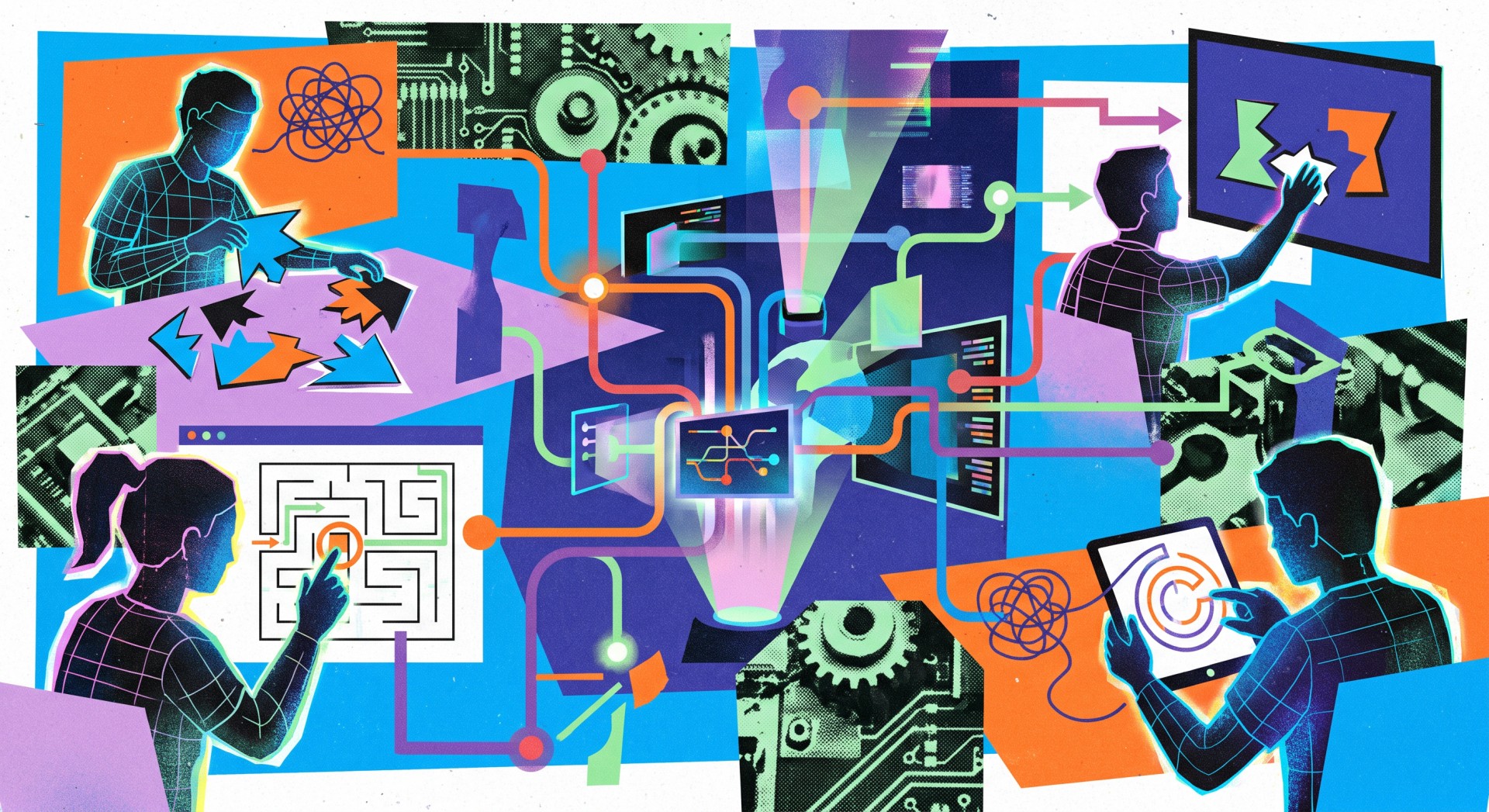
A team reproduced 30+ real AI runtime failures from GitHub issues and found that most were not model failures but rather contract mismatches between providers, tools, and application code. Based on this finding, they built StateGuard, a tool to address these integration issues.
Why it matters
Production AI systems fail more often due to how different components (cloud providers, software tools, and user code) interact than due to problems with the AI models themselves. This suggests builders need better tooling to catch and prevent these integration gaps, not just better models.
What to watch
The team is soliciting feedback from developers about runtime failures they encounter and whether StateGuard would be useful for their workflows. The project is open on GitHub (dood1ebyte/stateguard).
Summaries like this, in your inbox every morning.
The article highlights a gap between conventional assumptions about AI system reliability and what actually breaks in production. While much discussion in the AI space focuses on model quality, accuracy, and capability, this team's experience points to a different bottleneck: the integration layer between different software components. When an AI application relies on multiple providers, libraries, and custom code—each with its own API contracts and assumptions—misalignment between those interfaces becomes a major source of runtime failures. This finding suggests that as AI systems move from research into production, tooling that validates and enforces contracts across component boundaries may be as critical as improving the models themselves.
For example, today's edition would include:
AI-summarized, only the topics you pick — one digest a day via Email, Slack, or Discord.
Free · 30 seconds with Google · unsubscribe anytimeWhat is AIToday? →
Ask AI anything about this article. Q&As are published on this page for other readers too.
TypeSafe AI released Jev on September 15, its first model after roughly two years of development; founder Diog…
A prediction piece says Anthropic's IPO is expected to value it at $2 trillion, with Amazon holding an approxi…

On September 18, 2026, four paid subscribers filed Buist et al

OpenAI launched Astra, which reportedly uses "recurrent depth" to make reasoning more efficient by not spellin…
Anthropic is reportedly pushing its IPO from October to November 2026, with advisors saying it wants strong Q3…

Microsoft and the University of Illinois built StudentSim, which mimics real students from as few as three ess…