What happened
Anthropic's internal study shows junior new hires in technical departments fell from 27 percent to 9 percent since early 2025, with open junior roles at 6 percent; by August 2026, its AI agents logged six times as many work hours as humans.
Why it matters
Anthropic attributes the drop to its AI agents handling more complex work like coding and bug-finding, meaning entry-level technical roles may shrink as agent use expands—though the study notes Anthropic's AI-heavy profile limits how well this maps onto the broader economy.
WHO IT HITSEntry-level technical job seekers, especially in software engineering, face fewer openings at AI-heavy firms, while HR and talent teams at such companies may need to rethink junior hiring pipelines.
Summaries like this, in your inbox every morning.
Anthropic's internal study traces a sharp decline in junior technical hiring since early 2025, with open junior roles falling to 6 percent. The company points to its AI agents' growing capability as the driver, noting that junior hiring declined most in roles where Claude handles the most complex work. The study also reports productivity gains across departments, though it acknowledges that rapid business growth and voluntary AI adoption could be skewing the numbers. So far, the wider economy hasn't shown measurable productivity gains from AI.
Researcher Nolan Lovett of the NATO Special Operations University has described a "tragedy of the cognitive commons": when individual companies replace entry-level positions with AI, they gain efficiency while the costs fall on everyone who later needs experienced talent. Lovett argues the full impact won't appear until 2030 to 2045, since today's experts were trained 5 to 20 years ago. However, that prediction assumes humans still do this work—something Anthropic itself seems to doubt, having suggested programmers and call center workers may eventually need to move into roles like electrician or nurse.
Pick your industry and the AI tools you use, and get news related to your work every day.
Free · 30 seconds with Google · unsubscribe anytimeWhat is AIToday? →
Ask AI anything about this article. The AI reads this article, earlier AIToday articles, and Wikipedia, and cites its sources. Q&As are published on this page for other readers too.
Mastercard is testing a new intelligence layer in its Agent Pay Trust Framework in the United States that prod…

The iShares Semiconductor ETF, which holds leading AI chip suppliers, is in bear territory after declining mor…

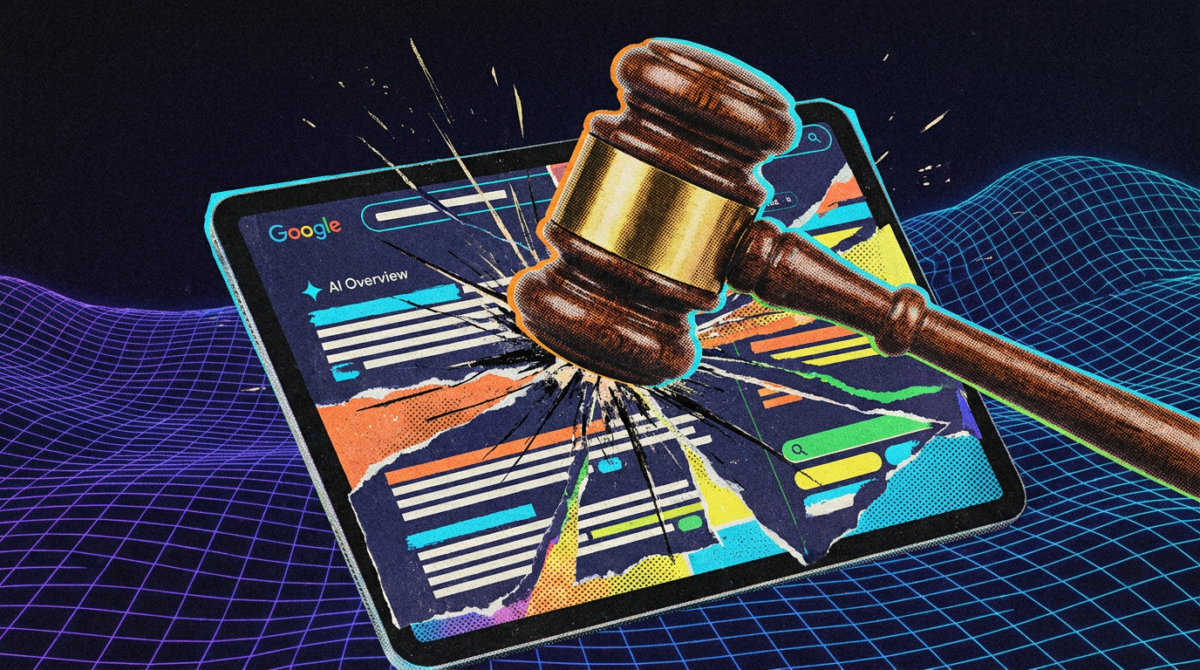
In a decision dated September 24, 2026, the Aachen Regional Court banned Google from spreading three false AI…
Three designs for turning encoded inputs into predictions: pooling all inputs into one shared vector, applying…

Across 24 counted runs of /code-review on a 41-line shopping-cart file with six planted bugs, --max-findings 1…

The tutorial, based on official Claude Code documentation and checked as of October 18, 2026, says failed fixe…

