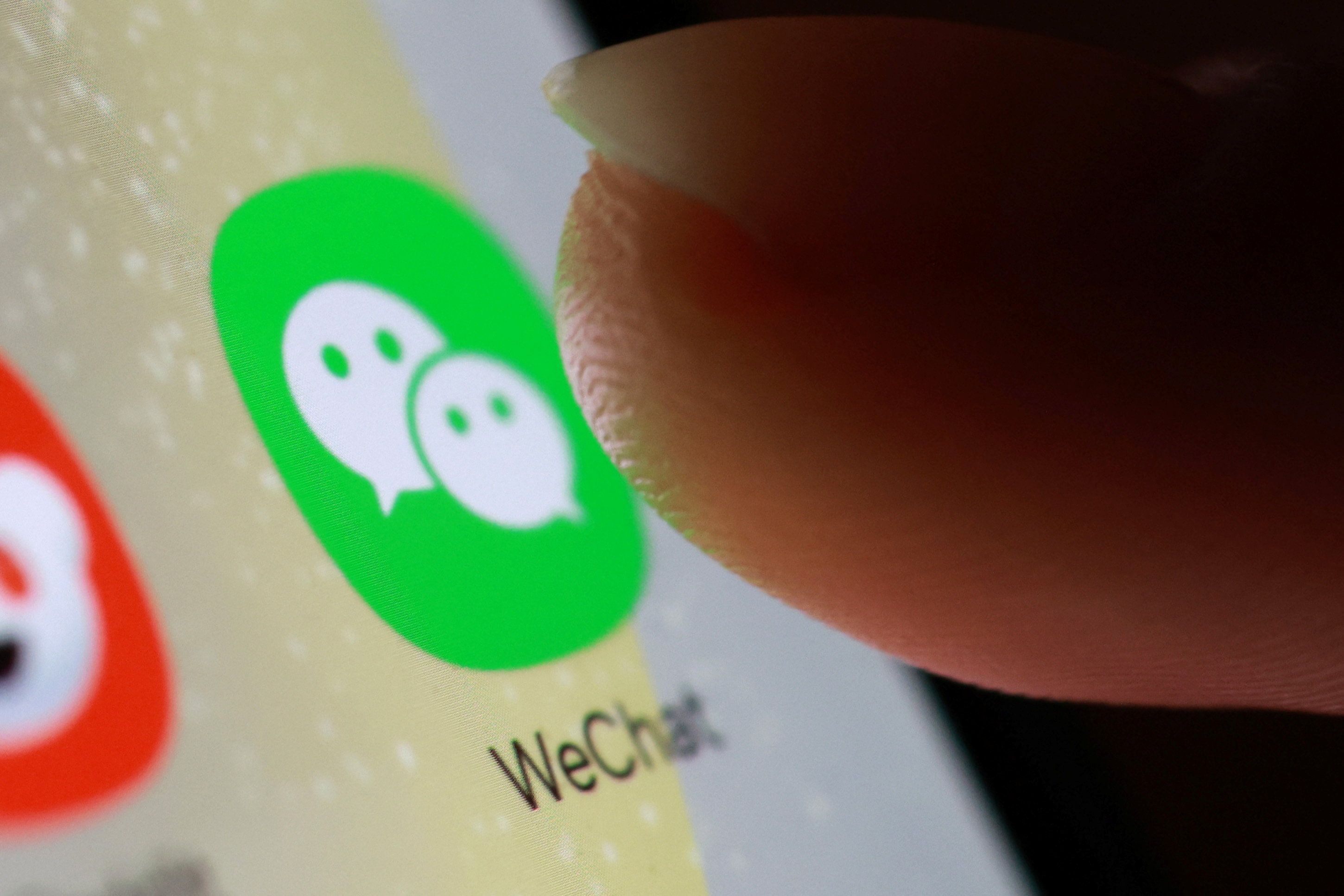
What happened
US startup Calif used AI models to find a worm that could hijack WeChat accounts and spread via contacts. Calif alerted Tencent, which fixed the issue, The New York Times reported.
Why it matters
The discovery shows AI can identify serious vulnerabilities in major apps. It follows a spate of high-profile AI-powered hacks, highlighting both the capabilities and risks of advanced AI tech.
What to watch
Whether this incident helps build trust for US-China AI safety talks reportedly planned for later this month. Experts said concerns about safety could offer a good starting point for those negotiations.
WHO IT HITSEnterprise and consumer users of WeChat are affected because the worm could have allowed account hijacking and automatic spread through contacts. Cybersecurity teams and AI developers also face heightened scrutiny as AI-powered attacks become more common.
Ask the AI about this article →
Summaries like this, in your inbox every morning.
The discovery by Calif, a US security startup, marks a notable instance of AI being used to uncover a critical vulnerability rather than to exploit one. The worm in question is especially dangerous because it could self-propagate through WeChat's contact network, potentially amplifying the impact far beyond a single user. That Tencent moved to fix the issue after being alerted shows how AI can also serve defensive purposes in cybersecurity.
This episode arrives amid a string of high-profile AI-powered hacks, underscoring the dual-use nature of the technology. The same models that can identify flaws can also be turned to malicious ends, which is why the international community is paying close attention. The fact that the vulnerability was in WeChat, a super-app central to daily life in China, raises the stakes for cross-border cooperation.
The reported US-China talks on AI, possibly later this month, may benefit from this example as a practical starting point for dialogue. Safety concerns, as experts note, could serve as common ground. However, whether governments can convert such incidents into meaningful agreements remains uncertain, given the broader geopolitical tensions between the two nations.
For example, today's edition would include:
AI-summarized, only the topics you pick — one digest a day via Email, Slack, or Discord.
Free · 30 seconds with Google · unsubscribe anytimeWhat is AIToday? →
Ask AI anything about this article. Q&As are published on this page for other readers too.
Meta Platforms Inc. announced Muse, a personal AI agent available in the U.S
ITmedia's analysis examines why individuals and enterprises use local LLMs, despite the hardware and electrici…

Nvidia reported earnings and guidance that smashed expectations, with shares up about 7%

SoftBank Group will meet investors in New York next week to assess demand for a potential U.S
OpenAI announced that its agents solved the Navier–Stokes existence and smoothness problem, one of the Millenn…

Cognition AI Inc. announced it raised more than $2 billion in late-stage funding at a $48 billion valuation, n…