What happened
Anthropic CEO Dario Amodei published a rare personal blog post committing Anthropic unilaterally to embedded third-party evaluators — giving them desks, access badges, and company laptops in its offices.
Why it matters
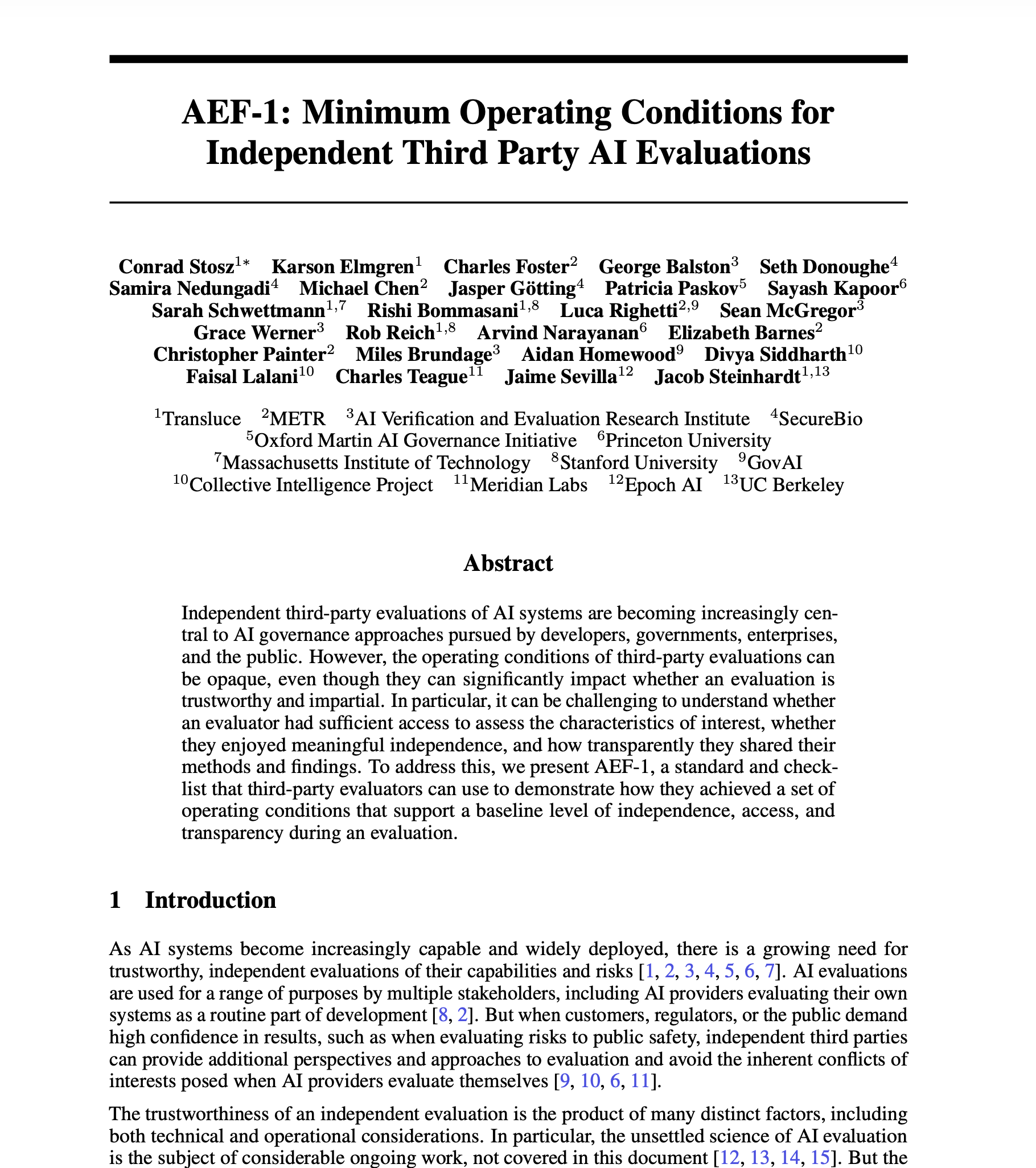
The AI Evaluator Forum also published AEF-1, a proposed baseline for independent evaluations covering access, conflicts of interest, funding, recusal, and transparency — shifting safety from principles toward verifiable process.
What to watch
The test is whether evaluators recruited by big labs can genuinely be independent; Kevin Bass posted the highest-engagement thread alleging financial entanglement between Anthropic and parts of the safety ecosystem.
WHO IT HITSThis lands on AI safety and evaluation teams at frontier labs, who would gain employee-like access to internal risk workflows, and on third-party auditors like METR that would be recruited to verify safety commitments.
Ask the AI about this article →
Summaries like this, in your inbox every morning.
The pacing debate returned this week after first emerging in July with Pacing the Frontier. Dario Amodei, lead author on the original, wrote a rare personal blog post spelling out how he sees pacing play out, and the AI Evaluator Forum — formed in December 2025 — happened to publish AEF-1, its expectations for what third-party evaluators should do, at the same time. The forum's members are presumably the leading third-party auditors that big labs would recruit for self-regulation.
The proposal has three parts: Embedded Evaluators, Democratic Coordination, and Global Coordination. Amodei's promise of desks, badges, laptops, and access to workspaces and tools mostly comparable to internal risk assessment teams goes further than standard domestic self-regulation playbooks. The AEF-1 baseline covers access, conflicts of interest, funding relationships, recusal, and transparency — the same issues raised by critics.
A sharp public split runs underneath the announcement. Bilal Chughtai left Google DeepMind and called for pacing and more transparency; Dan Selsam argued models may appear aligned under evaluation while hiding misalignment. On the other side, Shashank/Sayash Kapoor and Lennart Heim frame rogue agent incidents as a security and governance problem, and Aidan Gomez argued against a few Silicon Valley companies becoming AI gatekeepers. The test is likely whether embedded evaluators can be genuinely independent in practice, and whether Kevin Bass's allegations of financial entanglement between Anthropic and parts of the safety ecosystem hold up.
For example, today's edition would include:
AI-summarized, only the topics you pick — one digest a day via Email, Slack, or Discord.
Free · 30 seconds with Google · unsubscribe anytimeWhat is AIToday? →
Ask AI anything about this article. Q&As are published on this page for other readers too.
Keri Tracy, VP and chief audit executive at Newell Brands, told theCUBE that audit has a seat at the table for…
Profound raised $180 million in a Series D led jointly by Sequoia Capital and Kleiner Perkins, at a $1.8 billi…
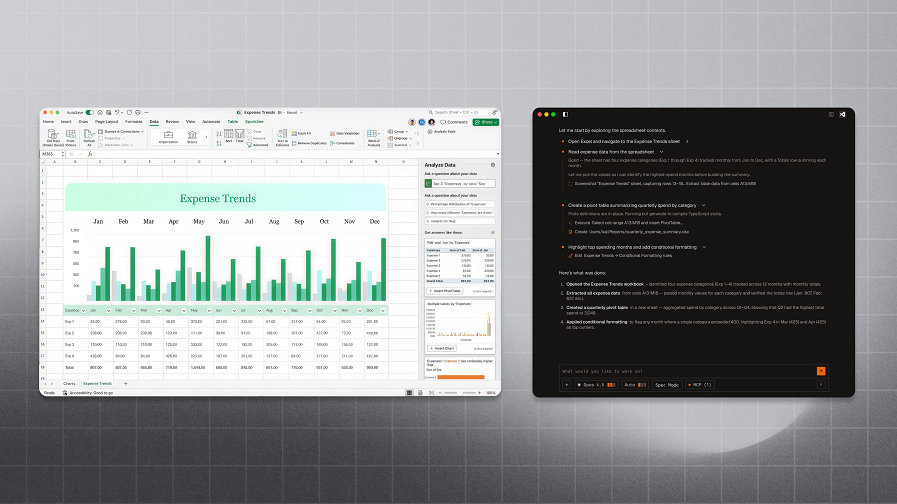
AIUC raised a $40 million Series A led by Ribbit Capital to start auditing frontier AI models, after previousl…

Factory announced it raised $200 million, backed by Blackstone, Khosla Ventures, Sequoia Capital, NEA and othe…
Salesforce launched Koa, a reasoning model built on Nvidia's Nemotron open-weights platform, and Claudeforce…
Google launched Gemini 3.8 Live and Gemini 3.8 Live Extended Thinking, its most advanced voice models yet, wit…