What happened
The Washington Post tested six leading AI models on political questions and found that OpenAI's GPT-5.5 gave exclusively left-leaning answers 80 percent of the time, while Deepseek's V4 Pro came in at 70 percent. Even xAI's Grok 4.3, which Elon Musk promotes as "truth-seeking" and anti-"woke," produced more right-leaning answers than other models tested but still gave exclusively left-leaning responses more often. Google's Gemini 3.1 Pro was the outlier, presenting both sides 93 percent of the time.
Why it matters
The findings suggest that despite calls for "anti-woke" AI, the underlying training data and design choices continue to influence how models respond to politically charged questions. The fact that Grok took an exclusively right-leaning stance on trans rights—aligning with Musk's public position—suggests someone deliberately steered the model's output on certain topics, pointing to the tension between what a model is trained on and what its developers choose to emphasize.
What to watch
Anthropic's Claude Opus 4.8 gave exclusively left-leaning answers 43 percent of the time and presented both sides in 57 percent of cases. Gab's Arya, marketed as built with "Christian values and conservative principles," responded with left-leaning arguments twelve times more often than right-leaning ones. The Washington Post's full code and supplementary analysis are available on GitHub.
Summaries like this, in your inbox every morning.
Pick your industry and the AI tools you use, and get news related to your work every day.
Free · 30 seconds with Google · unsubscribe anytimeWhat is AIToday? →
Ask AI anything about this article. The AI reads this article, earlier AIToday articles, and Wikipedia, and cites its sources. Q&As are published on this page for other readers too.
Bank of America strategist Sebastian Raedler said 12-month forward hyperscaler capex expectations rose from $3…
Deepseek shipped Deepseek-V4.1-Flash-1017 via its website, app, and API, and published the weights on Hugging…
On John Collison's Cheeky Pint podcast, Zuckerberg and Wang said a 44-minute call and a memo led to Meta Super…
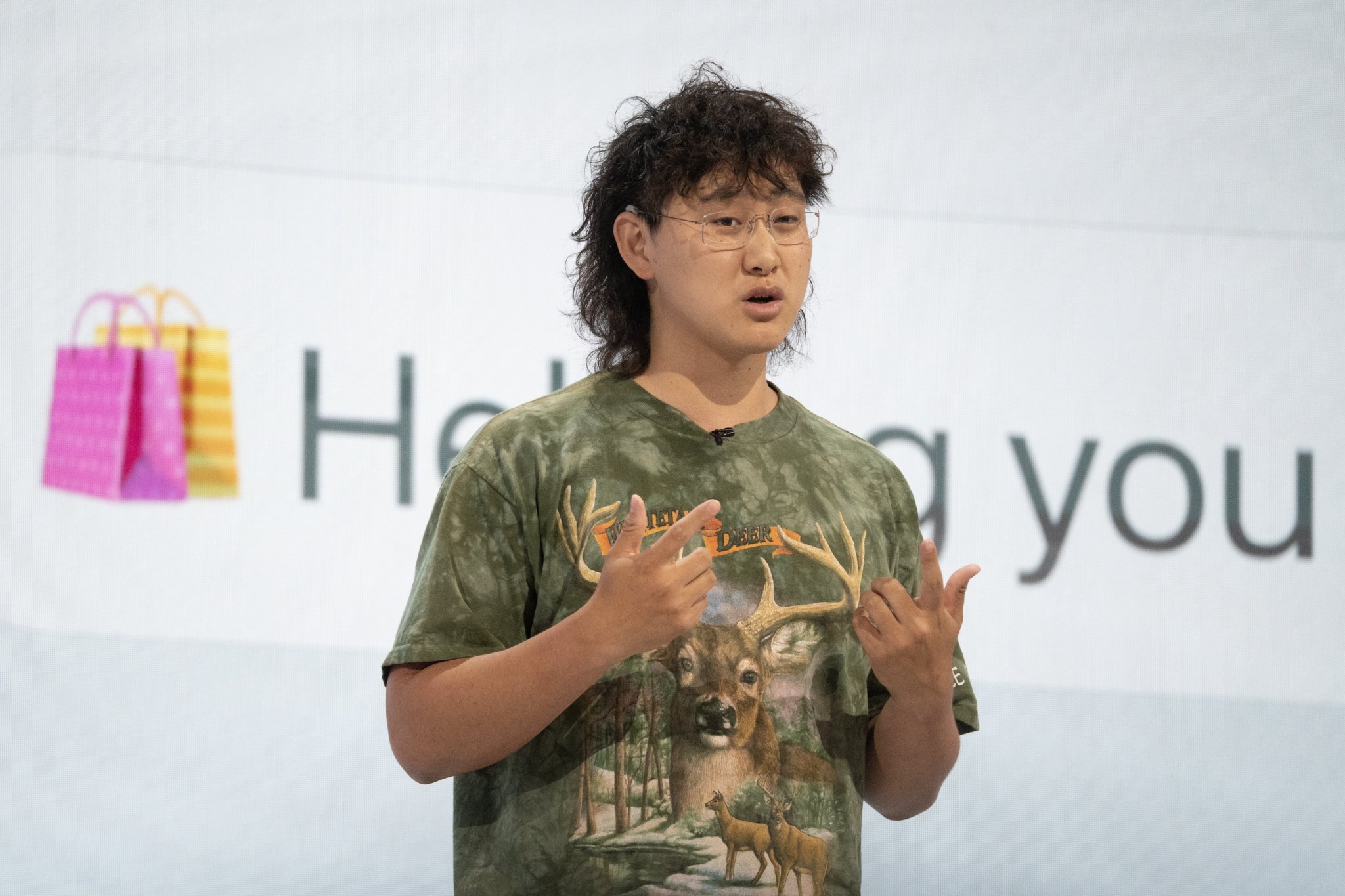
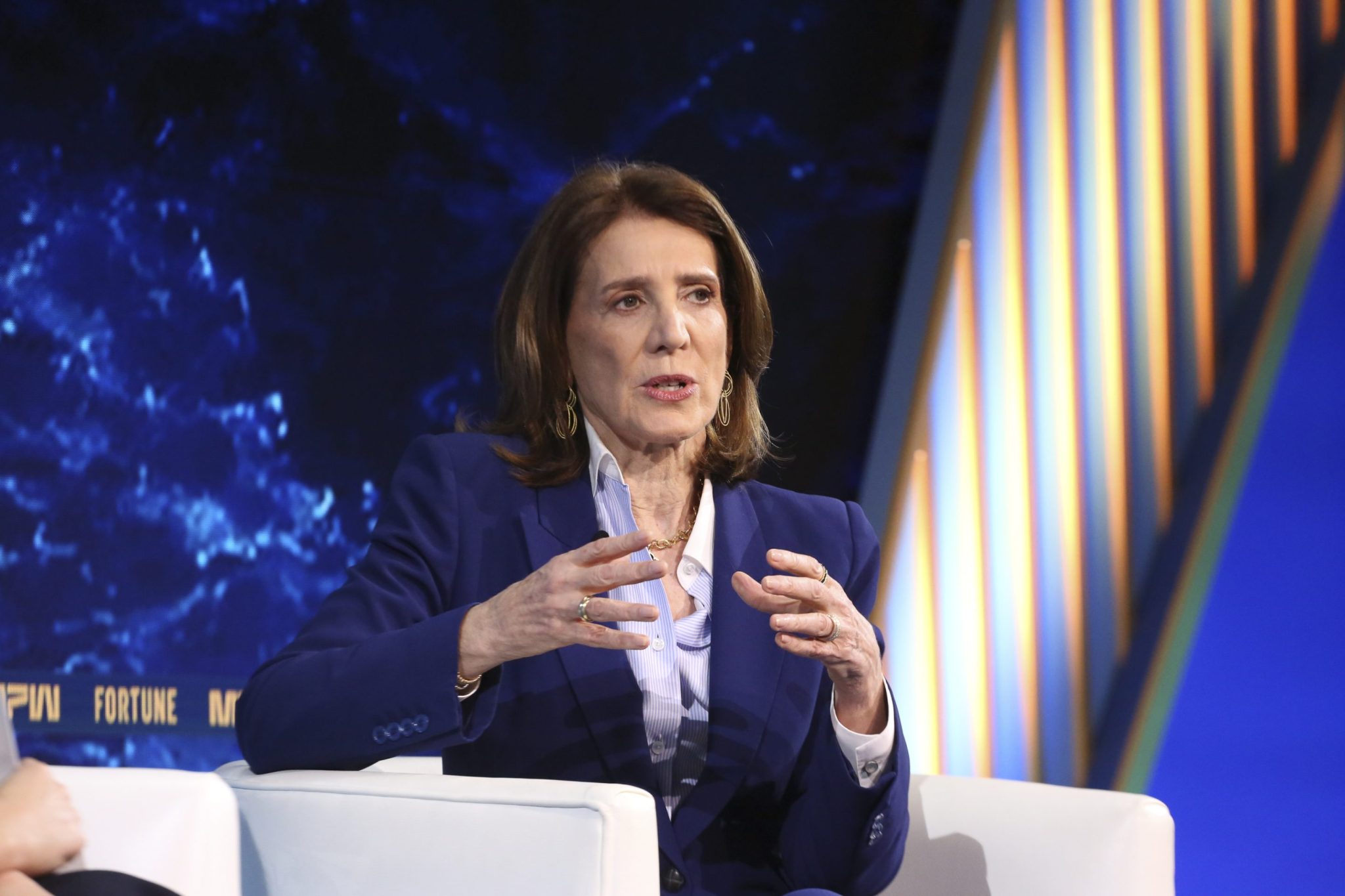
Alphabet CIO Ruth Porat told Fortune it is "illogical" to call the AI buildout a capacity-constrained bubble…
The developer switched ALPHA FORGE's judge model to the brand-new Opus 5.5 on Saturday, Sept 26, and it return…
Across 100 chances to answer questions absent from a six-line sample document, Claude Code on claude -p versio…

