
What happened
A Japanese writer describes a personal routine called AIアンガーマネジメント: type the irritated thing into an AI unedited, have it separate facts from assumptions, then co-write the reply.
Why it matters
The stated payoff is that the angry draft goes to the AI chat box instead of Slack, so a reply sent in the heat of the moment never happens — though the writer cautions AI can take your side too much and advises not typing real names or confidential details.
Summaries like this, in your inbox every morning.
The routine is framed against the well-known advice to wait six seconds before reacting to anger — an idea the writer traces to a U-CAN column. Their complaint is practical: six seconds pass, the anger does not leave, and a half-written rebuttal is still sitting in the reply box. The anger has nowhere to go, so the writer gives it somewhere — the AI chat window — and moves the rant out of the messaging app where hitting send is one keystroke away.
The sample exchange shows what that looks like. A last-minute button-position change the evening before a release gets typed in raw; the AI answers that being annoyed is reasonable, that the change request is a fact while 'they don't take this seriously' is an interpretation, and that the one thing in the writer's control is deciding with the other person whether it ships now or next time. A second pass turns the angry draft into a version that keeps the problem and the request but drops the sarcasm and the accusation.
The writer is explicit that this is not a cure-all. They cite research suggesting that putting feelings into words can put a brake on the brain, but also point to OpenAI's reversal of a GPT-4o update that had become too accommodating and inflamed user anger, which is why the prompt asks the AI not to join in blaming anyone. For anger that lasts days, the advice is to talk to a trusted person or a professional rather than the AI.
Pick your industry and the AI tools you use, and get news related to your work every day.
Free · 30 seconds with Google · unsubscribe anytimeWhat is AIToday? →
Ask AI anything about this article. The AI reads this article, earlier AIToday articles, and Wikipedia, and cites its sources. Q&As are published on this page for other readers too.
After Character.AI filed for bankruptcy this week, a legal filing shows Disney agreed to offer jobs to at leas…
Anthropic's internal study shows junior new hires in technical departments fell from 27 percent to 9 percent s…
Mastercard is testing a new intelligence layer in its Agent Pay Trust Framework in the United States that prod…

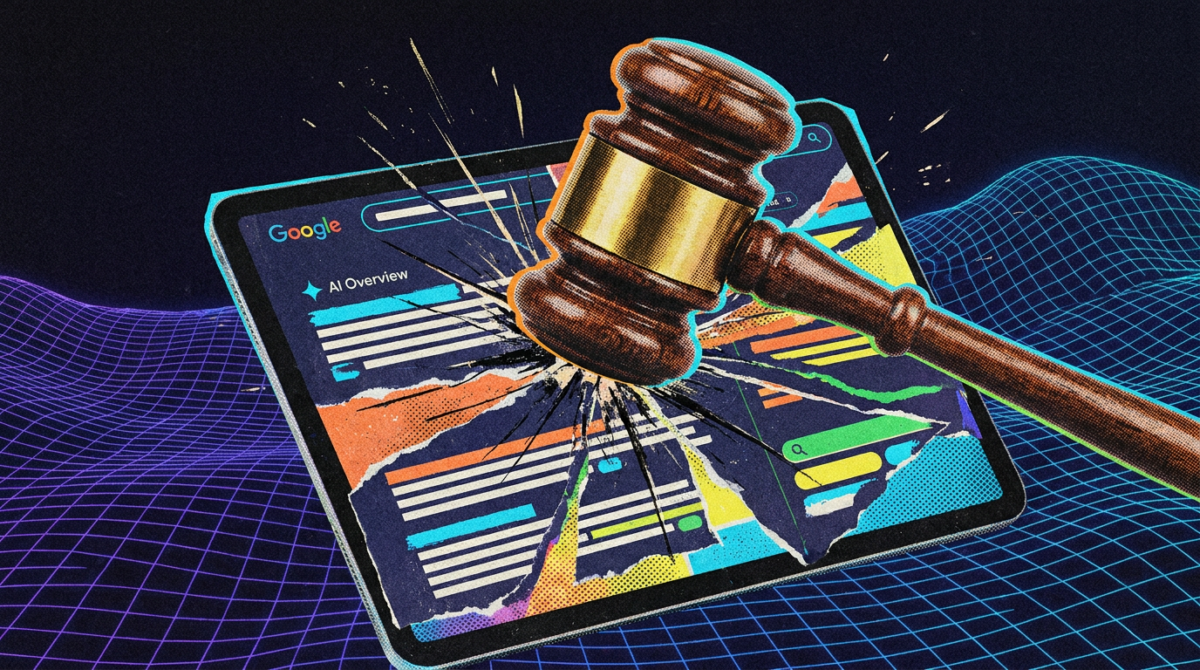
In a decision dated September 24, 2026, the Aachen Regional Court banned Google from spreading three false AI…
Three designs for turning encoded inputs into predictions: pooling all inputs into one shared vector, applying…

Across 24 counted runs of /code-review on a 41-line shopping-cart file with six planted bugs, --max-findings 1…

