What happened
AWS and Stardog have published guidance on building a semantic layer—a unified, business-rule-driven view of enterprise data—that AI agents running on Amazon Bedrock can query across fragmented systems like Aurora and Redshift without manual data integration.
Why it matters
Enterprise data scattered across systems defines the same concepts differently (e.g., "customer" in CRM vs. billing), causing AI agents to return conflicting answers. A semantic layer captures business context and metrics once, letting agents compose correct answers from many sources and stand behind the numbers they return.
What to watch
The approach complements Retrieval Augmented Generation (RAG) rather than replacing it; most production systems need both. Two integration paths are outlined: a direct SPARQL tool and the Stardog Cloud Model Context Protocol (MCP) server as a Gateway tool target.
Summaries like this, in your inbox every morning.
Enterprise analytics has pursued the same two-decade goal: shrink the time between a business question and a trustworthy answer. The body traces this evolution from scheduled reports through dashboards, then self-service BI, to agentic analytics—where autonomous agents reason over live data on demand rather than visualizing pre-built datasets. Foundation models available on Amazon Bedrock have already cleared the first hurdle: they can plan, write queries, and iterate. The hard part sits underneath: the data itself.
The core challenge is data fragmentation. Enterprise records live across purpose-built systems—operational data in Aurora and RDS, analytics history in Redshift, unstructured content in S3. Each system defines the same business concepts differently. The "customer" in a CRM is not the same record as the "customer" in billing; "revenue" calculated by one regional team differs from another's. An AI agent given direct access to this fragmented landscape will write technically valid SQL that produces wrong, conflicting, or unexplainable answers, eroding confidence the moment two agents return two different numbers for the same question.
A semantic layer addresses this by capturing business context once as an ontology—a unified model of concepts, relationships, attributes, and rules—and mapping those concepts to rows in each live source. When implemented as Stardog does it (with ontology, stable identifiers for every entity, and rules that derive new facts and validate data), the result is a knowledge graph where entities are connected as business relationships rather than isolated rows. The agent queries this layer; the layer translates each query into SQL for the underlying systems at runtime. Data stays where it is; meaning is reused. The body emphasizes that a semantic layer does not replace RAG but complements it, with most production systems needing both accessible through the same agent.
Pick your industry and the AI tools you use, and get news related to your work every day.
Free · 30 seconds with Google · unsubscribe anytimeWhat is AIToday? →
Ask AI anything about this article. The AI reads this article, earlier AIToday articles, and Wikipedia, and cites its sources. Q&As are published on this page for other readers too.
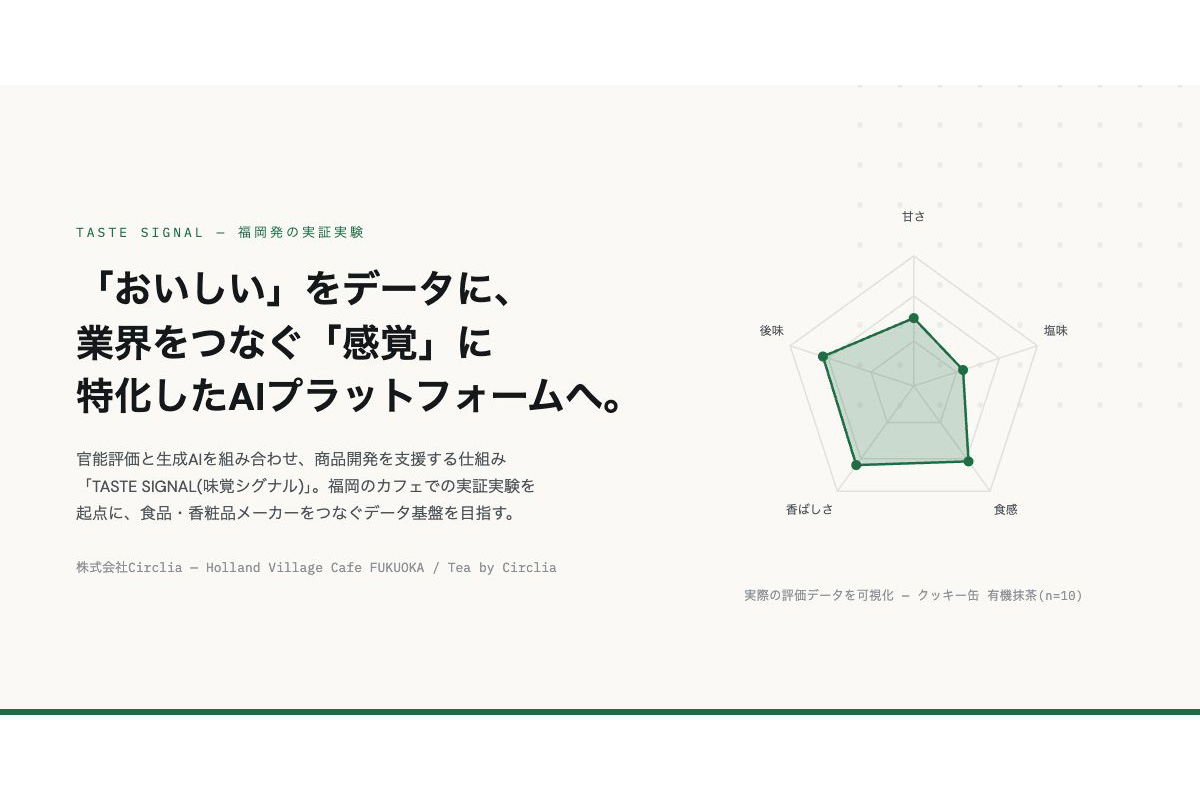
Circlia started a proof-of-concept for TASTE SIGNAL: visitors to Holland Village Cafe FUKUOKA taste cookies an…
In a webinar hosted by French Mathematical Society president Isabelle Gallagher, Fields Medal winner Hugo Dumi…

NVIDIA released Nemotron 3.5 Super VL, an open-weight model with 120 billion parameters that handles text, ima…
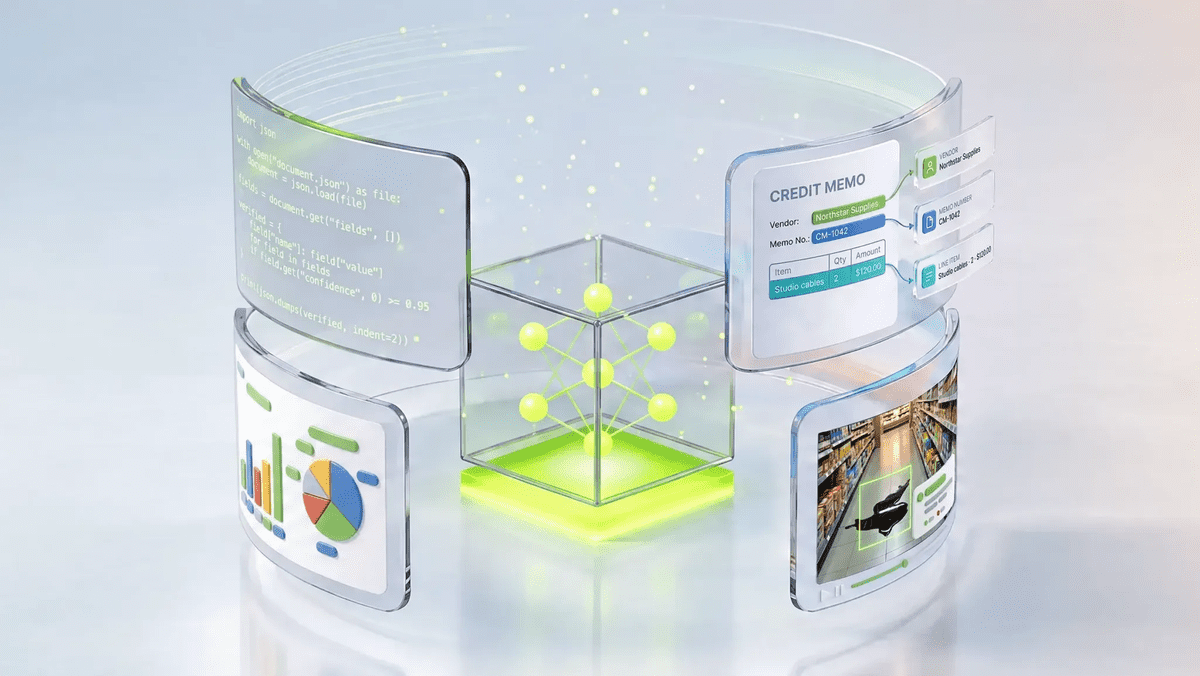
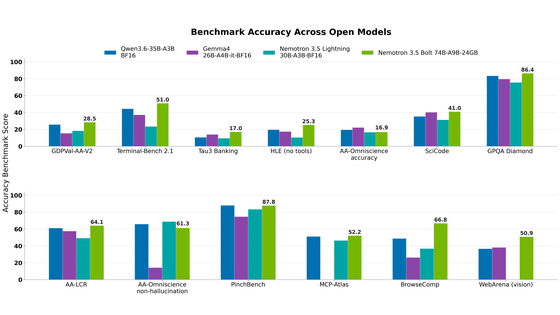
NVIDIA released Nemotron 3.5 Bolt 74B-A9B 24GB, an AI model for local agents that hits over 80 tokens per seco…
NVIDIA published a blog post titled "AI Security Is an Engineering Problem - How to Solve It at Every Layer of…

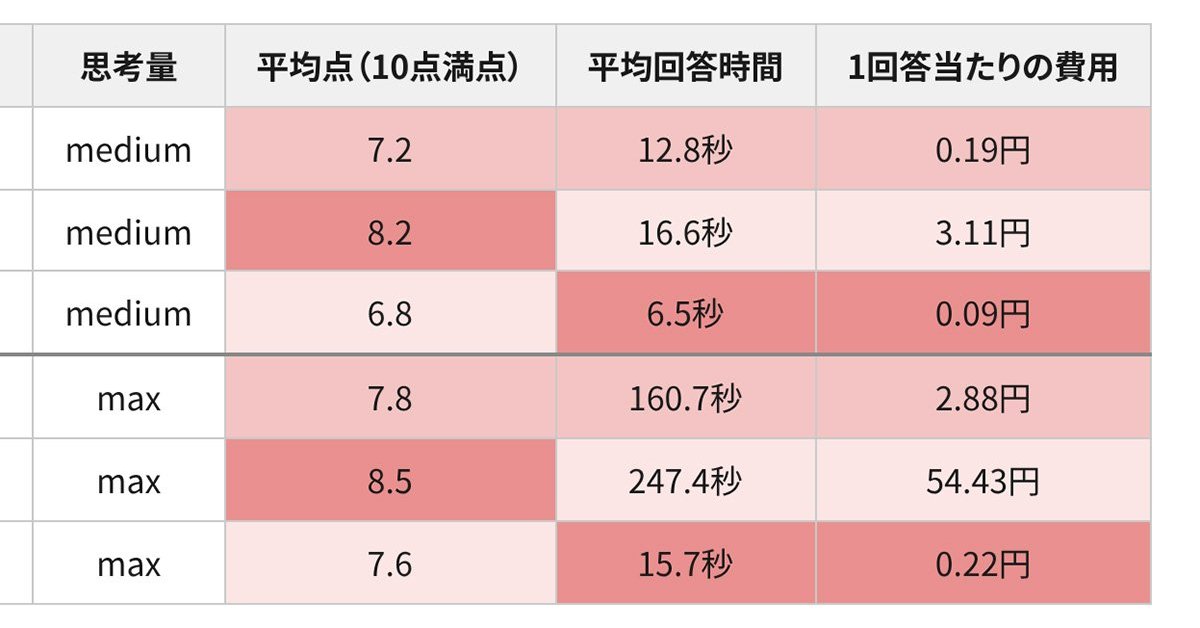
In the test, Haiku 5.5 on medium setting averaged scores close to Sonnet 5.5 on routine documents at about 1/1…