What happened
Taro Shimizu, with Laura Zwaan and Adam Rodman, published a NEJM AI paper saying AI is good at generating many differential diagnoses, but people must make the final call, especially for home-care plans.
Why it matters
If the tool only proposes and a clinician still chooses, hospital and clinic teams keep the final decision, which is likely why the paper drew wide industry attention.
What to watch
The test is whether doctors actually pick which tasks to hand to AI, since Shimizu says few players combine user perspective with technical expertise.
WHO IT HITSClinicians and hospital teams weighing clinical AI tools, plus home-care doctors coordinating with patients and families, are the people this directly touches; the paper tells them to keep the final call in human hands.
Summaries like this, in your inbox every morning.
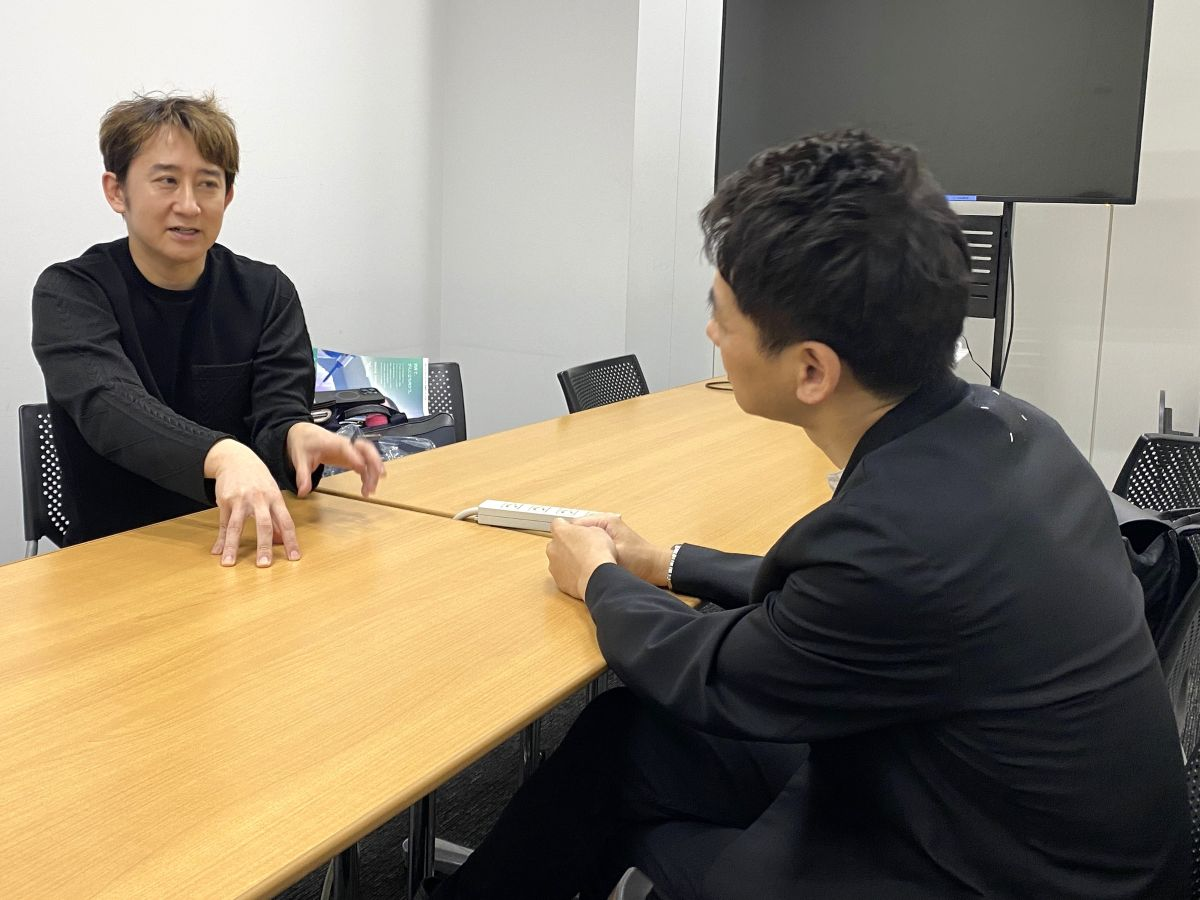
Shimizu is described as having a wide range of interests and a habit of quickly engaging with new fields. Before this paper, he appeared in a special edition of Nikkei Medical published on May 20, 2026, in a lead interview about AI. He has also been working with the ARISE Network, an international research team founded by members from Stanford and Harvard, on evaluating and verifying the safety and effectiveness of clinical AI.
The paper's argument rests on a division of labor: AI is good at divergent work like listing many differential diagnoses, while humans are better at weighing multiple circumstances to decide. Shimizu gives home care as the example — AI may offer a broad set of ideas, but the patient, family and clinicians make the call. He says the paper drew wide attention, and his impression is that few players combine a user perspective with technical expertise.
The conversation also touches how doctors are trained. Suzuki, a psychologist and psychosomatic physician, argues clinicians have long been trained to give fast answers where a correct answer exists, and are less used to thinking where none does. He said doctors often label something as a weakness after two failed attempts, and that "weakness" is better described as not yet knowing the right method. Whether hospitals adopt these ideas may hinge on how far they let AI generate options while keeping the decision with the care team.
Pick your industry and the AI tools you use, and get news related to your work every day.
Free · 30 seconds with Google · unsubscribe anytimeWhat is AIToday? →
Ask AI anything about this article. The AI reads this article, earlier AIToday articles, and Wikipedia, and cites its sources. Q&As are published on this page for other readers too.
A Qiita article compared automated red-teaming methods for LLM apps — GCG, PAIR, and TAP — using mock implemen…

In a webinar hosted by French Mathematical Society president Isabelle Gallagher, Fields Medal winner Hugo Dumi…
Anthropic said on October 15 it has started giving METR's six staff company devices, office space and access t…
NVIDIA published a blog post titled "AI Security Is an Engineering Problem - How to Solve It at Every Layer of…

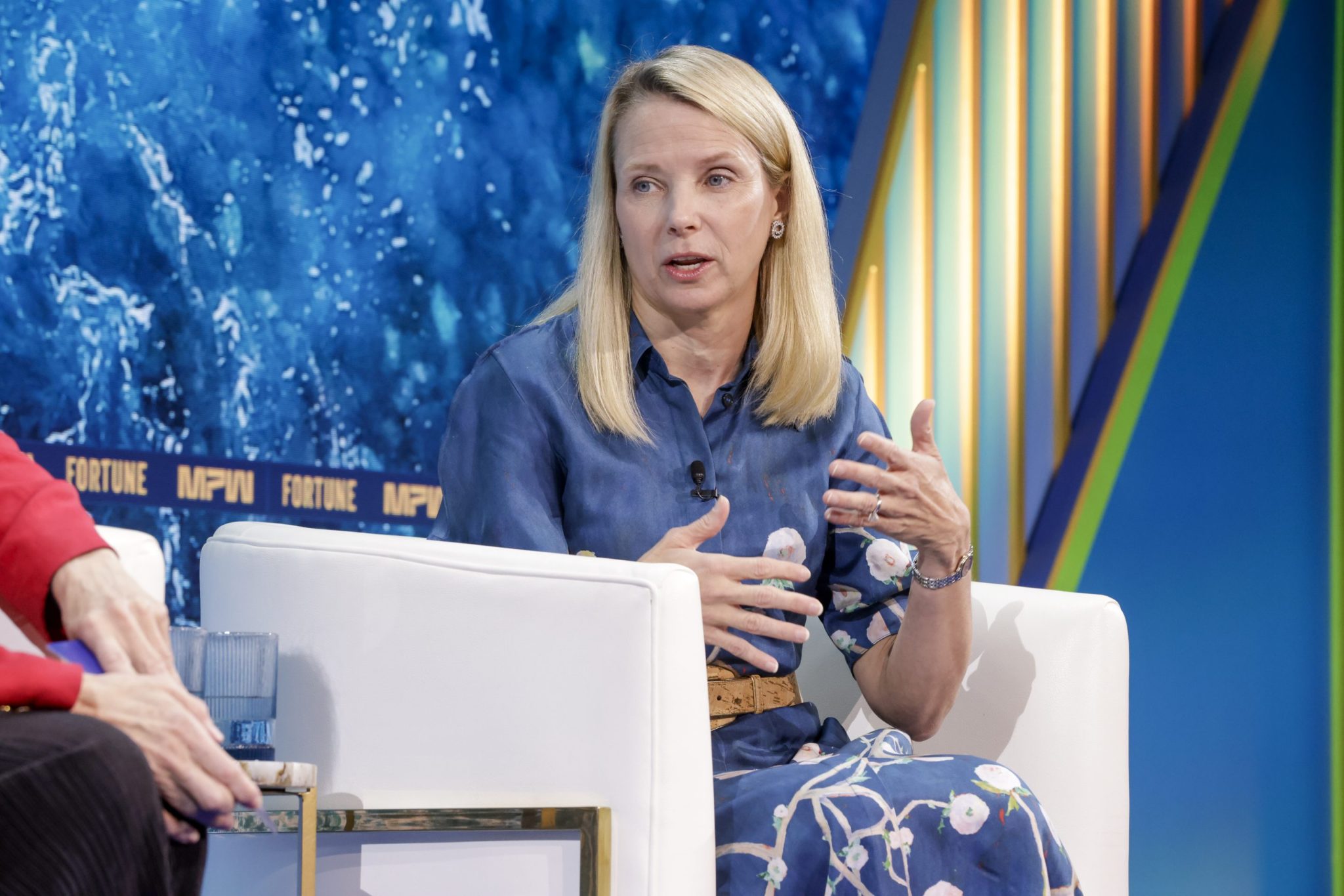
At the Most Powerful Women Summit, Marissa Mayer said anyone who claims to know how AI will play out is 'eithe…
After its first meeting Thursday, the White House AI task force formally adopted its charter, opening a 120-da…