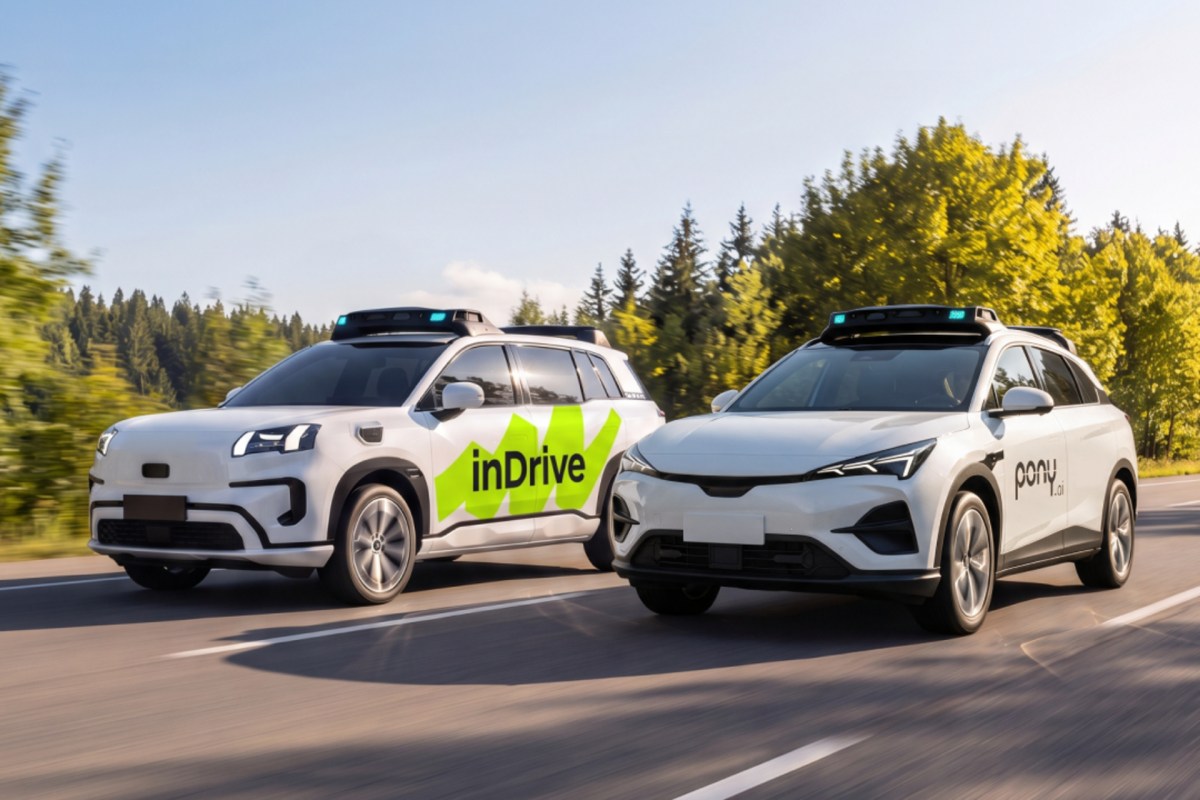
What happened
inDrive, Pony.ai and Nvidia signed a memorandum of understanding to test Pony.ai's Gen-7 robotaxis in Astana, Kazakhstan, in the first half of 2027.
Why it matters
The tests will initially involve a safety operator, with fully driverless rides as the eventual goal, and Nvidia says its Hyperion platform could lower robotaxi development costs by providing a ready-made foundation of sensors and computing.
What to watch
Testing is set to begin in Astana in the first half of 2027.
WHO IT HITSRide-hailing operators and autonomous-driving developers exploring markets outside the U.S. and China are affected, as inDrive looks to bring its affordable-ride focus to robotaxis using partner technology rather than building it in-house.
Summaries like this, every morning.
The memorandum of understanding between inDrive, Pony.ai and Nvidia reflects growing interest in self-driving technology beyond the U.S. and China. It also comes as ride-hailing companies expand their push into robotaxis: earlier this month, Uber announced plans to test Pony.ai's robotaxis in London, where it has also started offering supervised autonomous rides with British startup Wayve. For Pony.ai, the Kazakhstan proposal would add to its ongoing push beyond China; the company aims to have more than 3,500 robotaxis operating in over 20 cities worldwide by the end of 2026, up from a fleet of 1,975 vehicles at the end of June. Kazakhstan itself announced plans last month to launch autonomous taxi services in 2027, with initial trials planned in Astana and two other cities, and has introduced rules for autonomous vehicles to be tested on certain public roads. inDrive is exploring robotaxis in other markets as well: in December, it signed a separate agreement with Saudi Arabia's AI Driver to explore deploying autonomous vehicles powered by Chinese self-driving firm WeRide, starting with Riyadh, with a pilot targeted for the first half of 2026, though it remains unclear whether testing has begun.
Pick your industry and the AI tools you use, and get news related to your work every day.
Free · 30 seconds with Google · unsubscribe anytimeWhat is AIToday? →
Ask AI anything about this article. The AI reads this article, earlier AIToday articles, and Wikipedia, and cites its sources. Q&As are published on this page for other readers too.
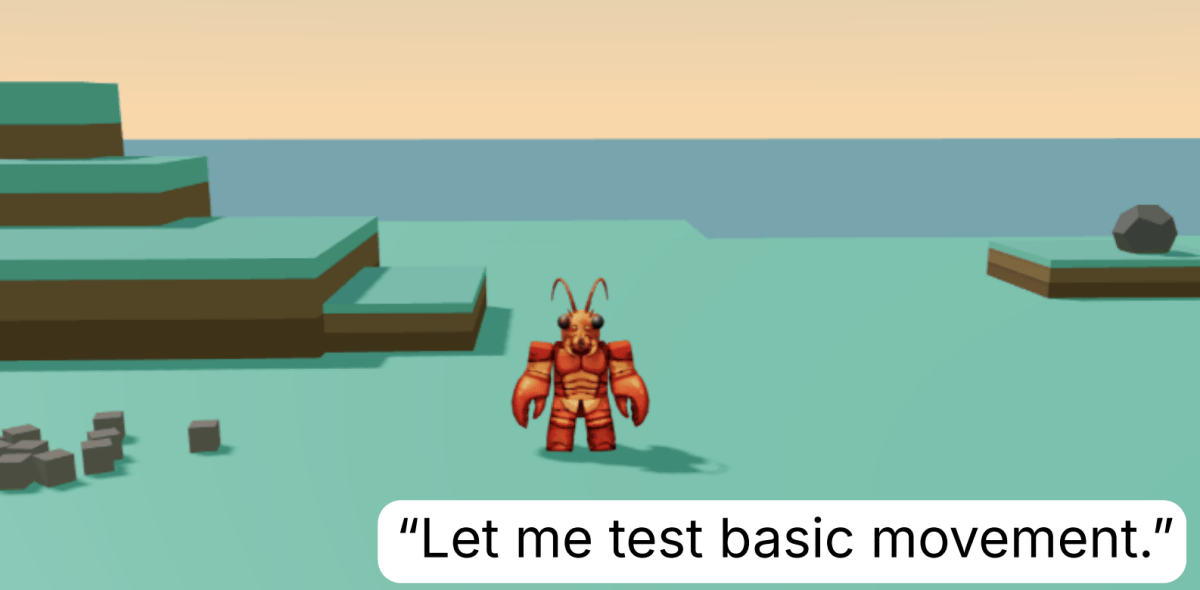
MIT researchers put 13 Eko agents, each running on Claude Opus 4.7, alone on a simulated desert island for 30…
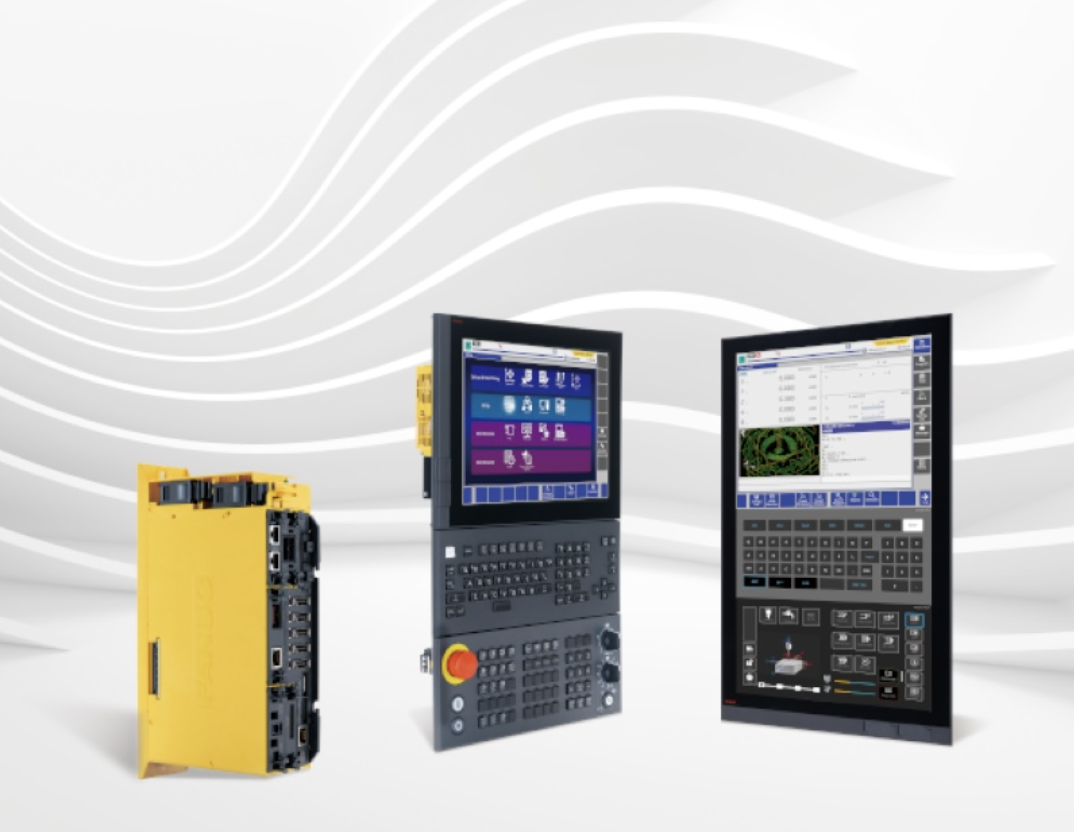
FANUC will exhibit physical AI, CNCs and robots at JIMTOF 2026, in booth S2001
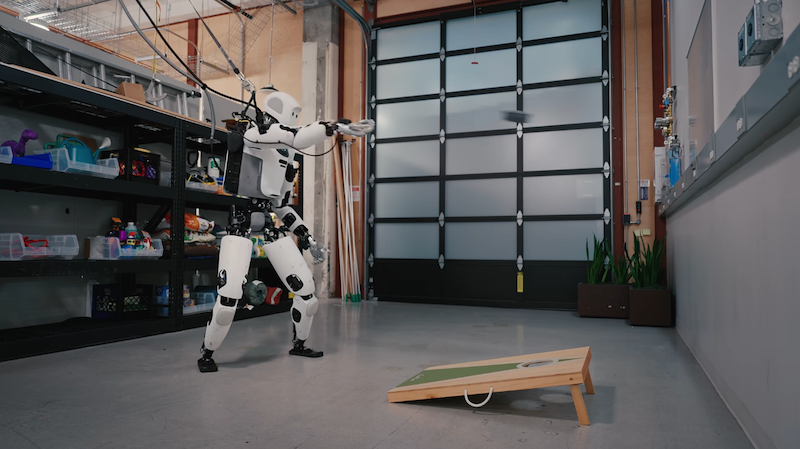
Google DeepMind showed Gemini 4 Argon analyzing raw video of a person playing cornhole, generating simulation…
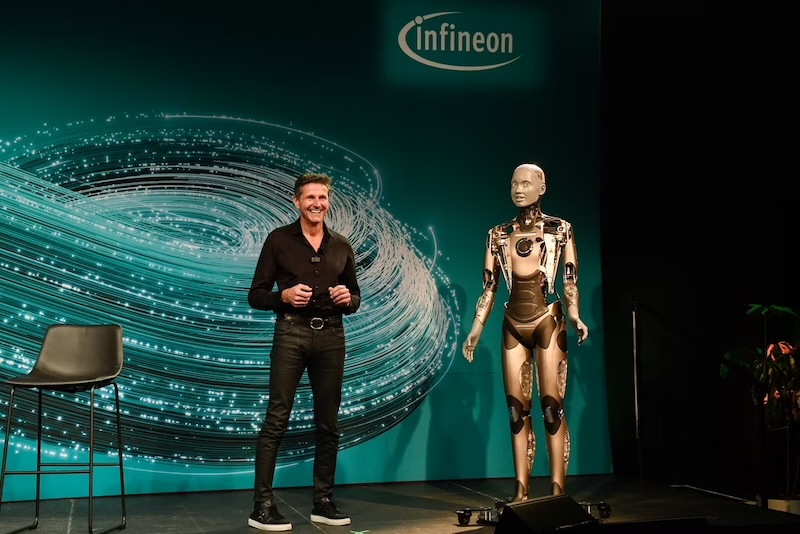
Infineon named Italy's AdapTronics winner of its 2026 Startup Challenge on humanoid robots and physical AI; mo…
Cerence AI announced its collaboration with Geely is expanding from intelligent cockpits to embodied robotics…

Tesla reported a mixed set of financial results in its third-quarter 2026 earnings, with its energy-storage bu…