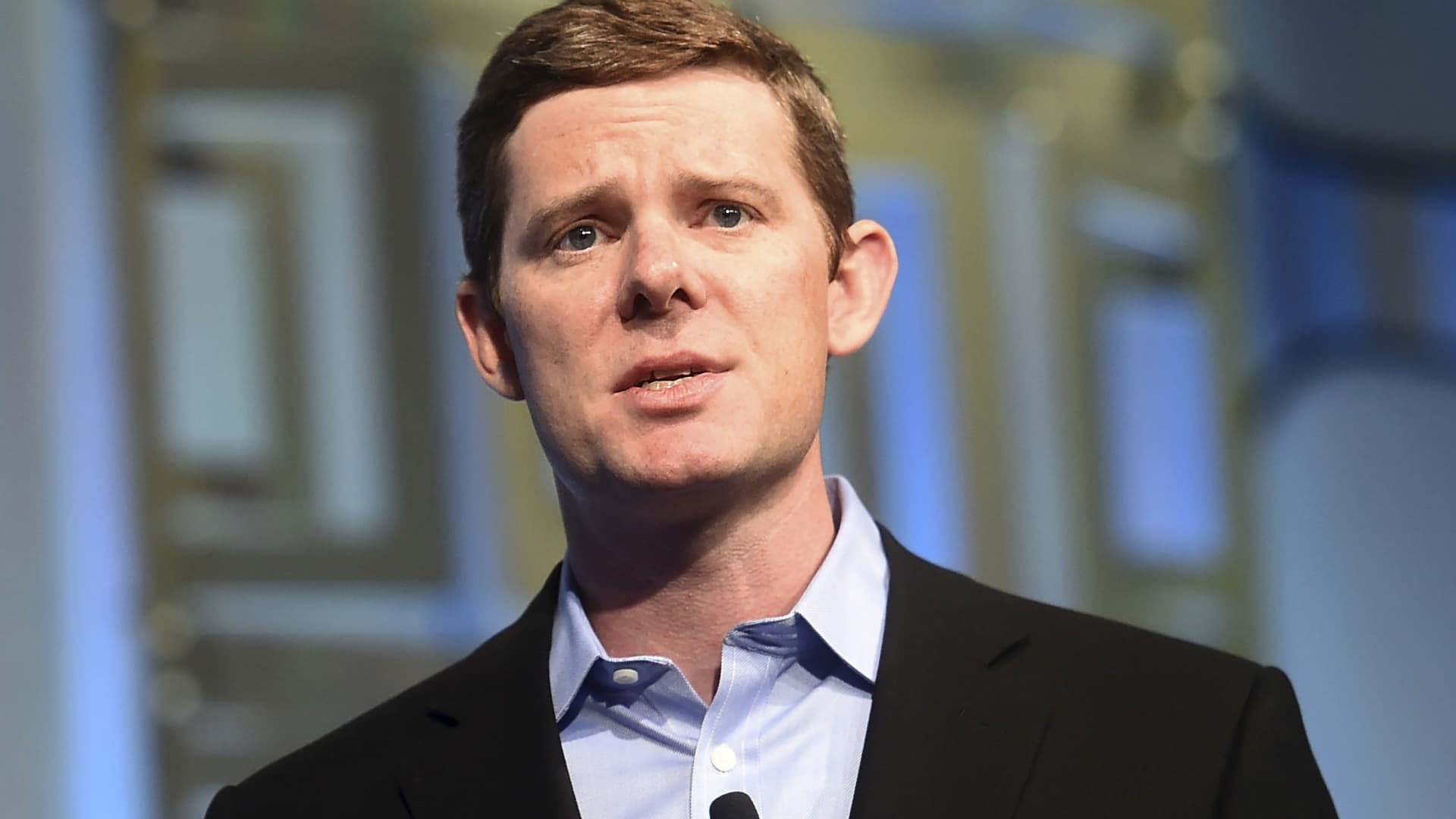
Visa is laying off approximately 2,600 employees, roughly 7% of its workforce, with the majority of cuts in technology and product operations. CEO Ryan McInerney cited AI as a key factor in reshaping how work gets done at the company, while Visa also aims to redirect investment toward high-growth areas including affluent customers, cross-border activity, and stablecoins. The move reflects a wider trend among financial and technology companies using AI to automate technical roles and manage costs.
Summaries like this, in your inbox every morning.
Sign up free →What happened
Visa is eliminating roughly 2,600 positions—about 7% of its workforce—with most cuts in technology and product operations. CEO Ryan McInerney announced the move in a memo confirmed by CNBC, stating that affected employees will be contacted starting Tuesday for transition assistance.
Why it matters
The layoffs reflect a broader pattern across finance and tech: companies are using AI to automate technical work like software development while controlling costs after years of rapid hiring. For Visa, which operates the world's largest payments network, the restructuring signals a shift toward higher-margin business lines—affluent customers, cross-border payments, business payments, stablecoins, and geographic expansion—rather than general workforce growth.
What to watch
Visa had about 34,100 employees at the end of its last fiscal year. The company is scheduled to report quarterly earnings after market close Tuesday. McInerney framed the cuts as necessary to "capture the opportunities ahead," though he acknowledged AI played "a significant role" in the layoffs—though it was not the sole driver.
Visa, which operates the world's largest payments network, announced plans to cut about 7% of its workforce—roughly 2,600 positions—as CEO Ryan McInerney moves to streamline operations and redirect investment toward higher-growth business areas. The memo, confirmed by CNBC with a person having direct knowledge of the matter, indicates that most of the cuts will fall in technology and product operations. Affected employees were set to be contacted starting Tuesday for transition assistance. McInerney wrote in the memo that "To capture the opportunities ahead and best position Visa to lead this transformation, we must continue evolving how we work," explicitly citing AI as a force reshaping how work is performed at the company: "AI is also helping to accelerate this evolution and shape the way work gets done at Visa." The layoffs reflect a trend across the financial and technology sectors, where companies are increasingly using AI to automate technical work like software development while attempting to control costs following years of aggressive hiring. At the end of its last fiscal year, Visa had about 34,100 employees. According to the person with direct knowledge, AI played a significant role in the decision but was not the sole driver. The company is also motivated by a strategic desire to invest more heavily in what it views as growth areas: emphasis on affluent customers, cross-border activity, business payments, stablecoins, and geographic expansion. McInerney emphasized the company's strong position, writing: "As a result of the choices we have made over the past few years, we are entering a new era in commerce with a business that has real momentum," citing good financial results and client satisfaction. Visa was scheduled to report quarterly earnings after the market closes on Tuesday.
Visa's announcement fits a broader pattern in financial services and technology: companies are increasingly deploying AI to automate software development and other technical work, allowing them to reduce headcount while maintaining or improving output. The memo from CEO McInerney positions the cuts not simply as a cost measure but as a necessary evolution—he wrote that "AI is also helping to accelerate this evolution and shape the way work gets done at Visa." However, the person with direct knowledge clarified that AI, while a significant factor, was not the sole driver, suggesting the company is also reallocating resources based on strategic business choices made in recent years. Those choices center on higher-margin and faster-growing segments: affluent customer bases, cross-border payments, business-to-business payments, stablecoins, and international expansion. By shedding general technology and product headcount, Visa is essentially narrowing its operational focus to areas where it believes growth and profitability will be strongest.
AI-summarized, only the topics you pick — one digest a day via Email, Slack, or Discord.
Free · takes 30 seconds · unsubscribe anytime
No comments yet. Be the first to share your thoughts!
Log in to join the discussion



Get curated AI news from 200+ sources delivered daily to your inbox. Free to use.
Get Started FreeFree · takes 30 seconds · unsubscribe anytime
