What happened
Goldman Sachs economist Pierfrancesco Mei analyzed more than 15,000 displaced workers and found those from AI-exposed jobs since 2025 took about a month longer to reemploy and were roughly 10 percentage points more likely to still be jobless a year on.
Why it matters
The delay and higher jobless rate suggest AI-related displacement carries a lasting reemployment penalty, not a brief interruption, according to the Goldman analysis.
WHO IT HITSOlder workers and long-tenured employees displaced from AI-exposed roles face longer jobless spells and lower reemployment odds, based on the Goldman analysis.
Summaries like this, every morning.
The Goldman analysis arrives as employers are naming AI directly in layoff announcements. Through September, companies blamed AI for 120,136 announced job cuts, about 21% of all cuts and the top reason given, according to the report. That backdrop helps explain why the study focuses on workers whose positions were eliminated, not just those in AI-exposed occupations.
The Labor Department survey behind the analysis counted 7.4 million workers displaced from 2023 through 2025, up from 6.3 million in the prior period. Within that larger pool, Mei's AI-exposure score isolates the top 30% of displaced workers, and the reemployment gap he finds is measured against other displaced workers rather than against all workers.
Mei also looked at earlier technology-driven disruptions and found that in the years after losing a job to technology, workers' real earnings grew more slowly than those of other displaced workers. The paper does not break the one-month delay down by occupation or publish a list of which jobs sit inside the top-30% exposure bucket, so the specific roles most affected remain unspecified. The same day, a separate Careerminds reading found that a third of AI layoffs have since been reversed, suggesting some displacement may prove temporary even as the Goldman data points to longer jobless spells for those affected.
Pick your industry and the AI tools you use, and get news related to your work every day.
Free · 30 seconds with Google · unsubscribe anytimeWhat is AIToday? →
Ask AI anything about this article. The AI reads this article, earlier AIToday articles, and Wikipedia, and cites its sources. Q&As are published on this page for other readers too.
Reddit CEO Steve Huffman said Google's AI Mode "does not drive traffic

Re:Build closed $2.1 billion in new funding led by General Catalyst and JPMorganChase, while Kalshi raised a $…
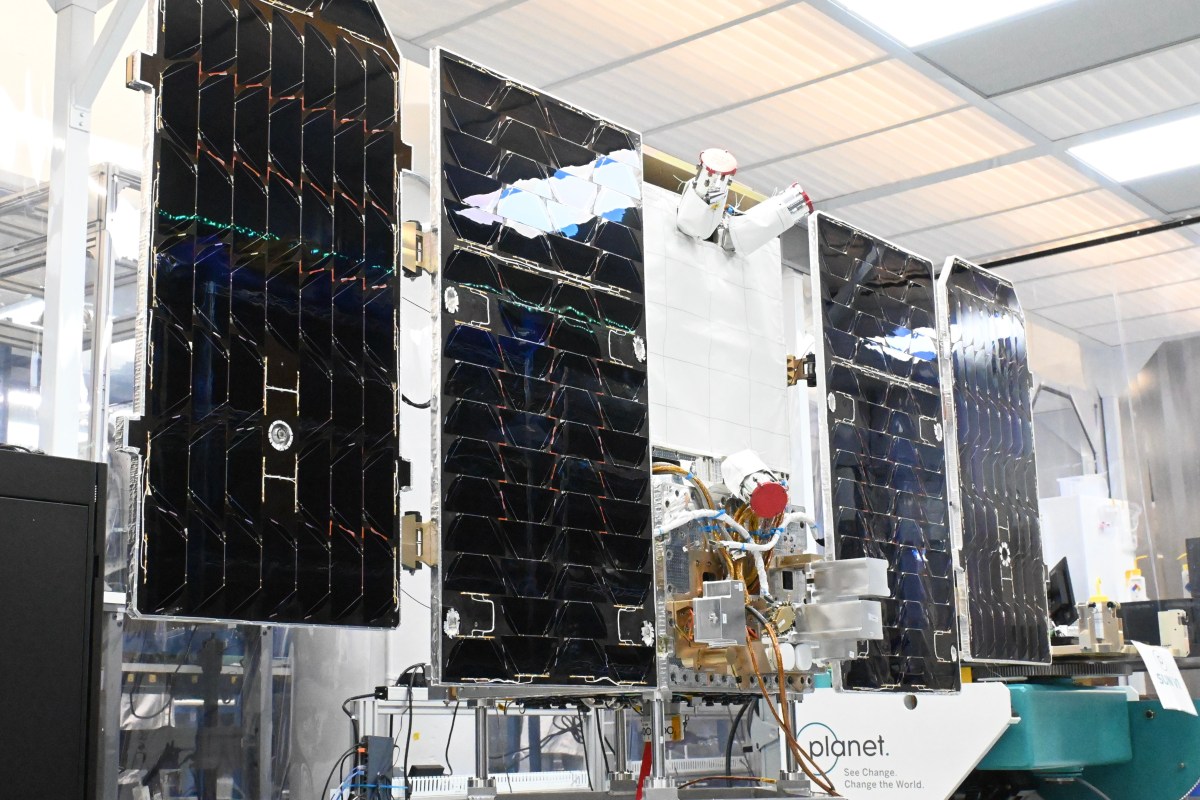
Google booted up the satellite's Tensor Processing Units (TPUs), and the on-board Gemma 4 model answered promp…

On Thursday's earnings call, CEO Brian Niccol said Starbucks will explore drive-thru experiences that recogniz…
Google Suncatcher's prototype space data center is online after launching earlier this month on a SpaceX Falco…
Tyler Shultz, the Theranos whistleblower, told The San Francisco Standard that AI is 'a great opportunity to g…