What happened
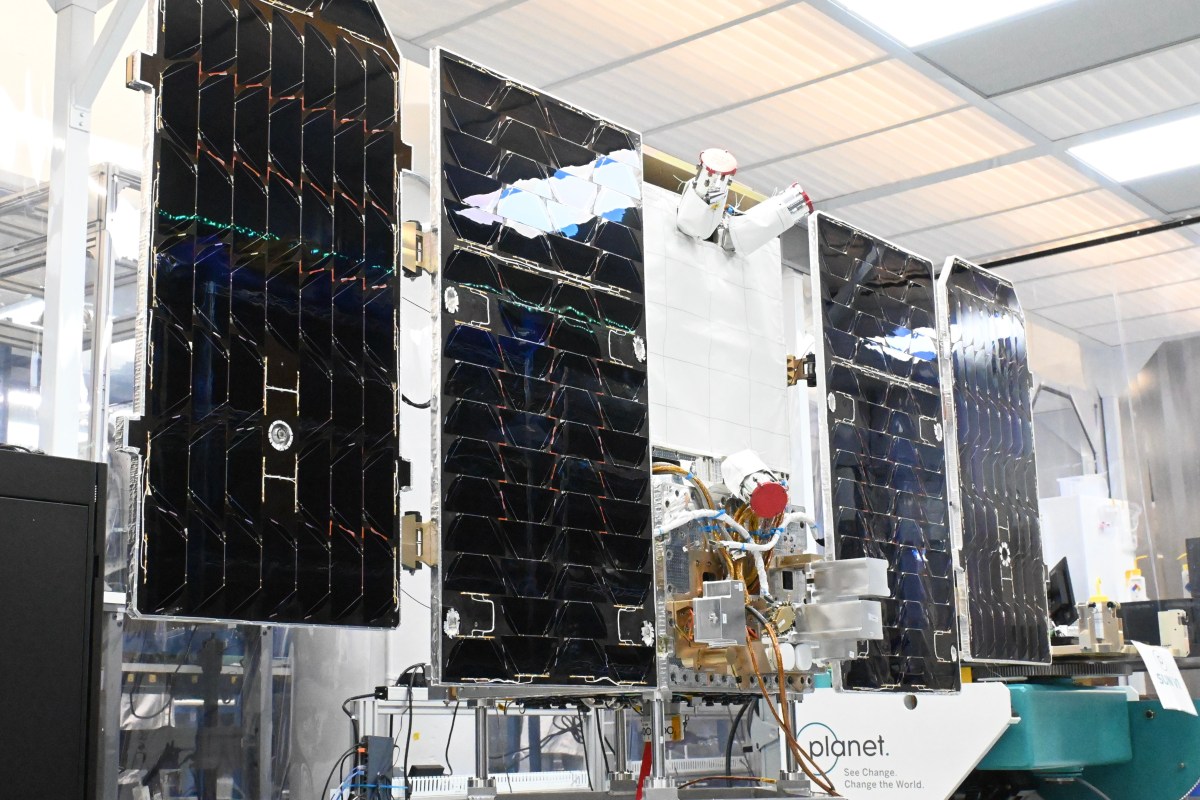
Google Suncatcher's prototype space data center is online after launching earlier this month on a SpaceX Falcon 9. It carries four Google Tensor Processing Units (TPUs) and can generate up to 1 kW of electricity, though it can only turn one TPU on at a time.
Why it matters
This orbital test is meant to see how TPUs handle thermal stress and space radiation before Google commits to a further launch.
WHO IT HITSThis trial matters for Google's infrastructure and hardware teams, who need to learn how radiation-induced "bit flips" affect TPU inference in orbit before committing to a satellite network.
Summaries like this, every morning.
Google Suncatcher is designed as a long-term bet on infrastructure that would be economical in the 2030s, with the current satellite serving as a testbed for key questions about running AI workloads in orbit. The main technical risk under examination is how space radiation affects TPUs. Radiation can cause "bit flips" in computer memory and corrupt data without triggering typical monitoring tools. Test results on the ground suggest the impact would be minimal for inference workloads and more of a problem for training a model. Ground testing also included particle accelerator trials, but the team now gets to assess those dynamics in reality.
Google's approach differs from other space data center visions. Suncatcher is largely alone in planning high-speed links between satellites to support coherent distributed workloads. SpaceX's data centers are also expected to use laser links, but they would orbit too far apart to share processing effectively. Starcloud and Cowboy Space expect to perform inference loads on individual satellites.
The project's timeline may depend on SpaceX's Starship, which both Google and SpaceX need for their orbital data centers. A peer-reviewed analysis by Suncatcher researchers estimated Starship would need 1,800 flights to achieve learning-driven cost reductions similar to those seen with earlier vehicles.
Pick your industry and the AI tools you use, and get news related to your work every day.
Free · 30 seconds with Google · unsubscribe anytimeWhat is AIToday? →
Ask AI anything about this article. The AI reads this article, earlier AIToday articles, and Wikipedia, and cites its sources. Q&As are published on this page for other readers too.
Reddit CEO Steve Huffman said Google's AI Mode "does not drive traffic

Re:Build closed $2.1 billion in new funding led by General Catalyst and JPMorganChase, while Kalshi raised a $…
Goldman Sachs economist Pierfrancesco Mei analyzed more than 15,000 displaced workers and found those from AI-…

On Thursday's earnings call, CEO Brian Niccol said Starbucks will explore drive-thru experiences that recogniz…
Tyler Shultz, the Theranos whistleblower, told The San Francisco Standard that AI is 'a great opportunity to g…
Microsoft detailed an Industry Evaluation Data Generation Platform that builds fully synthetic enterprise tena…


