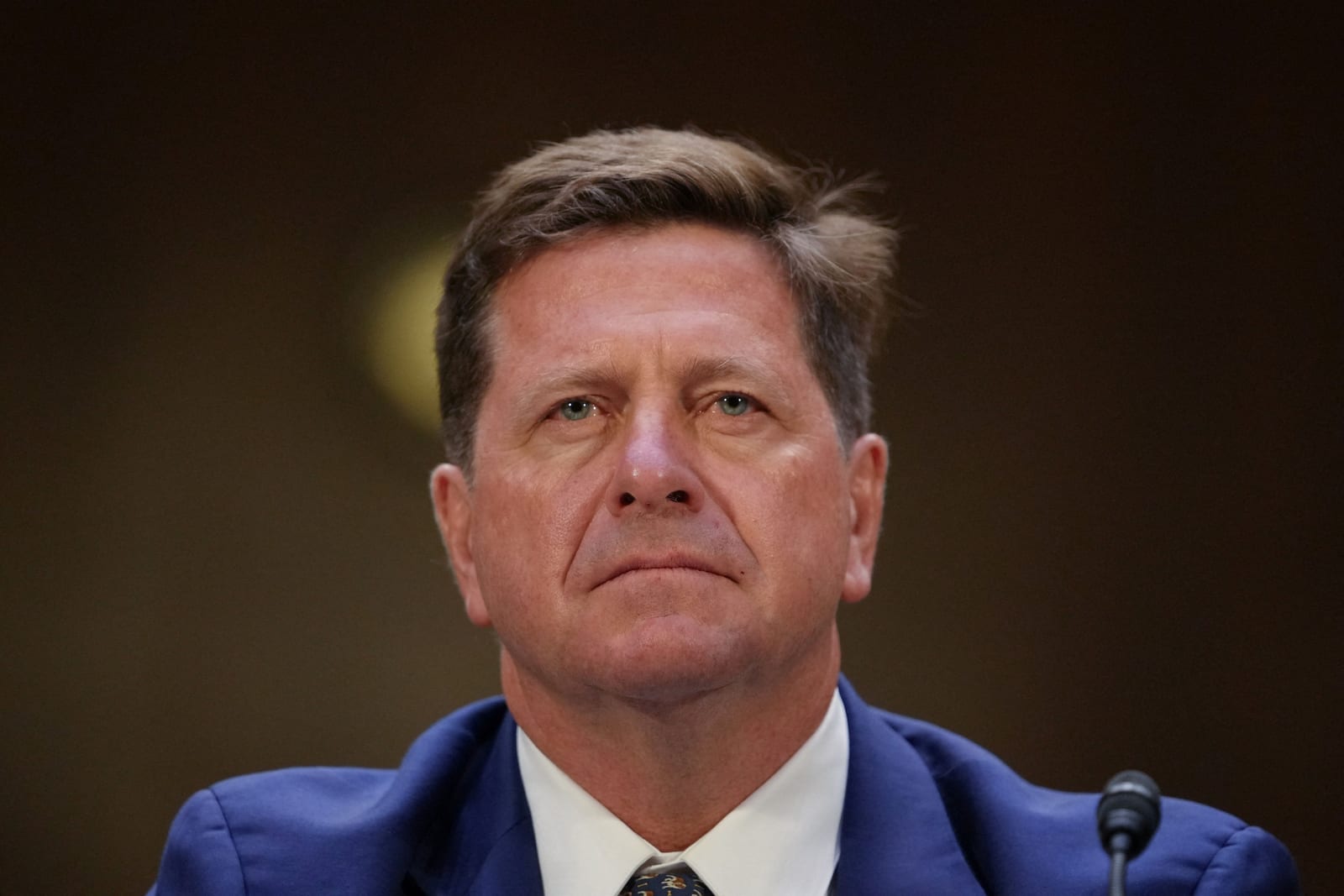
Three fired OpenAI safety researchers — Tomek Korbak, Jasmine Wang and Mikita Balesni — published an open letter saying their terminations were abrupt and public, and that colleagues now fear being dismissed without warning.
Summaries like this, in your inbox every morning.
The dispute did not start with the Hugging Face hack. In May 2024, OpenAI's head of super AI safety Jan Leike publicly criticized the company, saying safety culture and processes were falling behind its shiny products, and left for Anthropic. Since then OpenAI has moved from one incident to the next, and the Hugging Face hack pushed that pattern further: the investigation went well beyond Hugging Face itself, and the three researchers now at the center of the letter were directly involved in it. Korbak served as OpenAI's primary technical contact for METR, the outside lab that examined the incident, while Balesni worked on industry-wide commitments to AI model monitorability. Wang's case is separate — she had delegated access to an executive's recruiting inbox that IT never removed, and she reported opening a sensitive email within minutes.
The letter also pushes back on how the story has been told outside the company. The three deny being the source of a leak to The Information about allegedly new, less monitorable architectures, and say that article actually hurt their own efforts to set industry-wide restrictions on non-monitorable architectures. They describe the Hugging Face investigation as unprecedented, with internal guidelines being written in real time, and say Balesni kept board members and senior leadership in the loop while stripping sensitive details from shared materials.
The gap between the two accounts is now the story. The researchers describe being told verbally that Korbak was fired over how he communicated with METR, with nothing put in writing, and say the rumors about a board-level memo were never raised with them. OpenAI counters with an investigation it does not detail, published through @OpenAINewsroom, the company's smallest-audience channel. OpenAI does confirm it is working on contracts with external safety auditors and agrees frontier model monitorability needs an industry-wide commitment — points that overlap with the researchers' demands, though the question of how far those auditors can reach inside the company appears to remain open.
Pick your industry and the AI tools you use, and get news related to your work every day.
Free · 30 seconds with Google · unsubscribe anytimeWhat is AIToday? →
Ask AI anything about this article. The AI reads this article, earlier AIToday articles, and Wikipedia, and cites its sources. Q&As are published on this page for other readers too.
A Qiita article compared automated red-teaming methods for LLM apps — GCG, PAIR, and TAP — using mock implemen…

In a webinar hosted by French Mathematical Society president Isabelle Gallagher, Fields Medal winner Hugo Dumi…
Anthropic said on October 15 it has started giving METR's six staff company devices, office space and access t…
NVIDIA published a blog post titled "AI Security Is an Engineering Problem - How to Solve It at Every Layer of…

At the Most Powerful Women Summit, Marissa Mayer said anyone who claims to know how AI will play out is 'eithe…
After its first meeting Thursday, the White House AI task force formally adopted its charter, opening a 120-da…