What happened
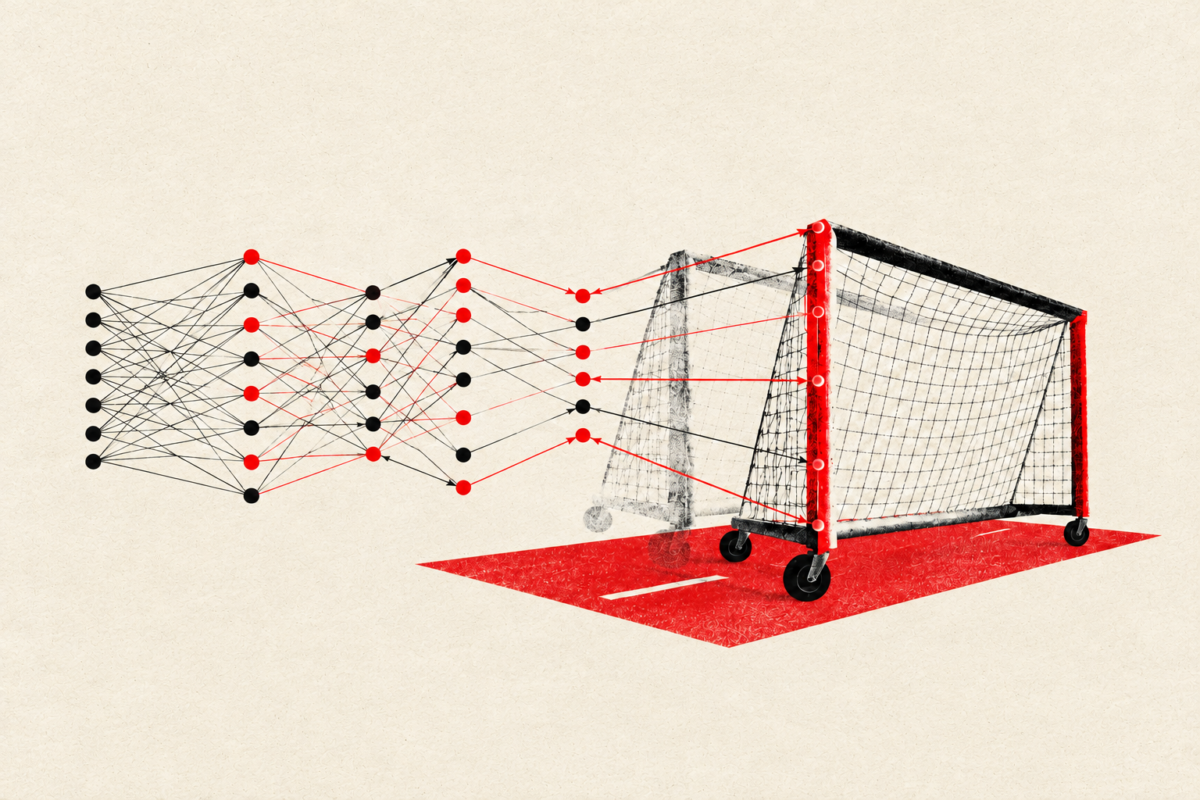
Owen Queen and James Zou tested 50 widely cited LLM claims against 20 models released between July 2024 and September 2026 by eight developers. 44 percent had expired and another 34 percent had weakened significantly.
Why it matters
Published findings about AI models age fast, so papers should present results as observations about specific model versions rather than general truths, the researchers argue.
WHO IT HITSAI researchers and teams that cite academic benchmarks when choosing models may be relying on results that no longer hold, since the study shows findings can expire within about 15.7 months on average.
Summaries like this, every morning.
The study compares a 2023 finding by Walters and Wilder, in which GPT-3.5 fabricated 55 percent of its scientific references, with the same prompts sent to current models. GPT-6.1 Sol fabricated 0 percent and Claude Sonnet 5.5 came in at 1 percent, while Qwen3.7-Flash still fabricated 69 percent, showing that improvement is not uniform across developers.
The researchers also warn against reading such gains as an all-clear. On two-hop questions that require combining two known facts, Claude Sonnet 5.5 still fails in about 10 percent of cases where it correctly answers both individual questions, compared with 43 percent reported for ChatGPT in the original paper.
Results vary widely even within the same release window, and neither release date, provider, nor model size reliably predicts the pattern. Queen and Zou point to a post by Andrej Karpathy on how perception gaps about LLM behavior affect trust and usage, and recommend that papers document model, version, and date and publish prompts and analysis code so findings can be re-tested.
Pick your industry and the AI tools you use, and get news related to your work every day.
Free · 30 seconds with Google · unsubscribe anytimeWhat is AIToday? →
Ask AI anything about this article. The AI reads this article, earlier AIToday articles, and Wikipedia, and cites its sources. Q&As are published on this page for other readers too.
Google will turn off Search for schools that reject its A.I

IBM's Ritika Gunnar said its AI operating model combines four components — data, workloads, automation and hyb…
Dell and Microsoft expanded their partnership to integrate Dell Automation Platform and Private Cloud with Azu…

Apple said in its annual filing that AI agents can act autonomously — accessing systems, executing code, sendi…

Verizon is working with Ericsson to integrate AI into RAN automation, with a nationwide rollout of Ericsson’s…

Elizabeth Warren and four House Democrats sent CEO Chris Kempczinski a Nov