Cognition raised over $1 billion at a valuation north of $26 billion, led by Lux Capital, General Catalyst, and 8VC, joined by Founders Fund and Ribbit Capital. This valuation more than doubles the $10 billion valuation from September 2025, when Devin raised $400 million.
Devin is an AI software developer (an agent that writes and manages code autonomously). Cognition reports $492 million in annualized revenue and tenfold enterprise usage growth this year, with clients including Citi, Mercedes-Benz, Goldman Sachs, Dell, and the U.S. military. Internally, 89 percent of Cognition's code is now written by Devin, up from 13 percent in December 2025.
The funding reflects investor appetite for AI coding agents, though their real-world value remains debated. Developer George Hotz has called AI agents 'the most costly mistakes' in software development history.
Ask the AI about this article →
For example, today's edition would include:
AI-summarized, only the topics you pick — one digest a day via Email, Slack, or Discord.
Free · takes 30 seconds · unsubscribe anytimeWhat is AIToday? →
Ask AI anything about this article. Q&As are published on this page for other readers too.
Phonely Ltd. launched Alma, a large language AI model built for voice agents and trained on over 10 million re…

Aranya Inc., a startup founded last year, launched today with $11 million in funding

CBTS Technology Solutions LLC launched Forge Agents, a platform that turns a plain-language job description in…

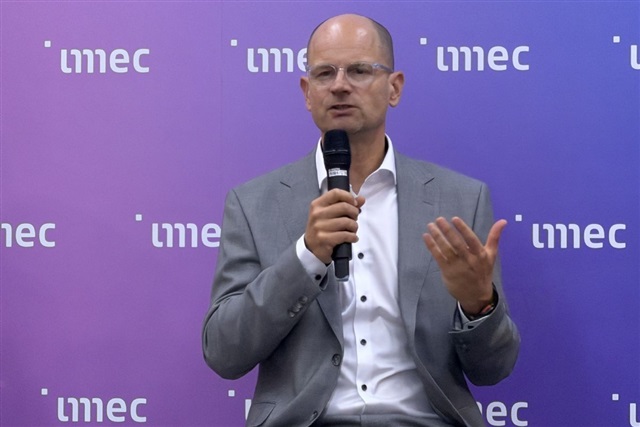
Imec CEO Patrick Vandenameele said at SEMICON Taiwan 2026 that the Belgian research center is broadening its c…
Alphabet's AI Overviews now reach over 2.5 billion monthly users through Google Search, and its ad business ge…
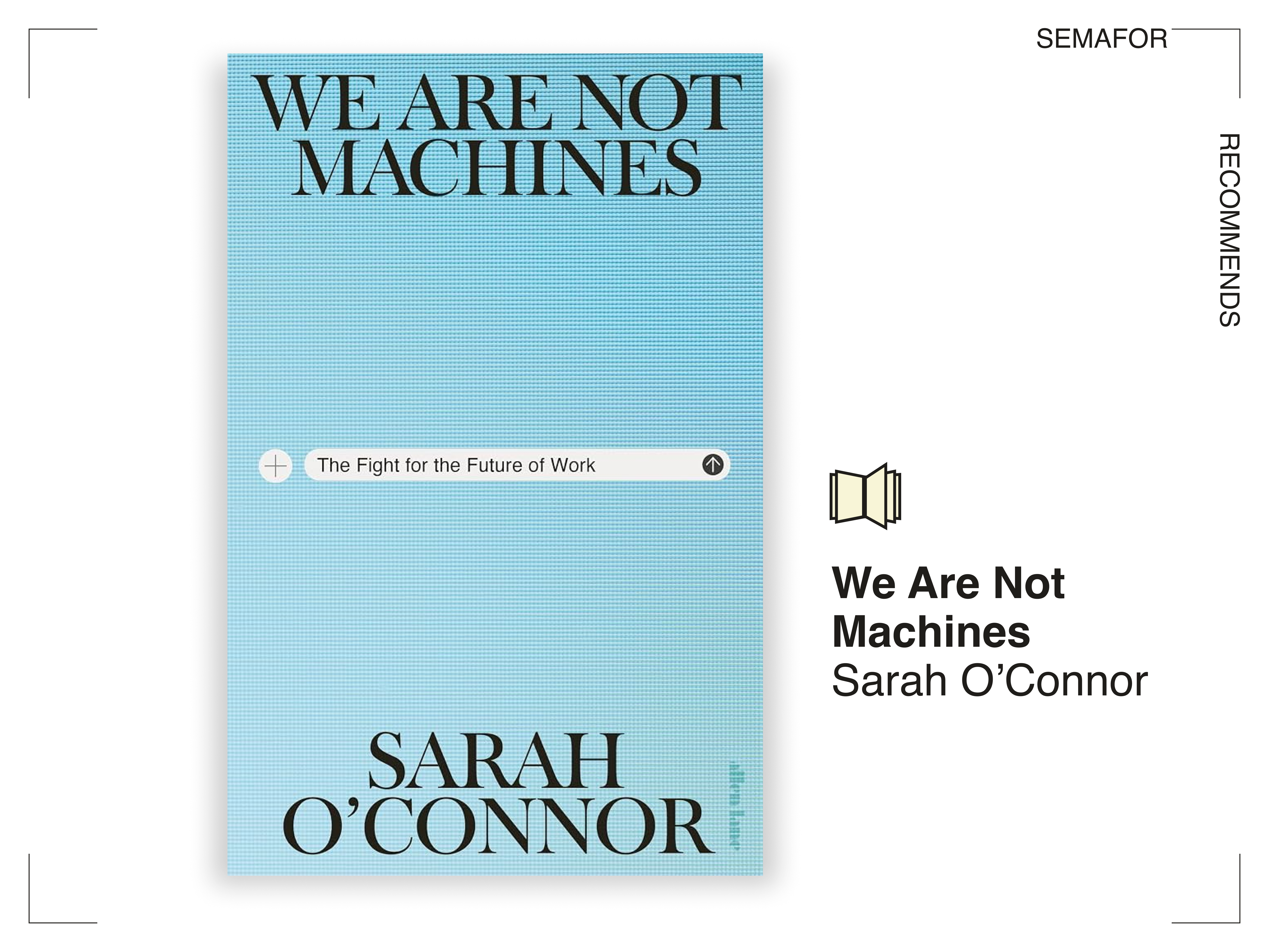
Sarah O’Connor's book 'We Are Not Machines' explores how mechanization and AI have transformed the workforce…