What happened
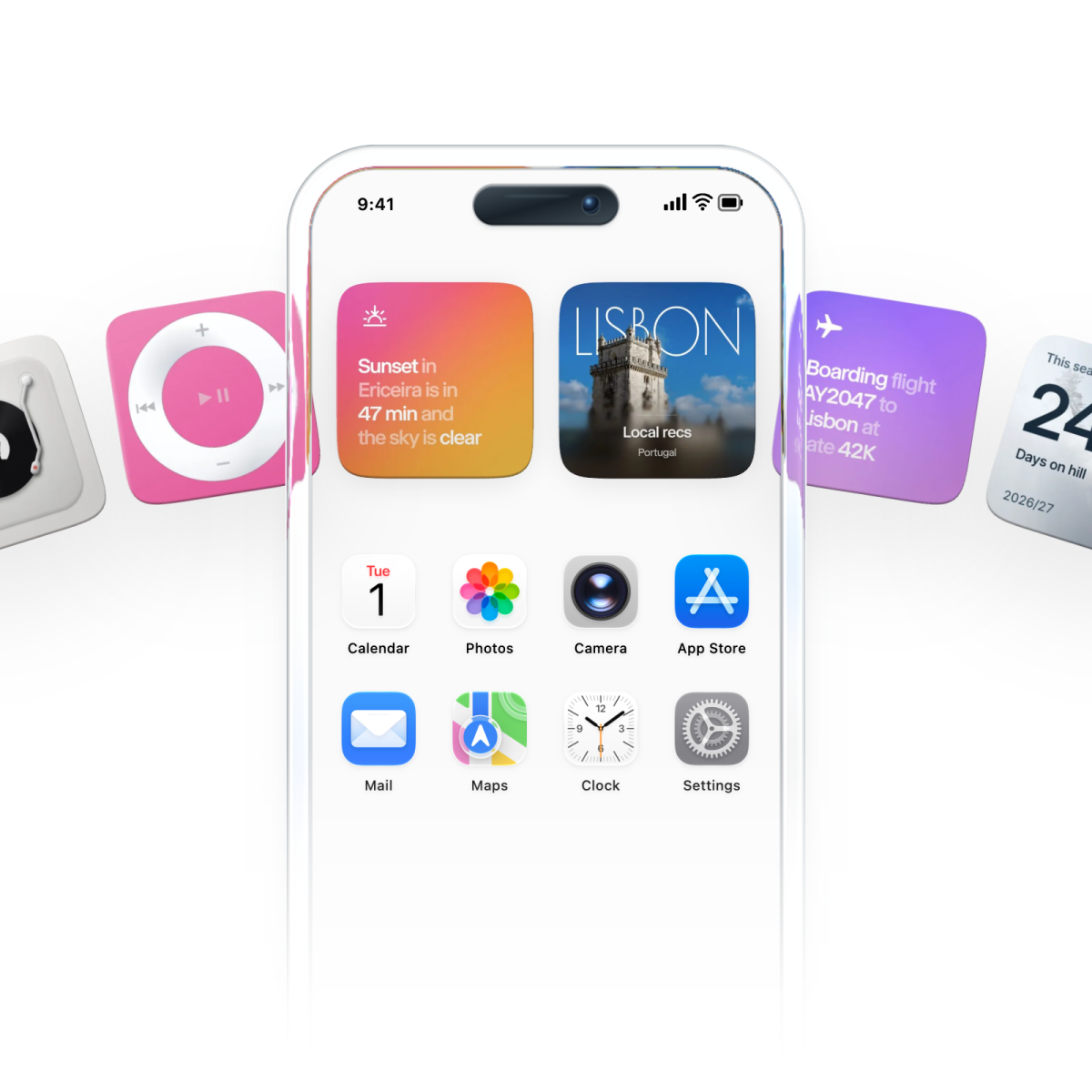
Eugenia Kuyda officially launched Wabi for all users on Monday. It is free, works as a messenger app, and the agent builds custom apps inside separate threads.
Why it matters
Kuyda is betting that multi-threaded, shared chats keep context manageable as conversations grow, avoiding the hallucination and context-loss that can plague long single-thread chats.
WHO IT HITSPeople who want a personal AI assistant that organizes tasks into separate, shareable group chats may find Wabi's approach appealing, though it remains free with no business model settled yet.
Summaries like this, in your inbox every morning.
Kuyda's path from Luka to Replika to Wabi spans more than a decade. She presented IO at TechCrunch Disrupt twelve years ago, before deep learning breakthroughs enabled today's large language models. Luka eventually became Replika, the AI chatbot companion company, and Kuyda left as CEO last year to start Wabi.
Wabi's initial launch last year, alongside a $20 million pre-seed round, positioned it as a social platform for creating and sharing mini apps. Over the past year, the team found that while people like personal software, they may not want to spend time building it. With Wabi 2.0, the agent decides what apps to build, automatically spinning up threads and apps when a user connects an email account.
Kuyda emphasizes the multiplayer, multi-threaded design as a differentiator, allowing shared chats that function as group chats where users can share information selectively. The company is in talks to raise more funds as it works out a business model.
Pick your industry and the AI tools you use, and get news related to your work every day.
Free · 30 seconds with Google · unsubscribe anytimeWhat is AIToday? →
Ask AI anything about this article. The AI reads this article, earlier AIToday articles, and Wikipedia, and cites its sources. Q&As are published on this page for other readers too.
MiniMax released M3.1 Flash, which scores 42 points on the Artificial Analysis Intelligence Index, 13 points a…
Anthropic's study of its own workforce found 80% of elapsed Claude session time was agents waiting on human in…

The piece lays out IBM's five-type classification by mechanism — simple reflex, model-based reflex, goal-based…

AINOW published a comparison of 17 AI agents as of October 2026, covering pricing, free-trial availability, an…

Personal AI agents from OpenAI’s Dots and Meta’s Muse are visiting websites at scale; Muse was downloaded 5 mi…

Nick Cammarata of Goodfire published a 26,000-word blog post arguing that LLMs may be far easier to understand…