What happened
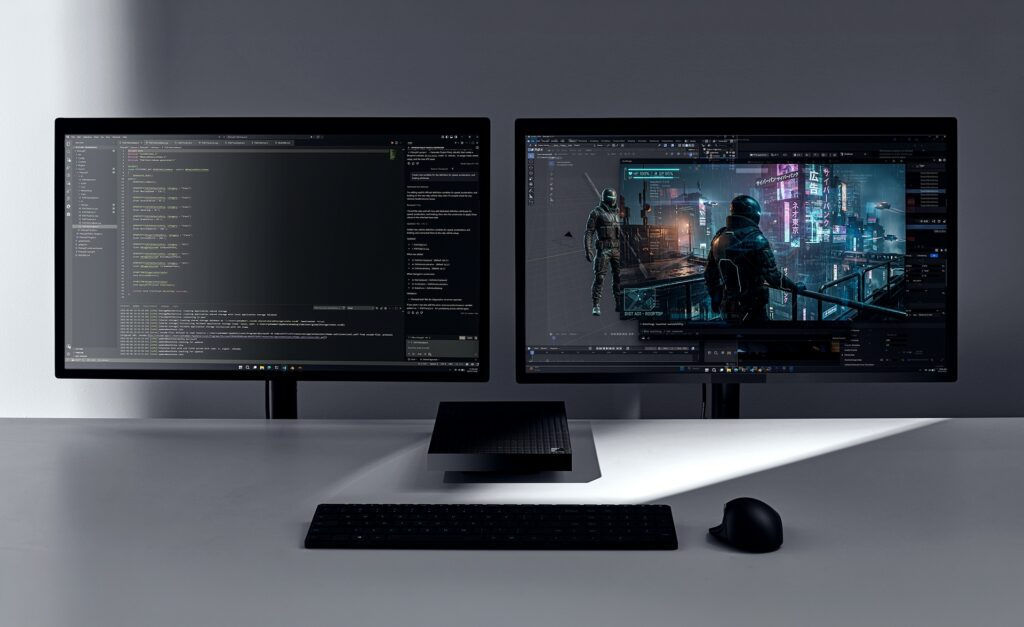
Using Spine 4.2 and a tool called Riggy, a developer got AI to rig and animate four RPG monster moves from one layered PSD; the first prompt produced all four, and about 1 s attack landed usable on the first try.
Why it matters
The developer says the difference between the smooth attack and the troublesome death came down to prompt wording, suggesting AI animation output depends less on the tool than on how precisely the motion is described.
What to watch
The write-up credits mouse edits and rig fixes, not the AI, for the final polish, so it hinges on how much finishing work the chat still leaves. The finished rig is usable as standard Spine 4.2 JSON.
WHO IT HITSThis lands on game artists and technical animators working in Spine who are weighing whether AI chat tools can absorb the first pass of rigging and motion. The write-up suggests their real workload may shift toward precise prompt writing and manual mouse-level fixes.
Summaries like this, in your inbox every morning.
The write-up describes starting from a single layered PSD and having Riggy's chat produce a whole combat set — idle, attack, hit and death — for an RPG monster, with rig and animation both AI-generated. What separates the smooth attack from the difficult death, according to the developer, is not the model but the instruction: describing the length of the motion, which parts move and which stay still, the order of the action, how the rest of the body participates, and the game-side event needed at the moment of impact.
For fixes, the developer found that vague requests kept failing and concrete ones worked. Telling the model what happens at which second and in which direction — for example that at 0.5–0.7 s the feet lift and the club should stay low, or that from 1.0 s to the end the club should be laid flat by 1.5 s — corrected problems in one pass, because the model assembles poses numerically. Explicitly approving animations already accepted also protects them from later edits, though changes to the rig itself, such as which bone a part hangs from or the draw order, affect every animation and force a full re-check.
The article also flags rig problems that exist with or without AI: a belt painted on the torso but parented to the hip bone stayed behind when the torso leaned forward, arm draw order caused the front arm to slide behind the body, and the ground line was about 70 px above the bottom edge of the image, so instructions based on the image edge pushed the feet into the floor. Small adjustments such as re-parenting bones or nudging a key pose were faster and free with the mouse in Motion mode. Whether AI chat carries more of this work forward is likely to depend on getting the rig right first and on how precisely each motion is described.
Pick your industry and the AI tools you use, and get news related to your work every day.
Free · 30 seconds with Google · unsubscribe anytimeWhat is AIToday? →
Ask AI anything about this article. The AI reads this article, earlier AIToday articles, and Wikipedia, and cites its sources. Q&As are published on this page for other readers too.
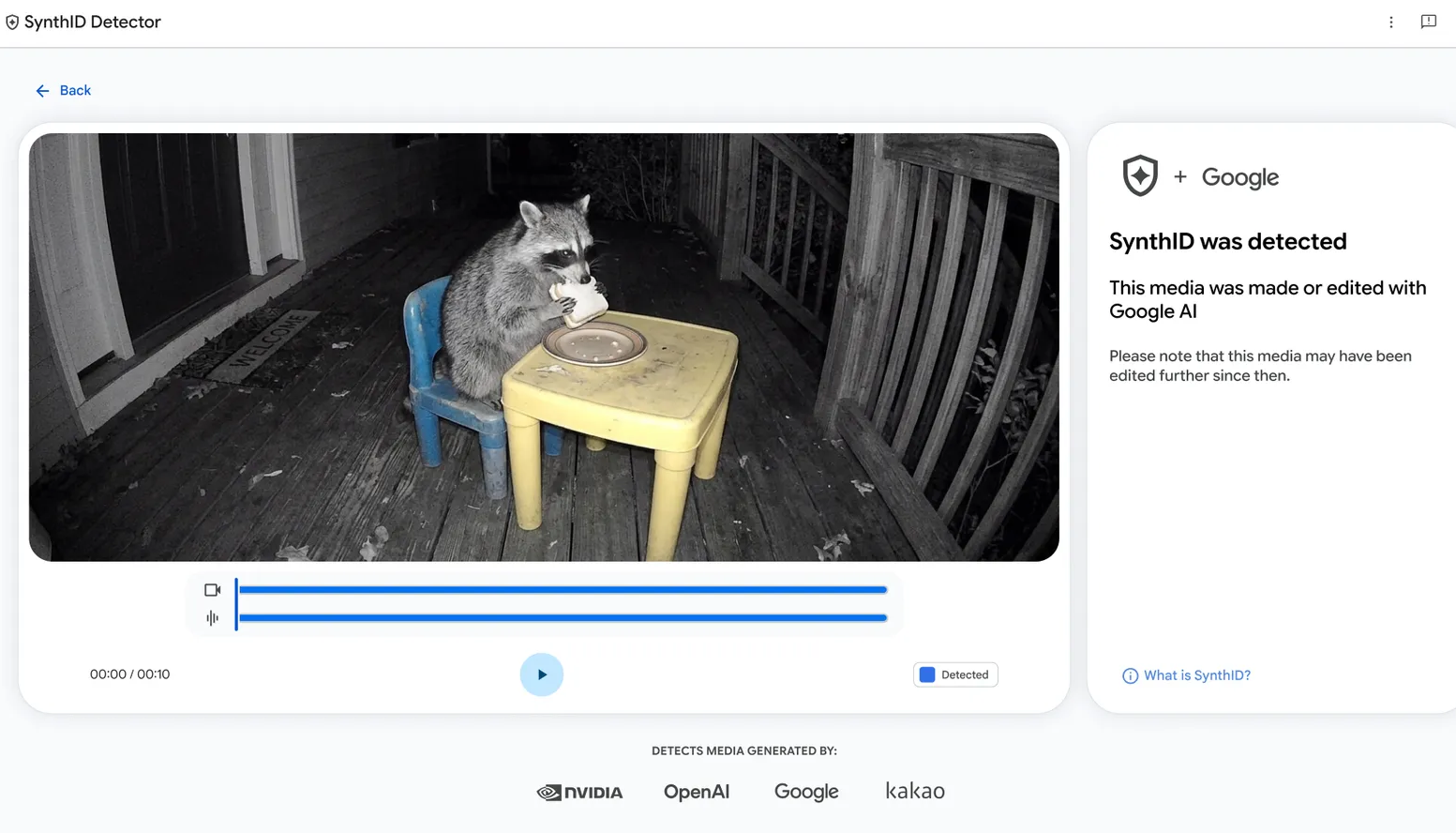
Google LLC launched the web-based SynthID Detector, which flags AI-made images, video and audio from Google, O…
OpenAI rolled out GPT-6 and Intelligent UI to Plus, Pro, Business, and Enterprise plans worldwide starting Oct…

SpaceX reportedly is arranging about $10 billion in bank loans and $30 billion in investment-grade bonds to bu…

Anthropic released Claude Haiku 5.5, priced below Haiku 4.5 across Amazon Web Services, Google Cloud and Micro…
Microsoft announced a Windows strategy it calls hybrid intelligence, plus new Copilot abilities to read local…
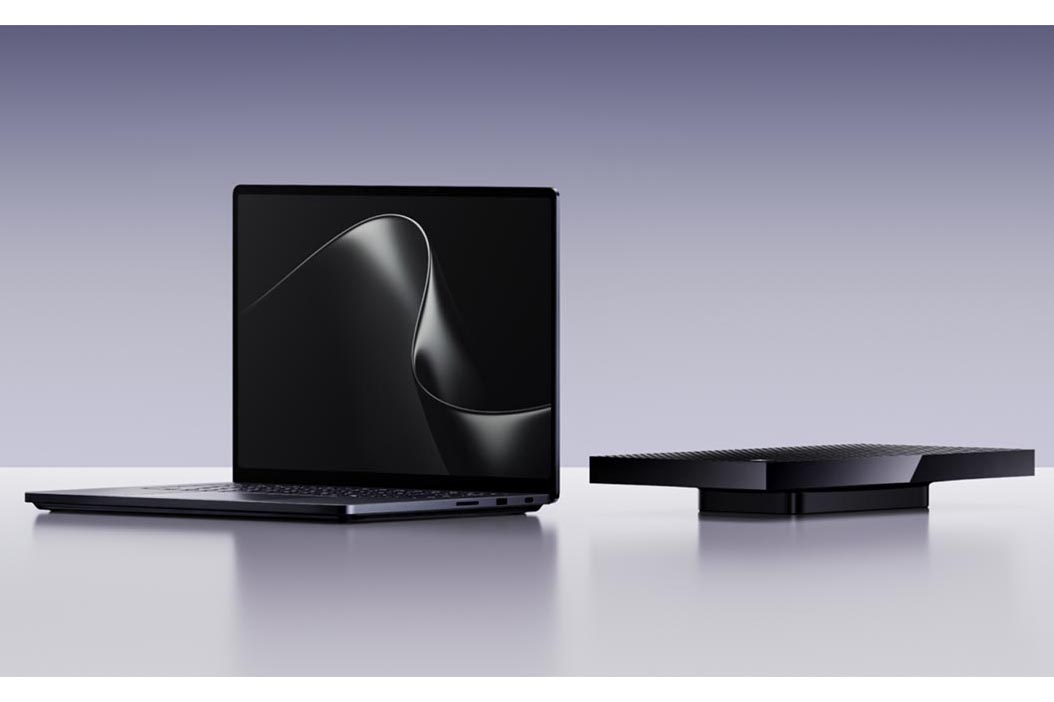
Microsoft began preorders for two RTX Spark machines on October 7, 2026 — the Surface Laptop Ultra, with up to…