What happened
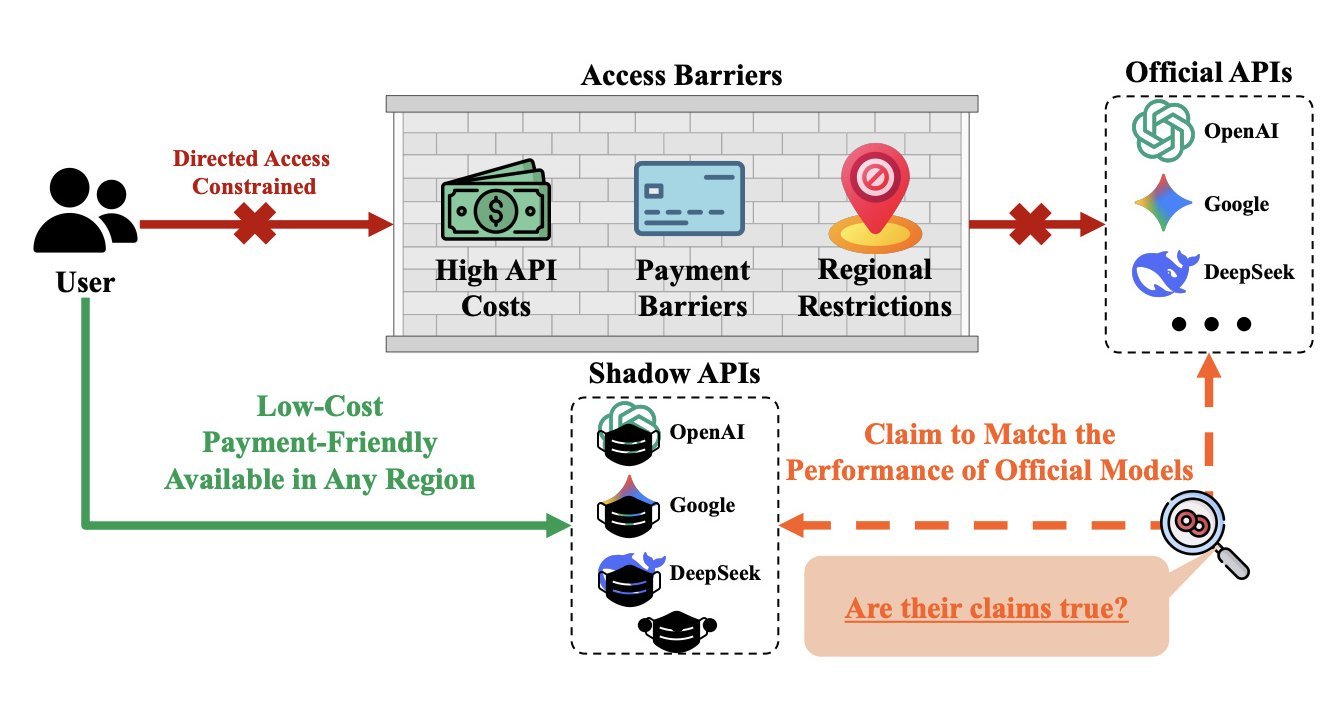
Researchers from CISPA and the University of Waterloo identified 17 shadow APIs used in 187 academic papers; fingerprinting found 11 of 24 endpoints (45.83%) were not the model advertised, including 'GPT-5' endpoints matching GLM-4-9B or Qwen2.5-7B.
Why it matters
For researchers who rely on these cut-price intermediaries because official APIs are costly or region-blocked, results may reflect a model other than the one they believe they are testing, undermining reproducibility.
Summaries like this, every morning.
The study, titled "Real Money, Fake Models: Deceptive Model Claims in Shadow APIs," arrives as researchers increasingly turn to unofficial channels to access models like GPT-5 and Gemini-2.5 that are costly or restricted in certain regions. The team found that 15 of the 17 shadow APIs were run by individuals with opaque identities, and 4 had already ceased operations, highlighting the instability of these services as a research foundation.
The fingerprinting results are particularly striking: endpoints sold as GPT-5 or GPT-4o-mini matched the fingerprints of cheaper open-source models such as GLM-4-9B and Qwen2.5-7B, and requests to DeepSeek-Reasoner behaved like DeepSeek-Chat without a thinking mode. Separately, even when fingerprints matched the advertised model, accuracy on medical and legal benchmarks fell sharply in some cases, suggesting that substitution is not the only risk.
With about 62% of the 187 papers using these APIs accepted at peer-reviewed venues like ACL, CVPR, and ICLR, the findings raise questions about the reliability of results that depend on shadow APIs. The concentration of users at Chinese institutions points to access restrictions as a key driver, and the unpredictable safety-test deviations add another layer of concern for researchers assessing model behavior.
Pick your industry and the AI tools you use, and get news related to your work every day.
Free · 30 seconds with Google · unsubscribe anytimeWhat is AIToday? →
Ask AI anything about this article. The AI reads this article, earlier AIToday articles, and Wikipedia, and cites its sources. Q&As are published on this page for other readers too.
With Google Chrome's Modern Web Guidance plugin loaded, Claude Opus 5.5 wrote 2,740 JavaScript lines across 16…

A paper by University of Macau and The Hong Kong Polytechnic University researchers tested web-application dev…
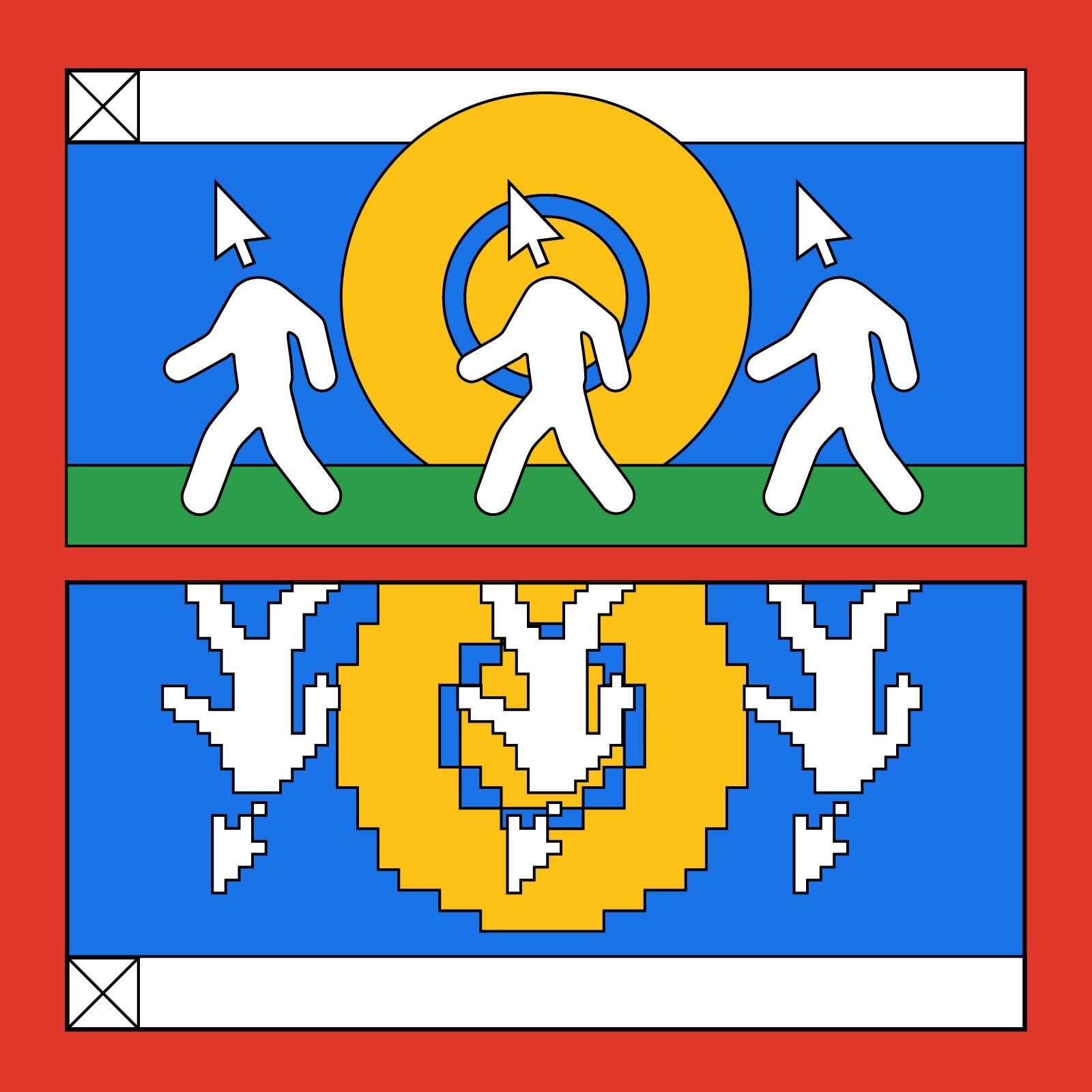
Google detailed the Mirror Dimension, an isolated replica internet with social media, shopping and bank dashbo…
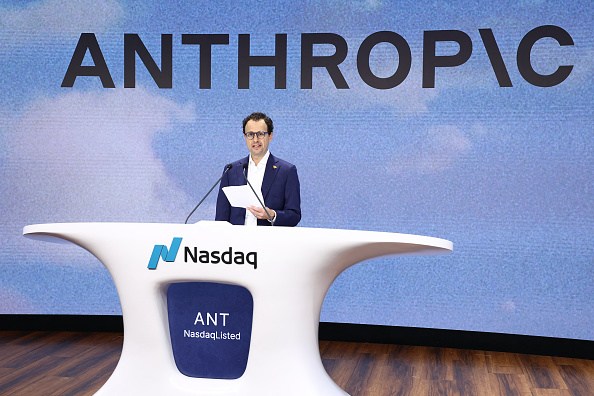
On IPO day, Dario Amodei told the Nasdaq opening bell crowd Anthropic will pace training and deployment of its…
Meta employees said Muse mixed up chats across accounts and surfaced messages and bank balances they never sha…

Anthropic's shares began trading on the Nasdaq at $111.50, 33% above the $83 IPO price set Wednesday, which wa…