
What happened
An essay cites Nick Bloom's research showing sustaining Moore's law now needs more than eighteen times as many researchers as the early 1970s, while research productivity fell forty-one-fold economy-wide since the 1930s.
Why it matters
If execution, not ideation, is the bottleneck today, then AI's biggest near-term contribution may be doing the boring institutional work that turns ideas into reality, the essay argues.
What to watch
The outcome hinges on whether AI can invent more efficient complements to itself, or whether physical experiments stay slow, a question the essay leaves open.
WHO IT HITSThis lands on research leaders, R&D managers, and institutional investors who allocate budgets between hiring geniuses and funding the unglamorous operational infrastructure that actually delivers results.
Summaries like this, in your inbox every morning.
The essay, part of a new platform to host independent voices exploring an AGI future, frames a tension that has been building for decades. It points to the James Webb Space Telescope—a ten-billion-dollar observatory built by three hundred organizations across fourteen countries—as proof that frontier science now demands far more than a few brilliant minds. The underlying research by Nick Bloom and coauthors quantifies this: the technician workforce is growing twice as fast as the scientists, specialized equipment use has doubled over four decades, and a chip fab today is five times as costly as thirty years ago.
What makes the argument notable is its implication for AI. The essay suggests that as AI grows capable of arriving at brilliant insights on its own, it may supply both agendas and labor, potentially exploding the number of worthwhile ideas beyond what any infrastructure can absorb. This could shift the scarce input from execution toward taste—the ability to decide what is worth making. But the essay also allows for the opposite: that physical reality may impose hard limits, making institutional intelligence more valuable than genius.
The stakes hinge on whether thought can travel far before it must make fresh contact with reality. For business leaders, the practical read is that the next wave of AI value may accrue less to those chasing breakthrough creativity and more to those who can coordinate the sprawling, unglamorous machinery of execution—or to those who can innovate leaner ways to do it.
Pick your industry and the AI tools you use, and get news related to your work every day.
Free · 30 seconds with Google · unsubscribe anytimeWhat is AIToday? →
Ask AI anything about this article. The AI reads this article, earlier AIToday articles, and Wikipedia, and cites its sources. Q&As are published on this page for other readers too.
Google announced Gemini 4 Argon on September 30, saying DeepMind's own evaluation beat GPT-6 Astra, Claude Fab…
OpenAI dismissed three researchers, according to reports, after highly confidential information was shared wit…

Anthropic PBC reportedly aims to begin marketing its IPO the week of Nov
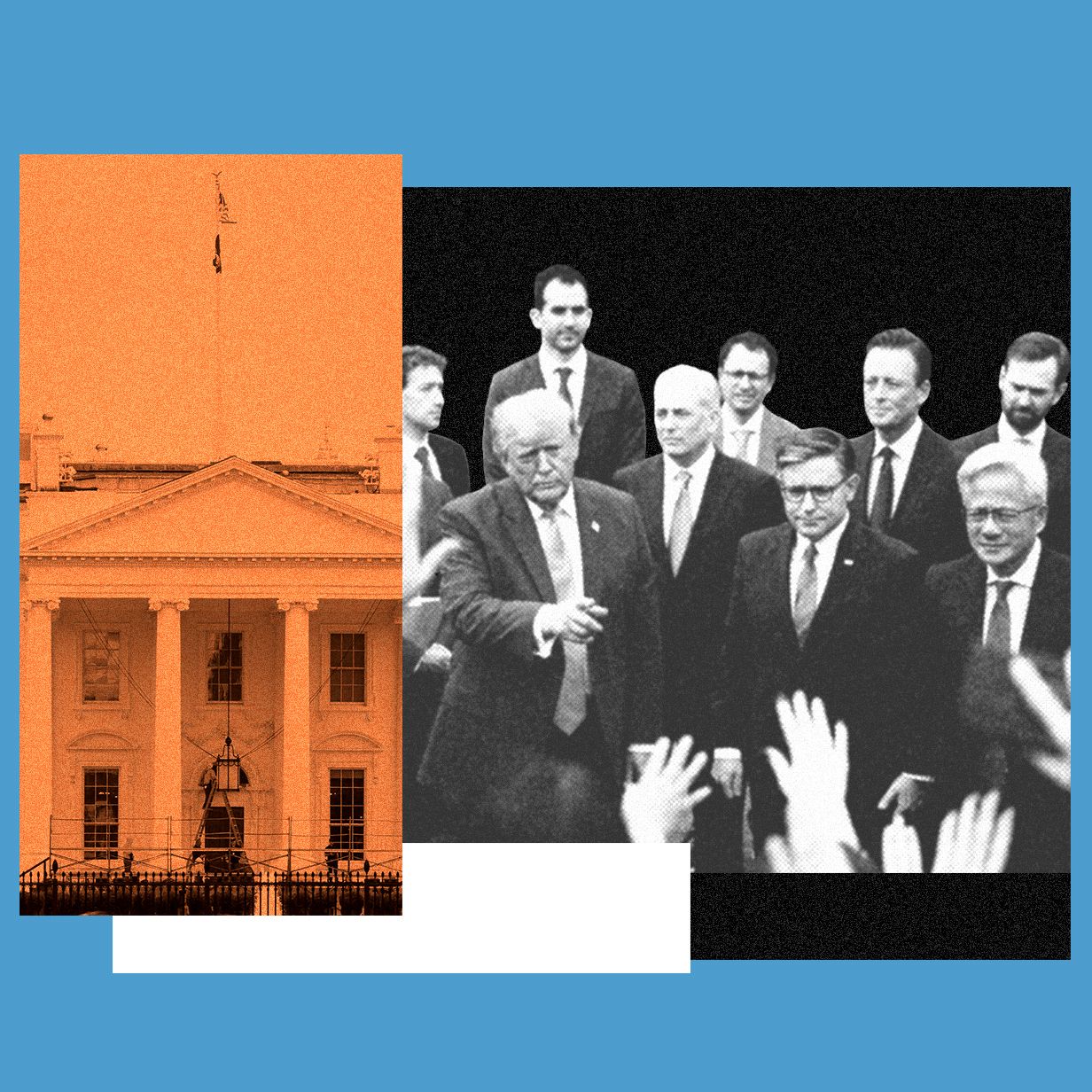
AI CEOs huddled around US president Donald Trump on Tuesday to sign an AI safety accord
Palo Alto Networks' Idira shipped August features to govern AI agents — MCP access policies limiting which too…

A US government AI chatbot rewrote Minecraft's "End Poem" into a bureaucratic satire, according to BigGo Finan…