What happened
A Zenn write-up lays out a Windows 11 setup where CLAUDE.md maps the working folder and the AI appends each new file itself, while `claude -p` runs once on a schedule via Task Scheduler.
Why it matters
The arrangement shows how a solo practitioner can give Claude Code standing context and a fixed, time-triggered job, so a new conversation does not have to re-explain the workspace.
Summaries like this, in your inbox every morning.
The write-up is less a product announcement than a field report on making Claude Code behave like a stable workspace. The central move is to keep the AI out of the deterministic parts: the author's scheduled job collects data with Python, then wakes the AI once to read that data, and the AI is allowed to write only into the record notebook. Tools are narrowed from the start, so the unattended run cannot post, send or log in. That preference for narrowing what the AI can do, rather than trusting it to behave, recurs in the hooks and skills sections: hooks run outside the model's memory, and skills attach a name to a procedure so it can be recalled by description rather than by exact command. The closing section acknowledges the limits—visual design remained hard to delegate, and a filename collision caused overwrites on same-day runs—which keeps the piece in the register of a working log rather than a polished guide.
Pick your industry and the AI tools you use, and get news related to your work every day.
Free · 30 seconds with Google · unsubscribe anytimeWhat is AIToday? →
Ask AI anything about this article. The AI reads this article, earlier AIToday articles, and Wikipedia, and cites its sources. Q&As are published on this page for other readers too.
DeepSeek released DeepSeek-V4.1-Flash-1017, a “minor update” that reduces task execution time and output lengt…
NEC's Kei Noguchi described how employee engagement fell to 19%, with 8 in 10 staff saying they wanted to leav…

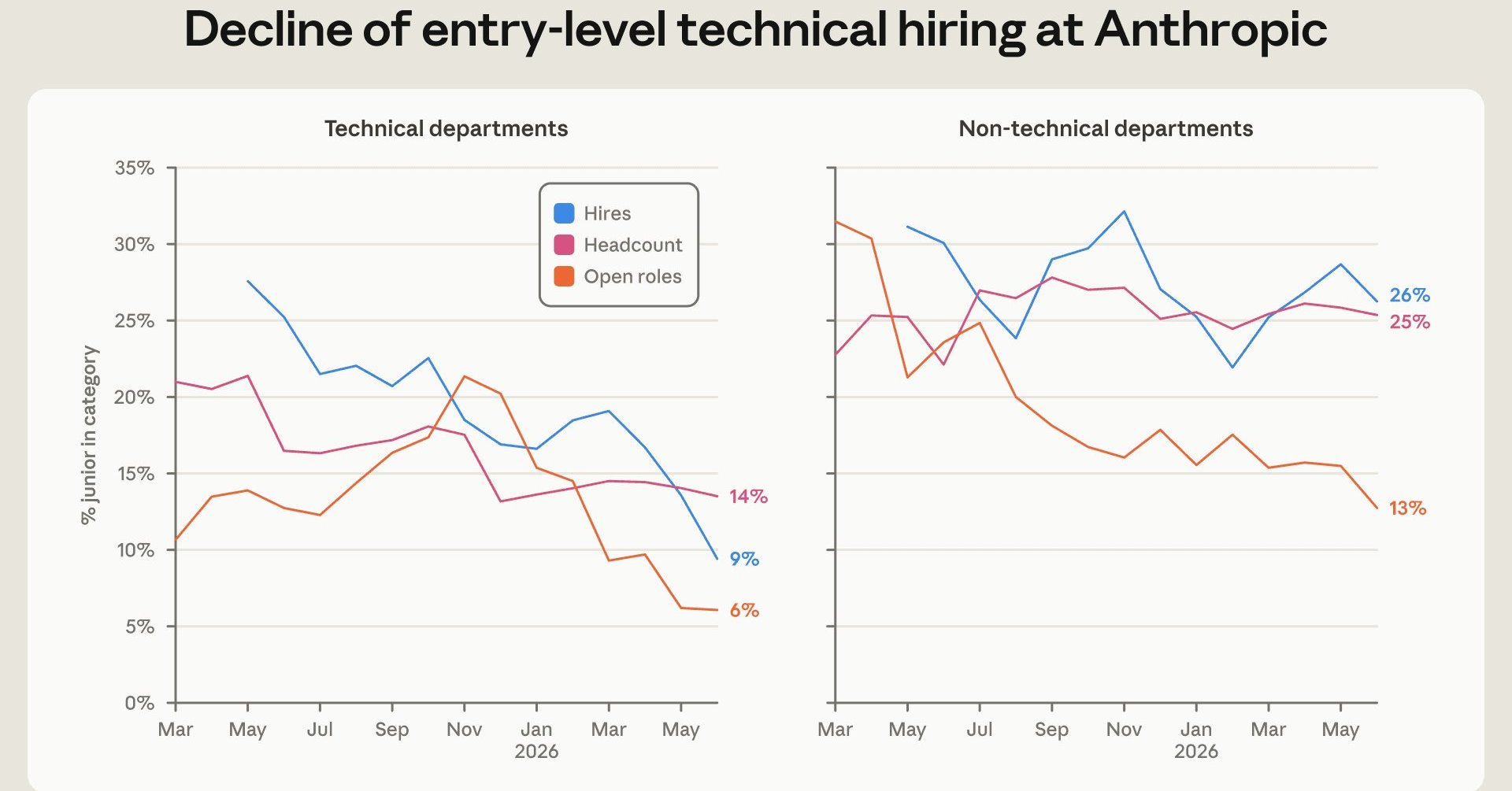
Anthropic's internal report says entry-level workers fell from 21% to 14% of technical staff, and entry-level…
Simon Willison shipped llm-echo 0.5, a debug plugin whose "echo" model involves no LLM at all and just repeats…
On October 13 (US time), Apple announced HomeView, a $299 smart home display running Siri AI and HomeKit but w…
The author detailed a Python script that uploads MP3 audio to Google Cloud Storage (GCS), transcribes it with…

