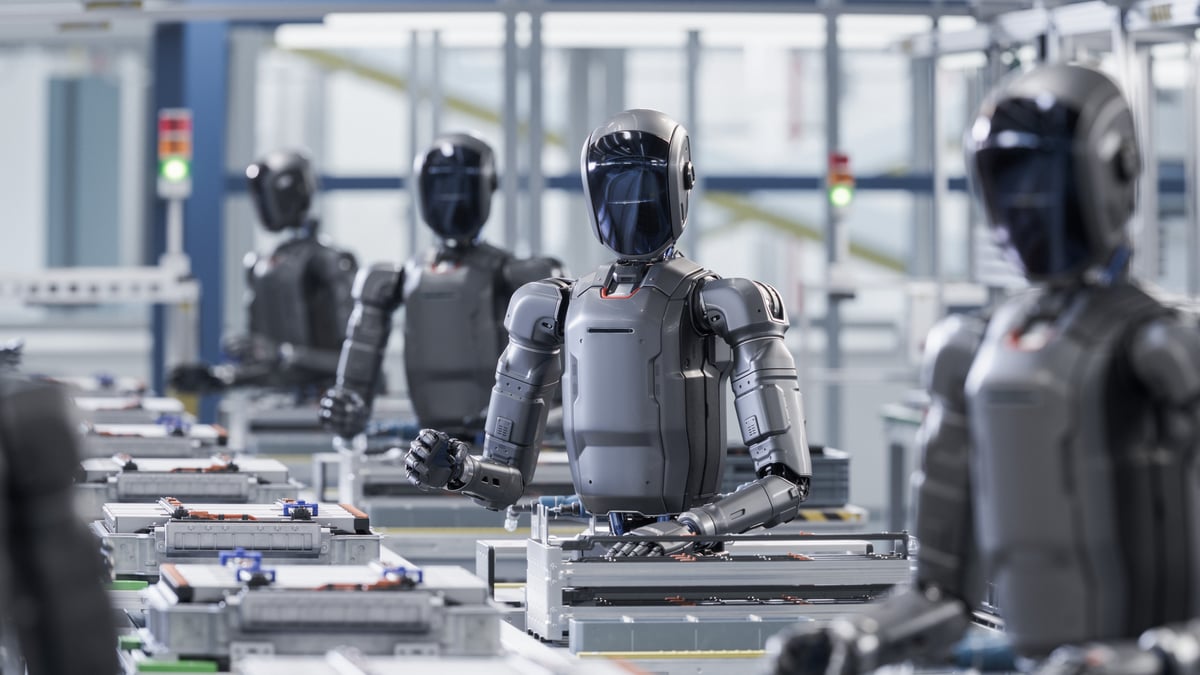
What happened
The Motley Fool's writer chose Nvidia over Tesla for robotics upside by 2030, citing its 2026 GTC roster of ABB Robotics, Agility, FANUC, Figure, Universal Robots, KUKA, and Medtronic building on its platform.
Why it matters
Nvidia's full-stack robotics platform spans chips, open models, simulation tools, and standard robot computers, which could give it a recurring revenue stream from many partners rather than depending on one robot.
What to watch
The payoff hinges on whether a real wave of humanoid robots reaches factories and logistics, since without that adoption Nvidia's shared-toolkit approach may not translate into the several revenue streams the writer projects by 2030.
WHO IT HITSIndividual investors weighing Tesla and Nvidia shares, and robotics teams at manufacturers and healthcare firms evaluating whose chips, simulation tools, and standard robot computers to build on.
Summaries like this, in your inbox every morning.
The writer's pick rests on a structural difference between the two companies' robotics ambitions. Nvidia is not betting on one robot; it aims to supply the brains, tools, and training grounds for many different types of robots across factories, warehouses, hospitals, and labs. The building blocks it has been rolling out fit together: Cosmos world models generate synthetic environments for robots to learn in, Isaac frameworks such as Isaac Lab let developers teach skills in simulation before real-world deployment, and Jetson Thor and Jetson T4000 modules serve as standard robot computers running Nvidia's chip architecture onboard.
Tesla's path looks different. Its AI and robotics team describes a general-purpose humanoid capable of unsafe, repetitive, or boring tasks, but Tesla is pursuing that while expanding self-driving and robotaxi plans, managing a global car and energy business, and building AI computing infrastructure and factories. Demand for its vehicles, pricing decisions, regulatory issues, and factory execution all influence how much time, money, and attention the robot program receives.
The stakes therefore hinge on whether the next several years bring a real wave of humanoid robots into factories and logistics. If that wave materializes, the writer would rather own the supplier of technology and brains behind dozens of machines than a single humanoid product effort. If it does not, Nvidia's shared-toolkit strategy may not yield the several robotics-related revenue streams the writer projects by 2030.
For example, today's edition would include:
AI-summarized, only the topics you pick: one digest a day via Email, LINE, or Slack.
Free · 30 seconds with Google · unsubscribe anytimeWhat is AIToday? →
Ask AI anything about this article. The AI reads this article, earlier AIToday articles, and Wikipedia, and cites its sources. Q&As are published on this page for other readers too.
TheCUBE will cover Dell’s AI Leadership Symposium on Sept

NetApp INSIGHT will air on theCUBE on Sept

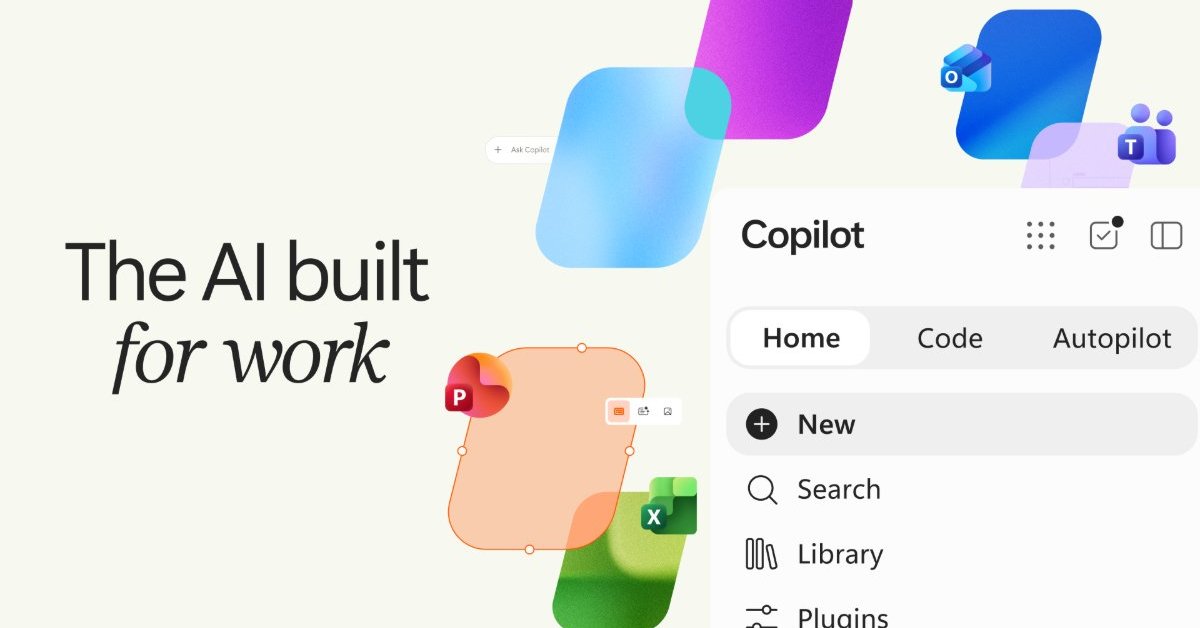
Microsoft said the rebuilt Microsoft Copilot app is built on three tabs — Home, Code and Autopilot — with "Off…
Tracom, a recruiting-support company, reported that as of July 17, 2026 it had cut document creation from 32 h…
Disney named Karandeep Anand, outgoing CEO of Character.AI, as its first-ever chief technology officer, effect…

Amazon raised its 2026 capital-spending forecast to about $220 billion, largely for AI and cloud infrastructur…