What happened
OpenAI detailed in a blog post how Habitat, its storage platform on Azure Cosmos DB, now serves over 1 billion users across 40 regions; median global read latency fell from roughly 120 ms to roughly 10 ms.
Why it matters
The latency cut lets product teams avoid building complex client-side caching and request batching, speeding up product development.
WHO IT HITSProduct and infrastructure teams at OpenAI no longer need deep database knowledge or manual capacity planning, and can ship features faster with lower latency for end users.
Summaries like this, every morning.
OpenAI's Habitat began as a simple client library and database and grew into a globally distributed storage platform. In Part II of its series, OpenAI explains that it initially relied on Azure Cosmos DB's built-in primitives but ran into problems with partition key collisions, noisy neighbors, and weak partitions as data grew. The company then tried single-tenant containers for isolation, but that approach made capacity planning a burden for every product team. OpenAI ultimately shifted back to a multi-tenant design after working with Azure to add hot key throttling, request tiering, and an improved serverless mode. These changes eliminated the need for manual provisioning while preserving isolation between workloads.
OpenAI also describes how its relationship with Azure evolved. As one of the largest users of Azure Cosmos DB, OpenAI found that managed services become less managed at its scale, and outages in late 2024 exposed gaps in failover testing. The two teams now jointly monitor every layer from service down to physical storage, share dashboards, and can page each other directly without going through support tiers. This co-engineering was critical to stabilizing the system.
On performance, OpenAI focused on read-heavy workloads, which represent over 90% of Habitat requests. It replicated small latency-sensitive datasets widely, integrated a distributed cache using Azure Cosmos DB's change feed for invalidation, and rewrote the Habitat service in Rust. Together these changes brought median global read latency down from roughly 120 ms to roughly 10 ms. OpenAI says it plans to address the remaining slowest requests by placing data closer to where it will be accessed as more capacity comes online.
Pick your industry and the AI tools you use, and get news related to your work every day.
Free · 30 seconds with Google · unsubscribe anytimeWhat is AIToday? →
Ask AI anything about this article. The AI reads this article, earlier AIToday articles, and Wikipedia, and cites its sources. Q&As are published on this page for other readers too.
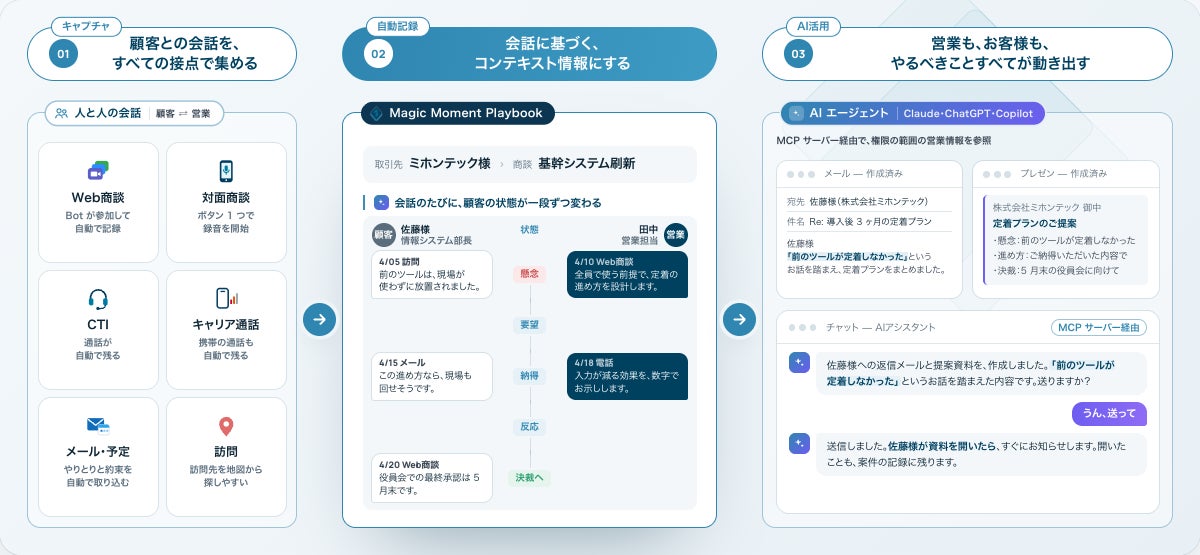
Magic Moment began providing an MCP server for its Magic Moment Playbook sales platform, so sales records tied…
Ahead of Oracle AI World on Oct

World, co-founded by Sam Altman, this week announced tools that let people link their proof of humanity to an…

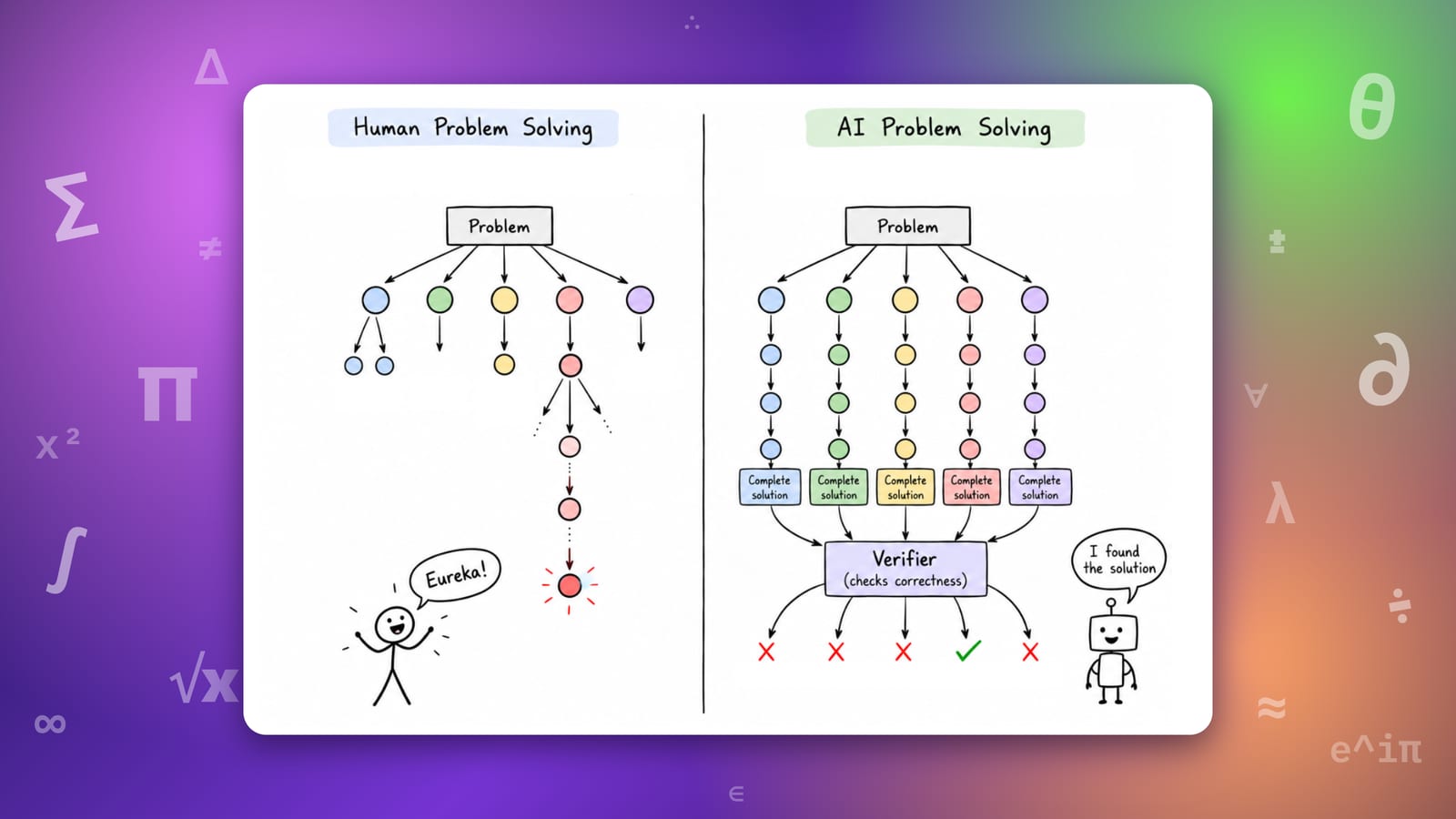
In commentary on the unit-distance proof, Jacob Tsimerman, recently hired by OpenAI, said AI's edge is that it…
METR and Redwood Research spent three weeks on-site at OpenAI and found an estimated 6 to 25 percent of intern…

Anthropic says its unreleased research model outperforms Mythos 5.1 in capability and alignment, halting ongoi…