What happened
The S&P 500 fell 4.3% and the Nasdaq Composite 5.5% on Nov. 5, erasing $2.9 trillion and $2.5 trillion respectively — their largest single-day market-cap declines on record.
Why it matters
The selloff followed midterm elections that swept in governors vowing to restrict data center construction, raising doubts about how quickly the artificial intelligence boom will continue.
Summaries like this, every morning.
The selloff was triggered by midterm elections that put several governors into office vowing to restrict data center construction and seated congressional candidates skeptical of AI in Washington. The resulting doubt about how quickly the artificial intelligence boom can continue hit Wall Street hard: the S&P 500 and Nasdaq Composite posted their largest single-day declines in market capitalization on record, and the Nasdaq Composite is now 11.9% below its record high, placing it in correction territory.
Historical patterns argue for a rebound. Since 1950, the S&P 500 has averaged a 15% return in the six months following midterms, the strongest such period in the four-year presidential cycle, according to Carson Investment Research. With the index finishing October at 7,580, that average would imply 8,717 by April 30, 2027 — about 19% upside from 7,353. Separately, the Nasdaq Composite has entered correction territory 10 times in the last decade, including now, and has averaged a 21% return in the 12 months after its first close in correction territory since 2016; after entering correction in March 2026, it had already advanced 14% before the recent drawdown.
The S&P 500 is currently 5% below its high, and under such circumstances the index has returned a median of 6% over the next three months, per Goldman Sachs. It suggests investors can get exposure through the Vanguard S&P 500 ETF (VOO), the Fidelity Nasdaq Composite ETF (ONEQ), or the Invesco QQQ Trust (QQQ), noting QQQ's lower expense ratio and greater liquidity, and its 15.8% annual gain over 20 years versus 13.6% for ONEQ.
Pick your industry and the AI tools you use, and get news related to your work every day.
Free · 30 seconds with Google · unsubscribe anytimeWhat is AIToday? →
Ask AI anything about this article. The AI reads this article, earlier AIToday articles, and Wikipedia, and cites its sources. Q&As are published on this page for other readers too.
The Nasdaq Composite fell 5.3% on Nov

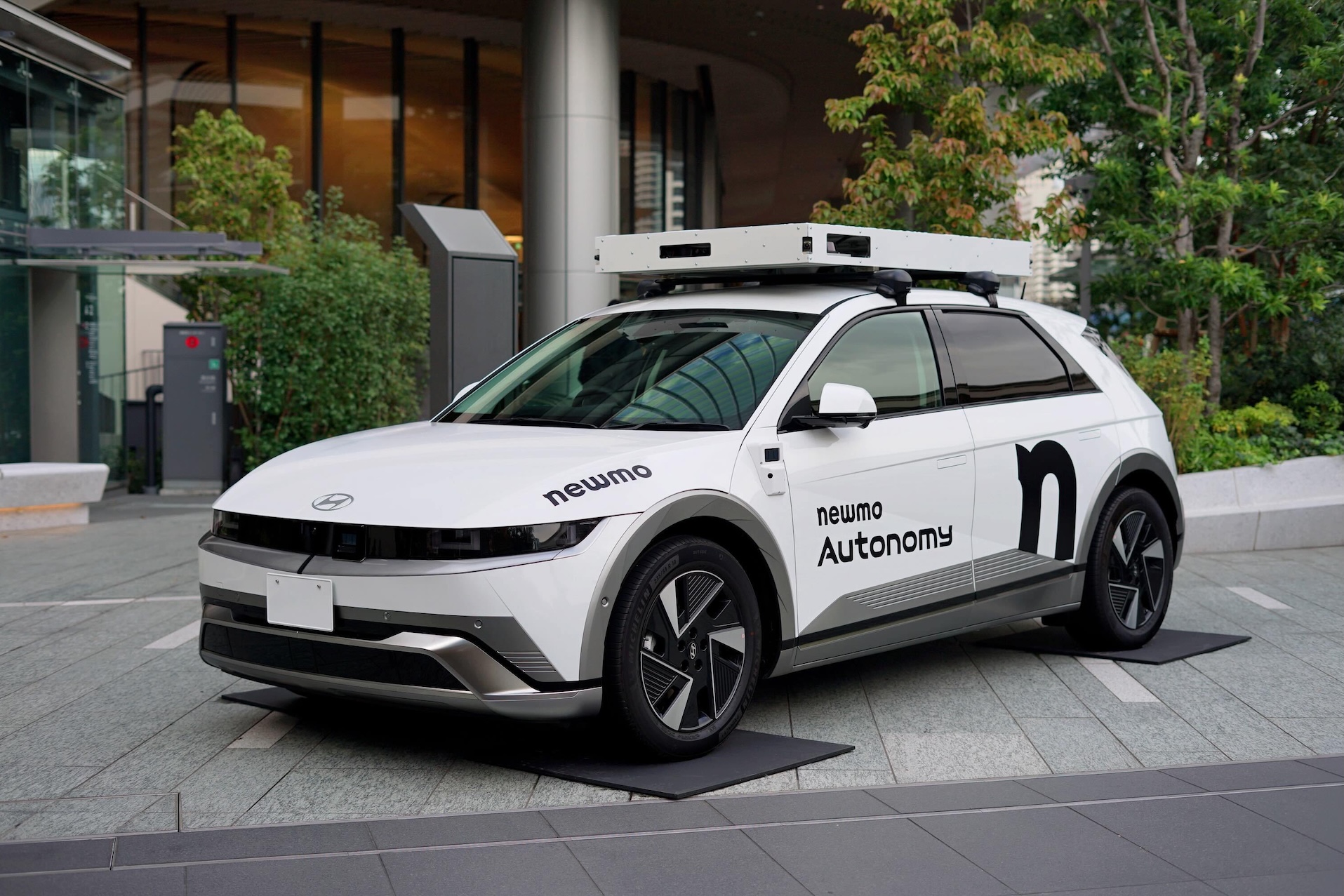
newmo and KDDI said on November 6 they signed a capital tie-up for autonomous taxis, with KDDI Smart Mobility…
The Nasdaq 100 fell 6.4% on Thursday, a record $2.3 trillion of market cap wiped out, while the Philadelphia s…

Hitachi Energy is expanding its partnership with Celonis, the process-intelligence leader, to scale AI use acr…

KJ Holdings, which runs the Kawaijuku Group, signed an MOU with Seoul-based IHFB in October 2026 to jointly st…
Spesia added an "AI consultation on data and measures" chat to Flowgent, its Amazon operations analysis system