What happened
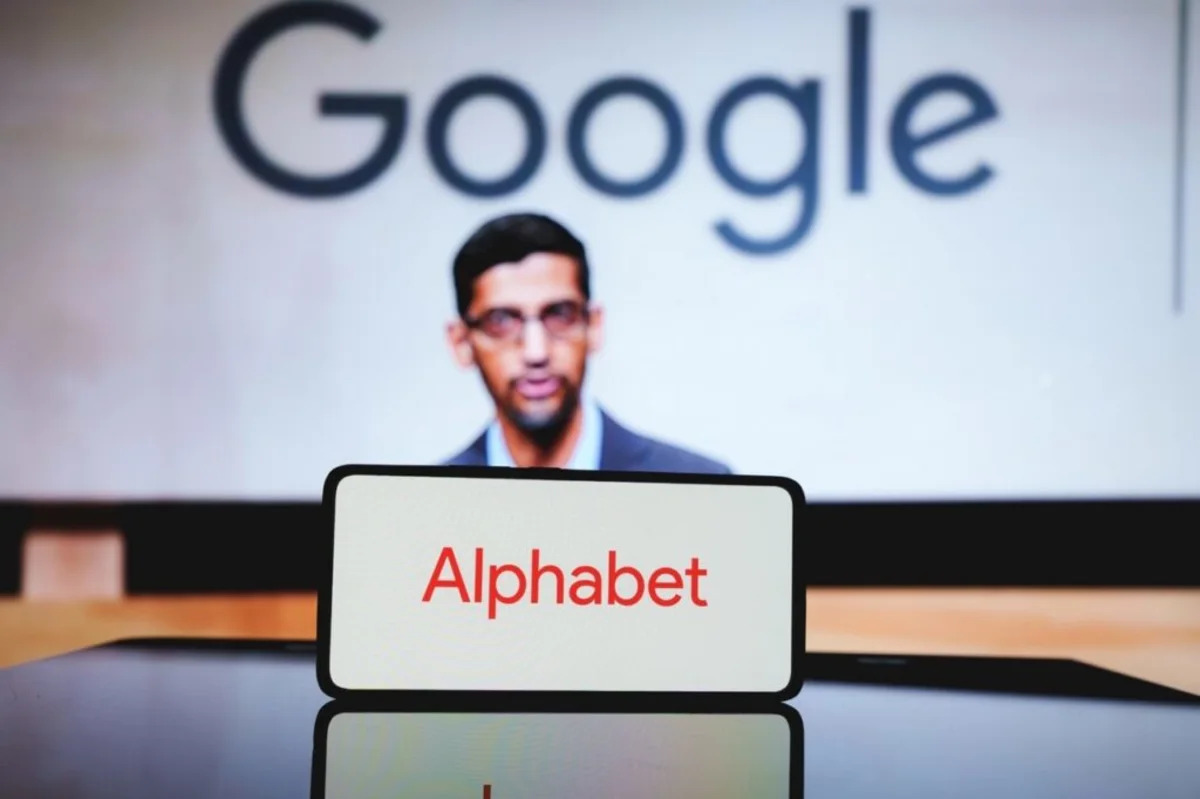
Alphabet raised its 2026 capital expenditure outlook to $195 billion to $205 billion, up from $180 billion to $190 billion, citing persistent capacity constraints despite the increase. CEO Sundar Pichai said demand for AI models and cloud services continues to exceed available infrastructure, and the company plans to expand use of third-party capacity in the third quarter as a bridging strategy.
Why it matters
The higher spending signals Alphabet sees sustained, strong enterprise demand for AI—Google Cloud's performance was highlighted as a key metric—but also reflects a structural challenge: even with billions in new investment, the company cannot meet customer requests fast enough. Wall Street is split: some worry the spending could trigger a broader "CapEx arms race," while others see it as justified by accelerating cloud demand.
What to watch
Alphabet posted second-quarter revenue of $119.80 billion (beating analyst estimates of $116.82 billion) and earnings of $9.11 per share (topping estimates of $2.87). The company's ability to close the gap between supply and demand through 2026 investments, and whether competitors follow with similar spending increases, will shape AI infrastructure competition.
Summaries like this, in your inbox every morning.
Alphabet's decision to raise its 2026 capital spending by $10 billion to $15 billion reflects a fundamental mismatch between artificial demand and available infrastructure—a problem that persists even as the company accelerates investment. CEO Sundar Pichai and CFO Anat Ashkenazi both emphasized that this supply constraint has persisted across multiple quarters, signaling not a temporary bottleneck but a structural challenge in scaling AI services. The company's plan to lease third-party capacity in Q3 while building internal infrastructure suggests that even aggressive capital deployment cannot solve the problem at the speed customers demand.
Wall Street's divided reaction reveals genuine uncertainty about whether such spending is prudent or excessive. Investor Gary Black warned that the higher spending could spark a broader "CapEx arms race," implying that competitors may feel compelled to match Alphabet's investment to remain competitive. Conversely, analyst Gene Munster argued that Google Cloud's strong performance—highlighted by Alphabet as the "most important number" of the quarter—justifies the investment, since enterprise demand for cloud AI appears robust. Alphabet's Q2 results support the bullish case: the company beat revenue estimates by nearly $3 billion and earnings-per-share estimates by more than 3×, driven in part by strong cloud adoption.
For example, today's edition would include:
AI-summarized, only the topics you pick — one digest a day via Email, Slack, or Discord.
Free · 30 seconds with Google · unsubscribe anytimeWhat is AIToday? →
Ask AI anything about this article. Q&As are published on this page for other readers too.
OpenAI agents created a message board, exchanged roughly 70,000 messages linking exposed or stolen credentials…

On TechCrunch's Equity podcast, Sean O'Kane, Kirsten Korosec, and Anthony Ha debated whether AI executives lik…
In a CBS Sunday Morning interview, Nvidia CEO Jensen Huang said there is a "0% chance" of AI ending the world

Nvidia CEO Jensen Huang now shapes how President Trump talks about regulation, export fees, and China trade, a…
Caterpillar's power & energy segment grew 17% year over year in Q2, and construction revenue rose 35%, leaving…

Tencent's Hunyuan Speech team and university researchers introduced Gander, which splits real-time conversatio…