What happened
AWS published a guide and sample repo showing Crawl4AI crawling public sites and writing Markdown plus metadata sidecars to Amazon S3 for Amazon Bedrock Knowledge Bases to ingest.
Why it matters
Teams that need finer control over page content, or custom metadata filters for retrieval, can add a preparation step instead of relying solely on the built-in connector.
Summaries like this, every morning.
The guide positions Crawl4AI as an optional preparation layer upstream of Amazon Bedrock Knowledge Bases, not a replacement for AWS's managed web connector.
The workflow runs on a schedule: Amazon EventBridge triggers an AWS Fargate task, which crawls public sites, writes Markdown and metadata sidecars to Amazon S3, and then starts an ingestion job. Crawl4AI's role ends once those files are in S3; from that point, Amazon Bedrock Knowledge Bases handles parsing, chunking, embedding, indexing, and retrieval.
The sample is transparent about its limits. It adds no retry policy, dead-letter queue, or alarm, and an ingestion job can report COMPLETE even when some documents fail. Uploads are additive, so removing a URL from the crawl configuration does not delete its existing S3 objects. Teams considering the pattern for production would need to add monitoring and a cleanup process for stale content.
Pick your industry and the AI tools you use, and get news related to your work every day.
Free · 30 seconds with Google · unsubscribe anytimeWhat is AIToday? →
Ask AI anything about this article. The AI reads this article, earlier AIToday articles, and Wikipedia, and cites its sources. Q&As are published on this page for other readers too.
On 2026年10月25日, TUKURO began offering AITUKAO, a workspace for small and mid-sized businesses that runs ChatGP…

Klarna announced in February 2024 that within one month its OpenAI-based assistant handled two-thirds of custo…

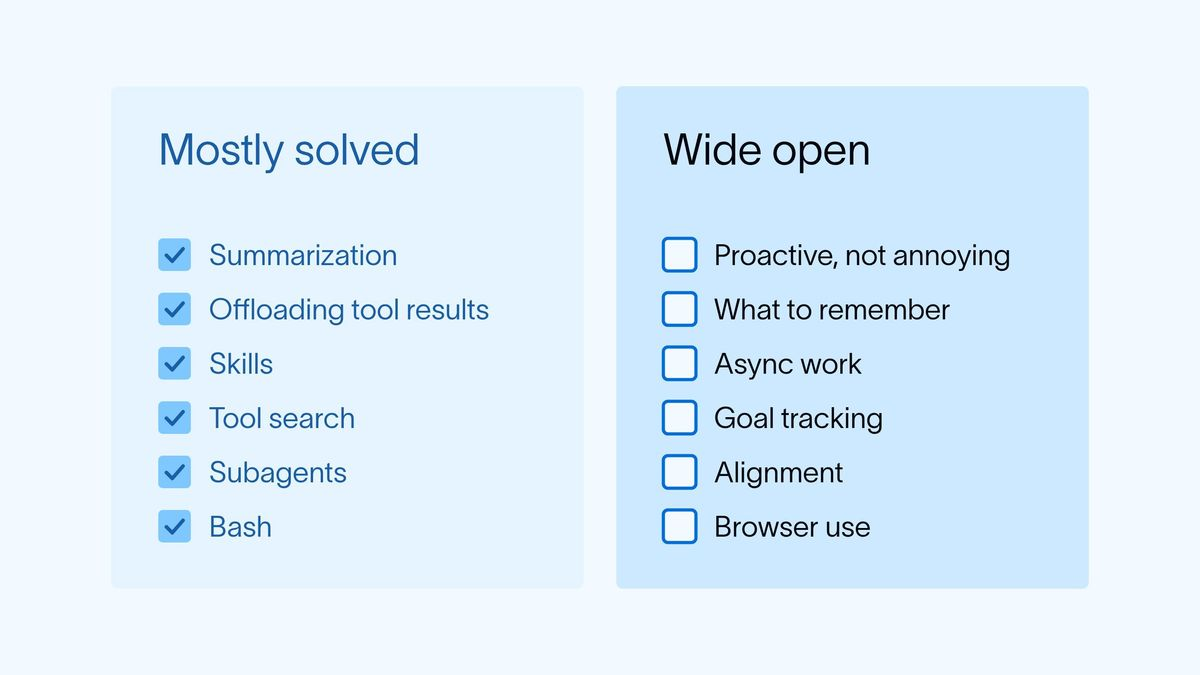
LangChain CEO Harrison Chase says every agent builder he has spoken with is now thinking about proactive, alwa…
Software engineer Addy Osmani confirmed Anthropic added two sentences to Claude Code's prompt on Opus 5.5, tel…

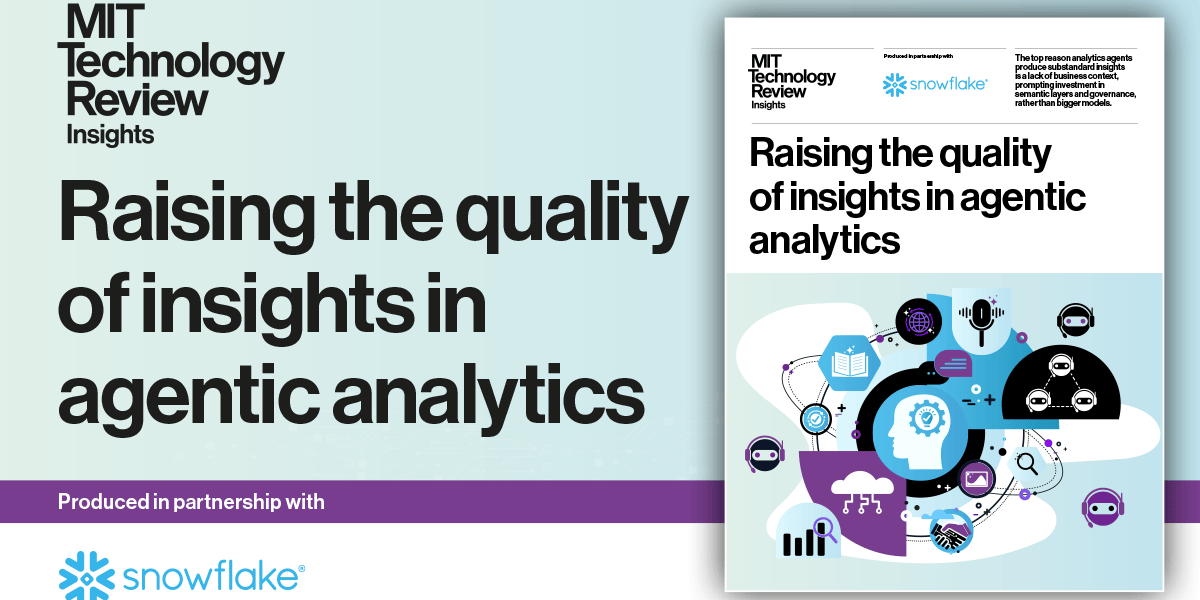
A survey report found that on average, 48% of insights generated by analytics agents lead to actions that impr…
Anthropic added two sentences to Claude Code's system prompt on Opus 5.5 to steer it away from recreating some…