
What happened
Anthropicは、自社モデルClaudeの内部に「J空間」と呼ぶ領域を発見したと発表しました。この空間には、最終出力には現れないが、モデルが問題を推論する過程に影響を与えている言葉が存在し、Claudeはこの空間内の言葉を記述・操作することもできます。
Why it matters
機械論的解釈可能性の研究において、Anthropicはこれまで以上に深くAIの内部機構を理解しようとしています。J空間の監視により、偏った回答や不正行為の検討など、通常は見逃される望ましくない行動をモデルが取っていることを検知できる可能性があります。
What to watch
Anthropicは、この発見が複雑な数学的処理を可視化する専門的な解析ツール開発までの道のりにおける一つの前進であると位置付けており、現時点では理論段階です。J空間と人間の脳の意識領域との比較は実験設計に役立つツールとしていますが、両者が完全に対応しているわけではないとしています。
Summaries like this, in your inbox every morning.
Anthropic has positioned itself as uniquely committed to understanding how large language models work at a deep level. CEO Dario Amodei has argued that without fuller understanding of how LLMs operate, they cannot be completely controlled. The discovery of J-space fits this broader research mission, which the company pursues more intensively than many other AI firms.
The finding also reflects a narrative Anthropic has cultivated: that it creates deeply mysterious technology but is also uniquely positioned to demystify it. The company has previously warned that new model coding abilities pose a global cybersecurity risk—only to be blocked by the U.S. government shortly afterward—illustrating this pattern. The J-space research similarly announces a profound finding while framing Anthropic as the authority best equipped to handle its implications.
However, the practical utility remains uncertain. The article notes that while monitoring J-space could theoretically detect unwanted behaviors—hidden bias, internal deliberation about fraud—these remain theoretical possibilities. The senior editor conducting the analysis emphasizes that this advance should be understood as a step forward in the broader project of understanding AI rather than an immediately deployable solution. The research also raises the familiar challenge of explaining AI systems: lacking precise technical vocabulary, researchers borrow metaphors from neuroscience and psychology, which can unintentionally suggest capabilities and behaviors more sophisticated than what the model actually exhibits.
Pick your industry and the AI tools you use, and get news related to your work every day.
Free · 30 seconds with Google · unsubscribe anytimeWhat is AIToday? →
Ask AI anything about this article. The AI reads this article, earlier AIToday articles, and Wikipedia, and cites its sources. Q&As are published on this page for other readers too.
ElevenLabs completed a $300 million employee tender at a $22 billion valuation, and co-founder Mati Staniszews…
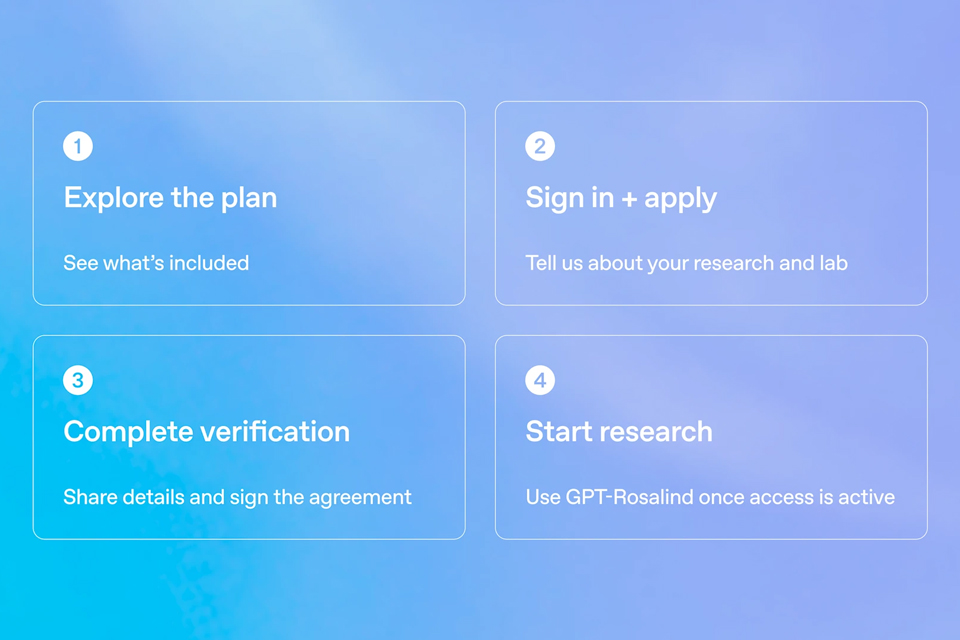
On October 15, OpenAI announced the Rosalind Academic Plan, giving approved US university labs free access to…
A Qiita article compared automated red-teaming methods for LLM apps — GCG, PAIR, and TAP — using mock implemen…

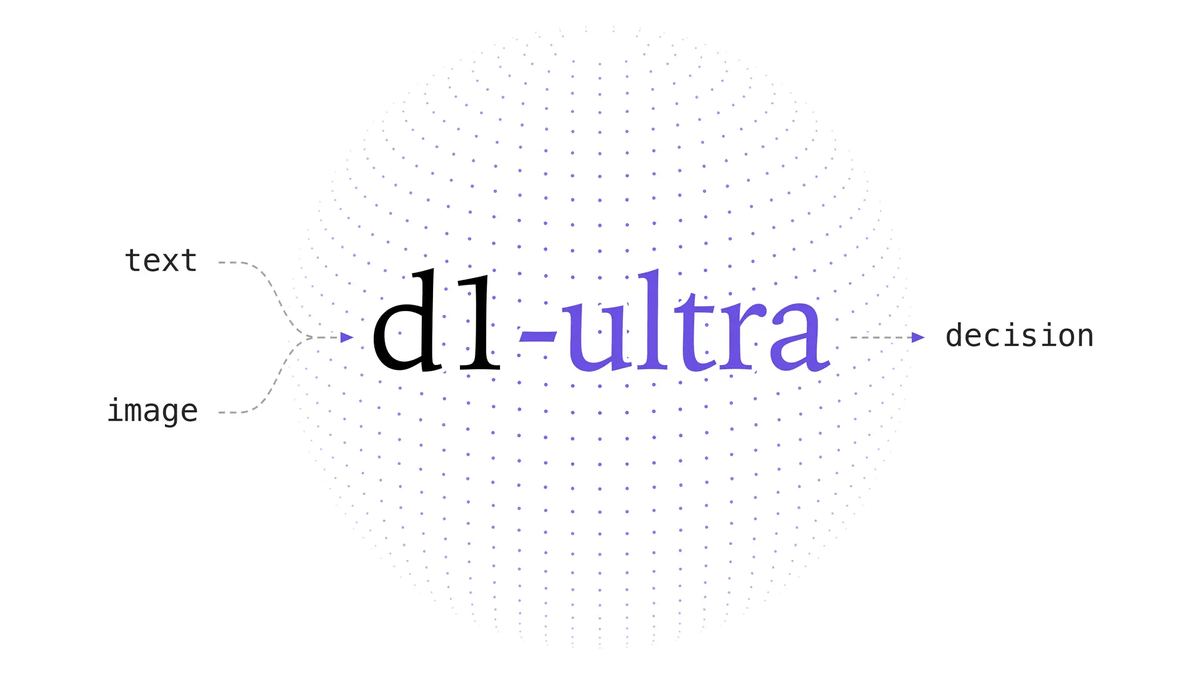
Liquid AI released d1-ultra on October 15, 2026, an upgraded open-weights decision model that averaged 76.7 ac…
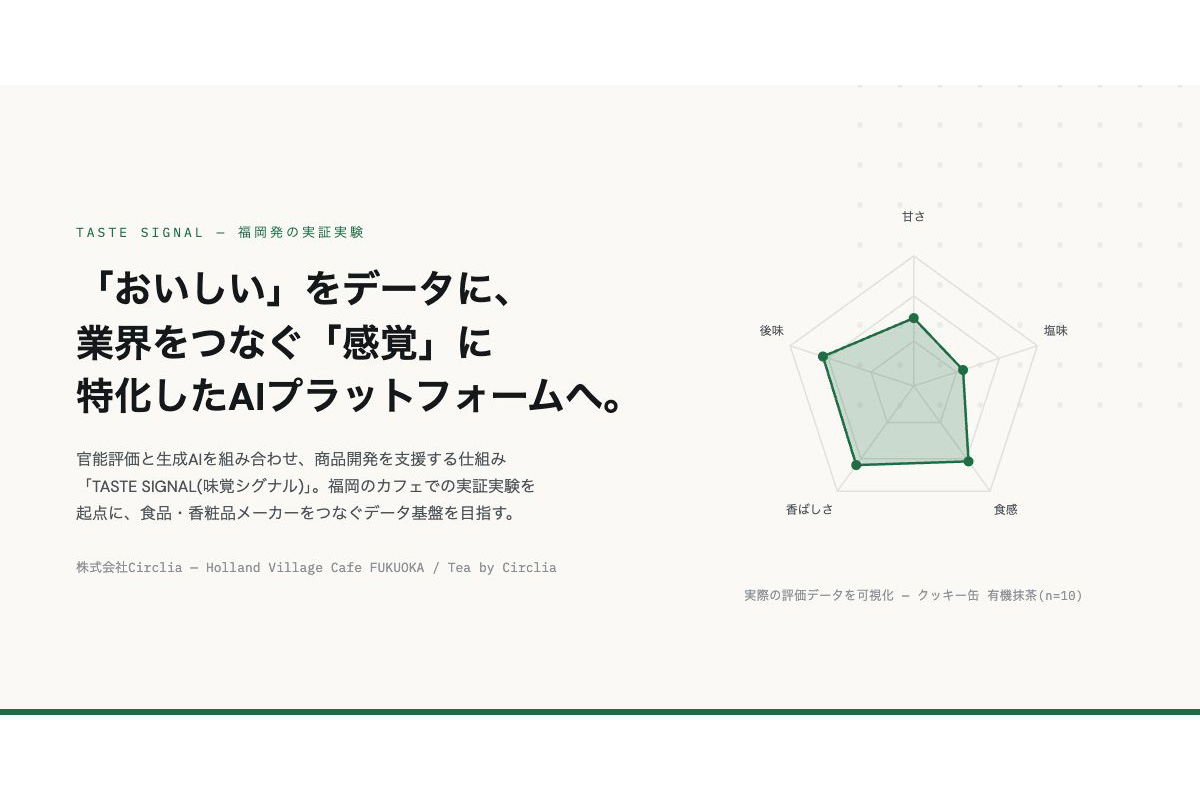
Circlia started a proof-of-concept for TASTE SIGNAL: visitors to Holland Village Cafe FUKUOKA taste cookies an…
In a webinar hosted by French Mathematical Society president Isabelle Gallagher, Fields Medal winner Hugo Dumi…

