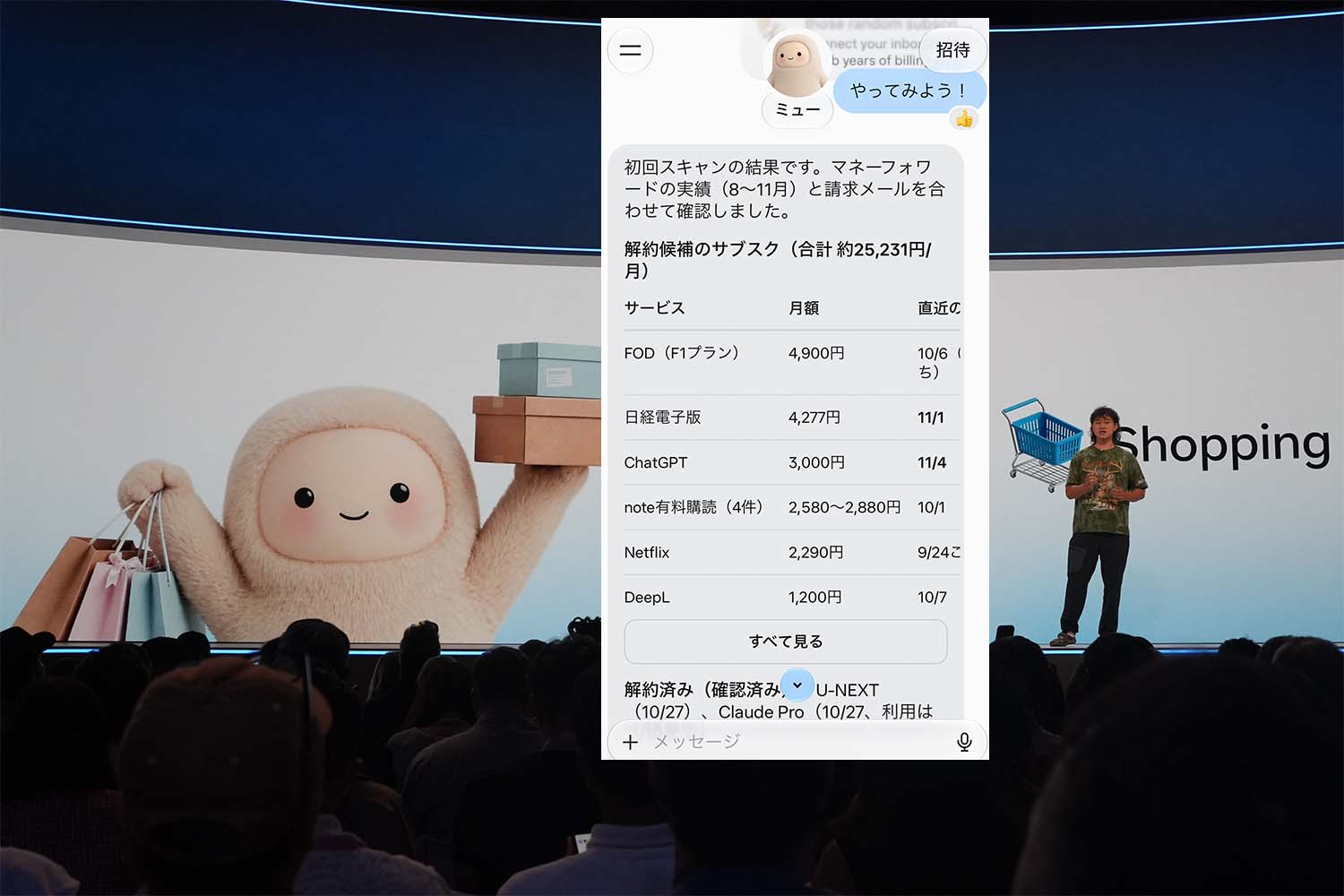
What happened
Shizuku AI技術部 said on 11月5日 it released a prototype letting users talk to AI VTuber Shizuku through an iPhone alone, with speech recognition, LLM replies and voice synthesis all processed on the phone rather than in the cloud.
Why it matters
The demo shows a conversational AI character can run locally on a smartphone GPU and Neural Engine, though the lightweight on-device model makes Shizuku noticeably less capable than her usual self, the team says.
Summaries like this, every morning.
Shizuku is normally a YouTube character that reads viewer comments and answers in her own words. The prototype flips that setup: instead of typing a comment, a user speaks toward the phone, the speech is converted to text, an LLM decides the reply, and voice synthesis reads it back as Shizuku. To keep responses quick, the team leaned on the iPhone's GPU and its Neural Engine, the part of the chip that handles AI calculations.
The trade-off is explicit. Because the conversation runs on a lightweight language model that fits on a smartphone, the team says the prototype's back-and-forth is weaker than the regular Shizuku. The announcement frames the experiment as a check on how natural a phone-only call can feel at a time when LLMs are growing larger.
A separate but related release arrived on November 8: Shizuku-Duplex, a Japanese speech dialogue model for AI characters built on a full-duplex approach that lets it listen while speaking. It processes audio every 80 milliseconds, and searches or complex requests are handed off to another model in the background so the conversation can continue while a lookup is pending. In the company's own Japanese evaluation, it stopped speaking within 2 seconds of an interruption 89% of the time, above the 82% for the comparison GPT-Live-1.
Pick your industry and the AI tools you use, and get news related to your work every day.
Free · 30 seconds with Google · unsubscribe anytimeWhat is AIToday? →
Ask AI anything about this article. The AI reads this article, earlier AIToday articles, and Wikipedia, and cites its sources. Q&As are published on this page for other readers too.
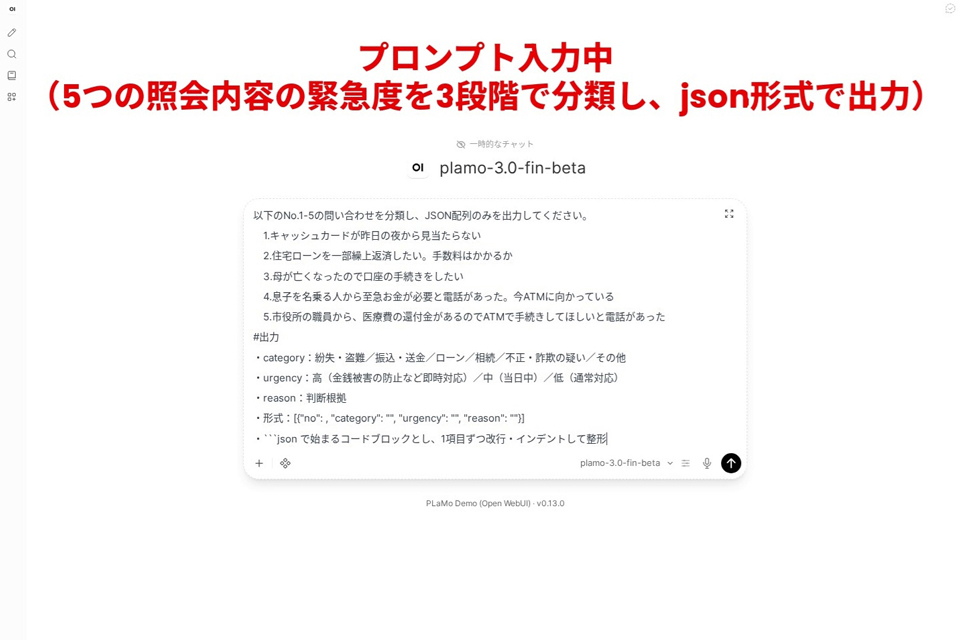
Preferred Networks published PLaMo 3.0 Fin, a finance-focused small language model built on its PLaMo base mod…
Physical Superintelligence said on 2026年11月6日 that its AI research system, built with an undisclosed Anthropic…
株式会社AIworker published a free six-page report, "2026年11月版," covering how construction firms should rewrite gen…

Kokuyo is consolidating meeting minutes, design documents and tasks into Notion and Notion AI, and linking Cla…

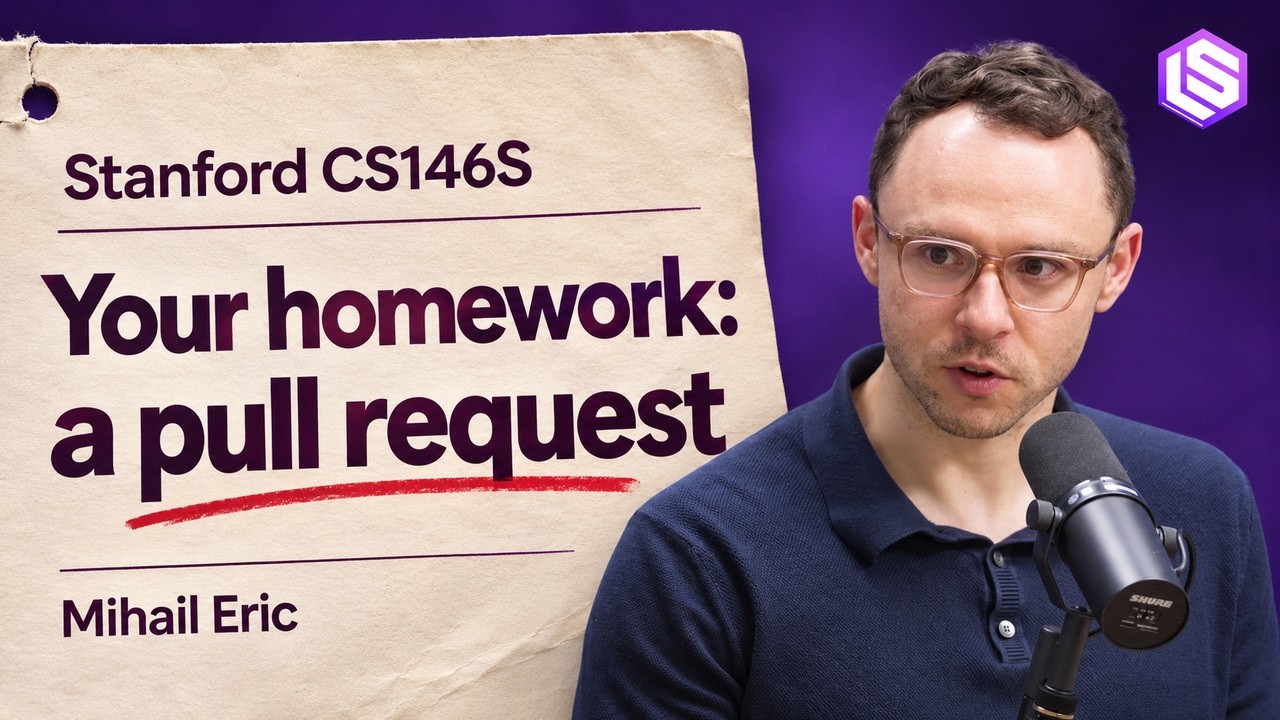
Mihail Eric, who teaches The Modern Software Developer at Stanford and leads AI at Monaco, brought open-source…
In his Watch Impress column, Nishida Sotokazu says Meta's Muse pushes subscription audits, cheapest electricit…