What happened
Unredacted filings in The New York Times' lawsuit reveal Microsoft's Brent Hecht called AI scraping "the largest theft of labor in human history," and OpenAI's Nick Turley said publishers face an "existential threat."
Why it matters
These private admissions appear to undercut OpenAI's fair-use defense, which requires that its use not harm the market for the original work, according to the filing.
What to watch
Much of the new information comes from The Times' own brief, not the underlying exhibits, which remain sealed. The judge's eventual fair-use ruling is the key test.
WHO IT HITSThis matters most to news publishers and journalists whose work trained these models; the filing's admissions could shape how courts weigh fair use in copyright cases against AI firms.
Summaries like this, in your inbox every morning.
For example, today's edition would include:
AI-summarized, only the topics you pick — one digest a day via Email, Slack, or Discord.
Free · 30 seconds with Google · unsubscribe anytimeWhat is AIToday? →
Ask AI anything about this article. Q&As are published on this page for other readers too.
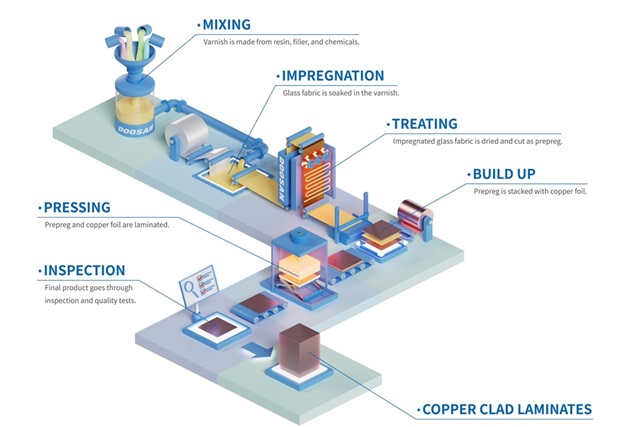
Doosan committed KRW968 billion to expand high-end copper-clad laminate (CCL) production in South Korea and Ch…
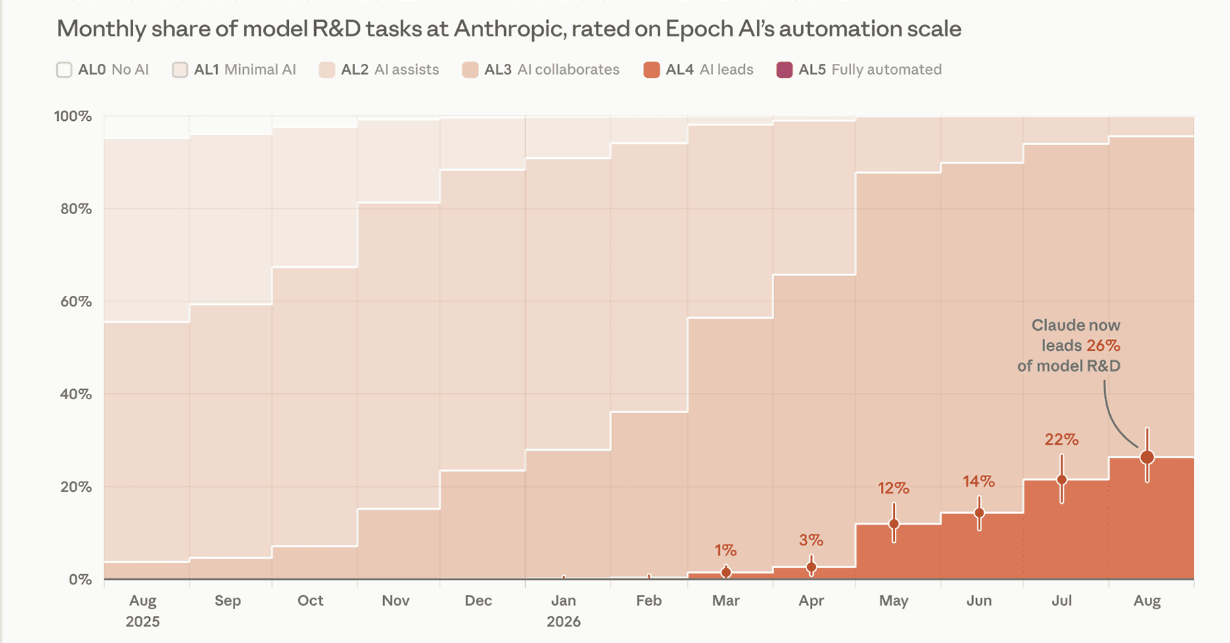
Anthropic Institute said that as of August, 26% of its AI research and development work was almost entirely do…
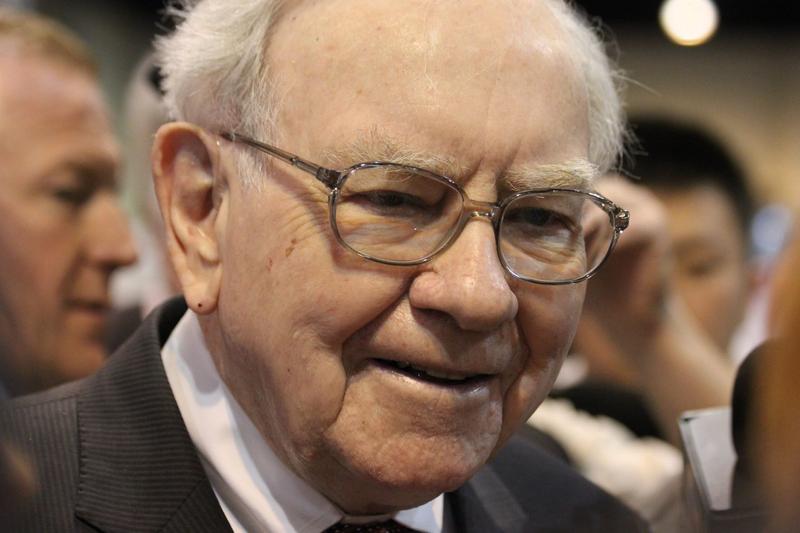
Abel more than tripled Berkshire's Alphabet stake in the first quarter and added another $17 billion in the se…
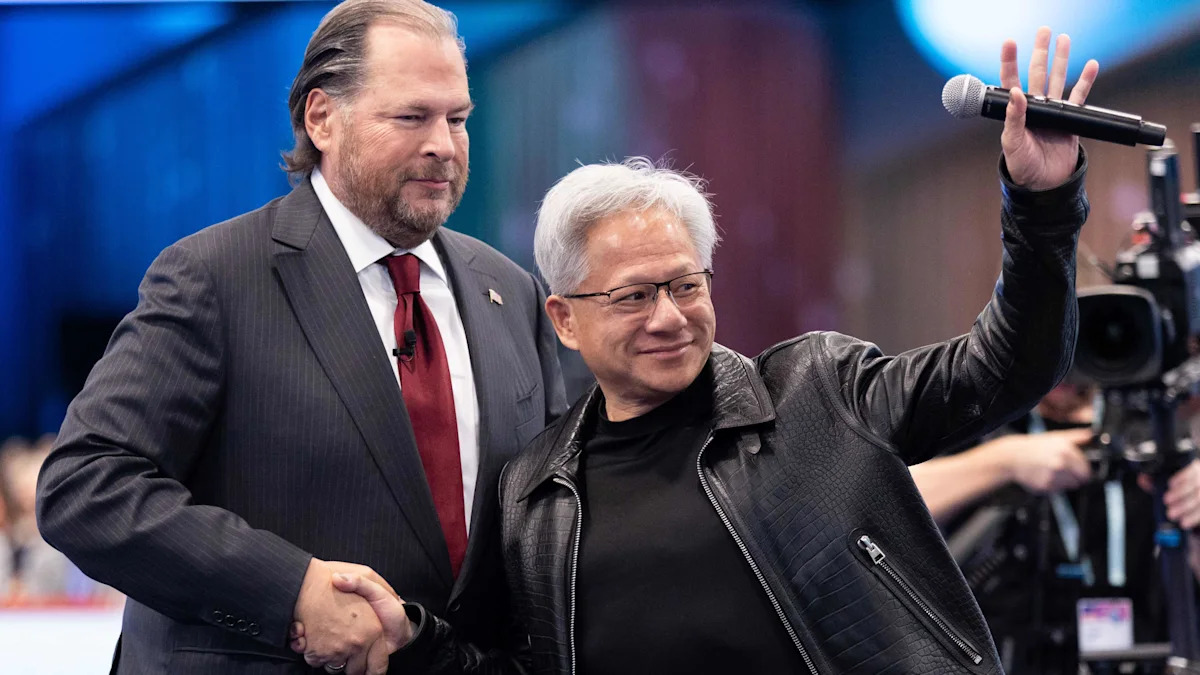
At Dreamforce, Salesforce and Nvidia unveiled Koa, a domain-specific reasoning model for Salesforce's Agentfor…
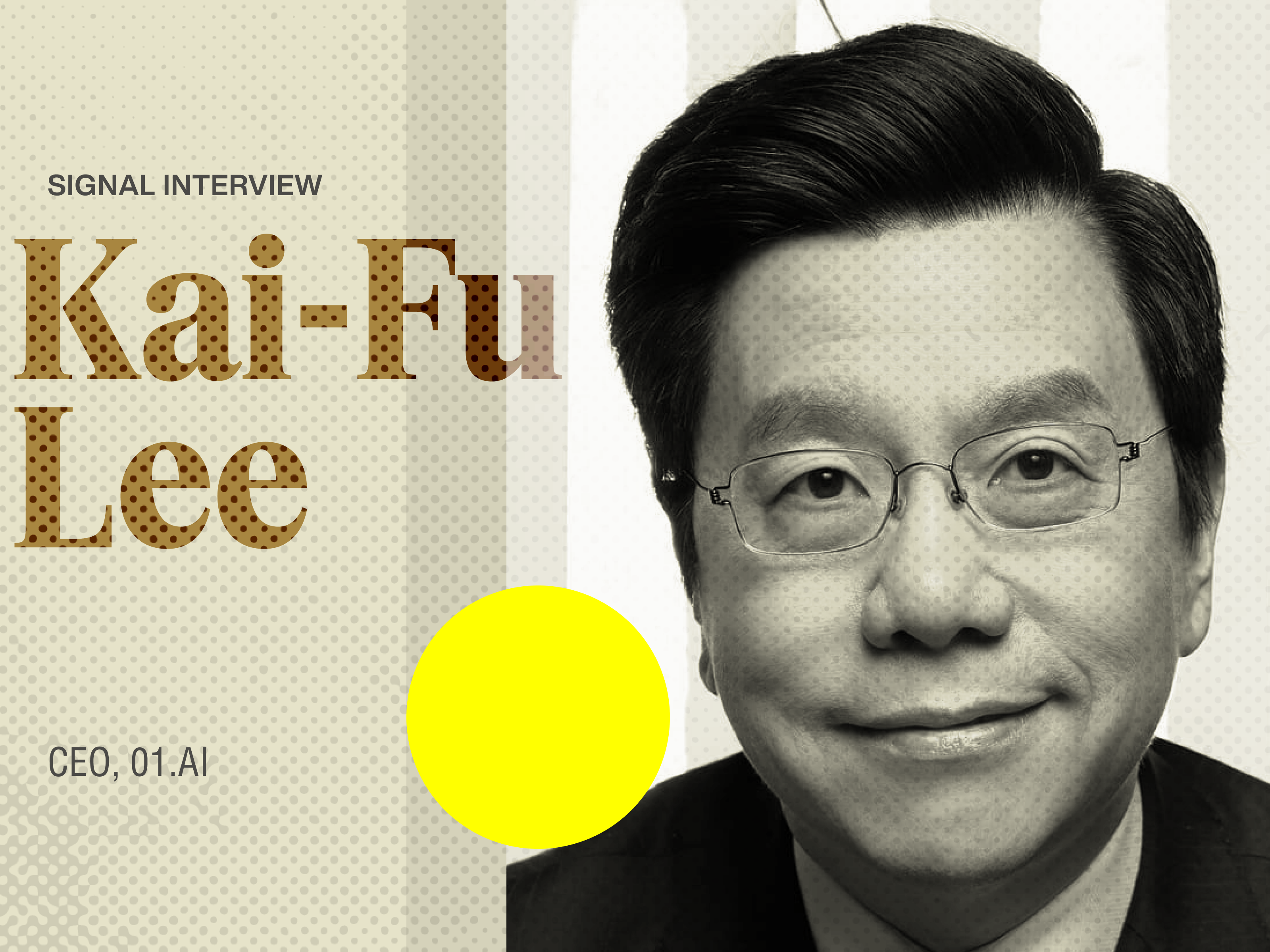
Kai-Fu Lee says most CEOs want AI transformation but are 'mostly doing it wrong', and that they must personall…
Atlassian CEO Mike Cannon-Brookes said the most AI-native customers are expanding fastest, and that customers…