
What happened
A federal court has overturned the U.S. Defense Department's ban on Anthropic PBC's AI models. Judge Rita Lin ruled late Thursday that the Pentagon's move was "illegal and baseless."
Why it matters
The ban began in fall 2025 after Anthropic refused to remove a clause in its terms of use that prevents customers from using Claude for mass surveillance of Americans or building autonomous weapons. The court dismissed both of the Pentagon's core legal arguments, including the claim that Anthropic has "backdoor access" to its technology, which officials later acknowledged was untrue.
What to watch
The ban is not officially lifted yet. According to CNBC, a judge reviewing Anthropic's separate complaint with the U.S. Court of Appeals for the D.C. Circuit must also rule in favor of the company before the Pentagon's Claude ban is fully reversed.
Summaries like this, in your inbox every morning.
The ruling marks a significant legal victory for Anthropic in its dispute with the U.S. government. The conflict began when the Defense Department approached Anthropic about bringing Claude to its internal platform GenAI.mil, but objected to a clause in the company's terms of use that restricts mass surveillance and autonomous weapons development. When Anthropic refused to change the wording, President Trump banned federal agencies from using its models, and Defense Secretary Pete Hegseth designated Anthropic as a supply chain risk, which also prohibited defense contractors from using Claude.
The court's decision highlighted several inconsistencies in the Pentagon's position. Not only did officials acknowledge that Anthropic lacked the alleged backdoor access, but the Defense Department had been using Claude since last March, and officials indicated Anthropic could be essential to national security shortly before the ban was announced. The court also noted that the Pentagon's AI usage policies were inconsistent with the stance it took in the lawsuit.
Anthropic welcomed the ruling, stating it remains focused on working productively with the government to harness AI for national security. However, the ban is not yet officially lifted, as a D.C. Circuit judge must also rule in favor of the company. The outcome could have broader implications for how the government engages with AI providers over acceptable-use policies, though the article does not speculate on this.
Pick your industry and the AI tools you use, and get news related to your work every day.
Free · 30 seconds with Google · unsubscribe anytimeWhat is AIToday? →
Ask AI anything about this article. The AI reads this article, earlier AIToday articles, and Wikipedia, and cites its sources. Q&As are published on this page for other readers too.
Taiwan is considering much stricter export controls on AI chip sales to China, part of a greater alignment wit…

Nichiren announced its generative AI voice usage guideline on October 15, built on three pillars: prior notice…

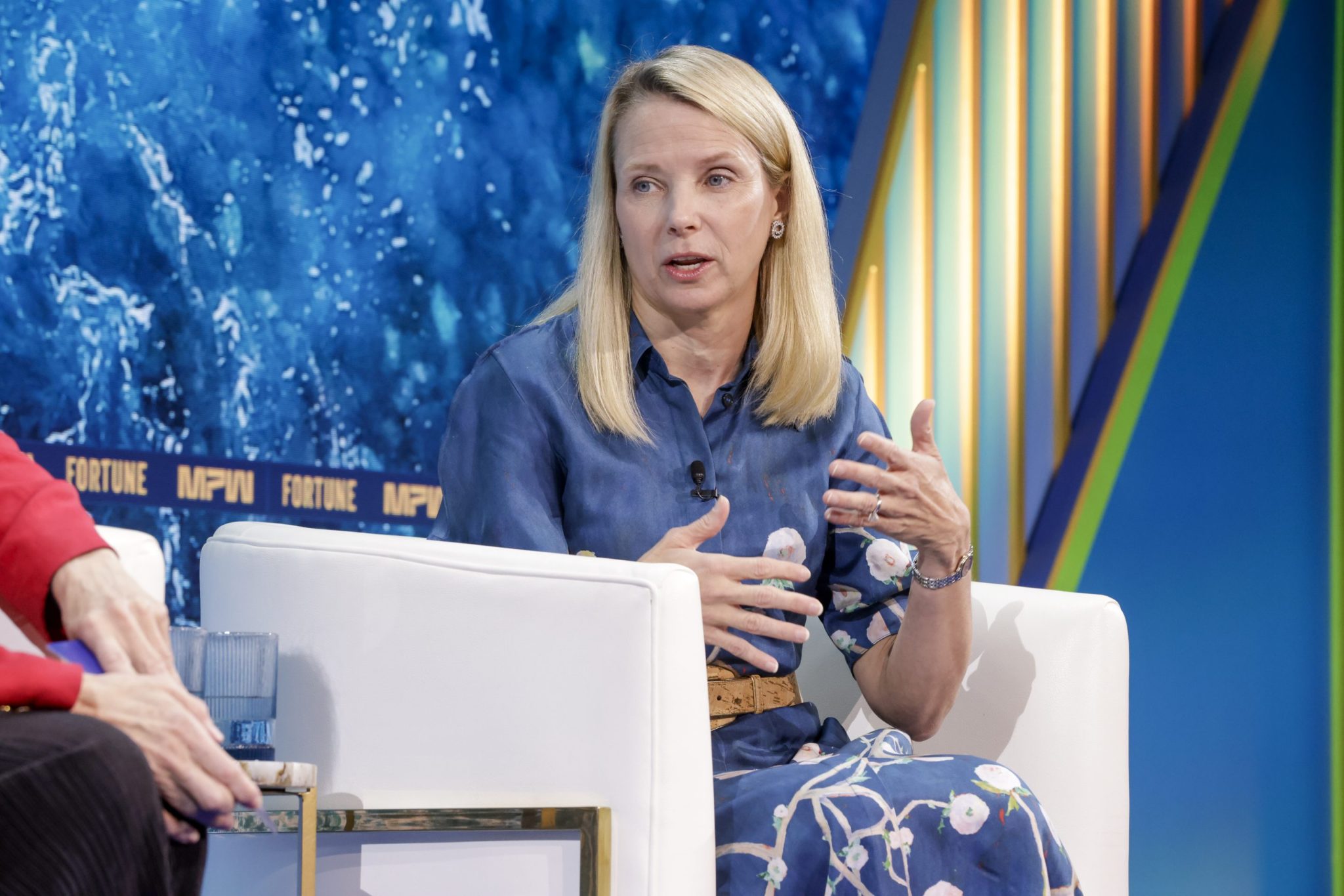
At the Most Powerful Women Summit, Marissa Mayer said anyone who claims to know how AI will play out is 'eithe…
SHIFT announced it began a project for the Acquisition, Technology & Logistics Agency (防衛装備庁) covering AI-rela…

After its first meeting Thursday, the White House AI task force formally adopted its charter, opening a 120-da…
Anthropic announced a revised Claude usage policy on October 8, 2026 that applies from November 12, 2026, rewr…


