What happened
Google DeepMind unveiled AlphaGenome Atlas, a platform with a predictive map of every possible DNA letter change, covering nine billion variants. It launched today for noncommercial researcher use.
Why it matters
Atlas extends beyond AlphaMissense, which focused on protein-altering mutations, to cover genome stretches that control gene behavior. This offers a more complete catalog of how mutations affect molecular biology.
What to watch
The test is whether the Atlas's predictions accelerate disease research and treatment discovery. Access for commercial use is coming "soon" on Google Cloud, which could broaden its impact.
WHO IT HITSGenomics researchers and drug-discovery teams can now rapidly rank DNA variants and interpret their molecular effects, potentially speeding up the identification of disease drivers. Biotech and pharma companies may use the tool for commercial research once available on Google Cloud.
Summaries like this, every morning.
The unveiling of AlphaGenome Atlas is the latest step in Google DeepMind's efforts to apply AI to biology, following AlphaFold, which won a Nobel Prize. The tool addresses a key challenge in genomics: determining which of the billions of possible DNA changes matter for disease.
Atlas expands on previous models by covering the entire genome, including regions that regulate gene activity. This comprehensive scope was made possible by precomputing predictions for every variant, resulting in a dataset of roughly 1 petabyte. The inclusion of a Variant Impact Score (AVI) helps researchers prioritize their focus.
The release comes as Demis Hassabis steps back to focus on scientific research, indicating a strategic push. The tool's success will hinge on whether it actually helps scientists identify disease-causing mutations and accelerates the development of treatments. The promise of commercial access on Google Cloud also suggests potential therapeutic applications, though the timeline remains unspecified.
Pick your industry and the AI tools you use, and get news related to your work every day.
Free · 30 seconds with Google · unsubscribe anytimeWhat is AIToday? →
Ask AI anything about this article. The AI reads this article, earlier AIToday articles, and Wikipedia, and cites its sources. Q&As are published on this page for other readers too.
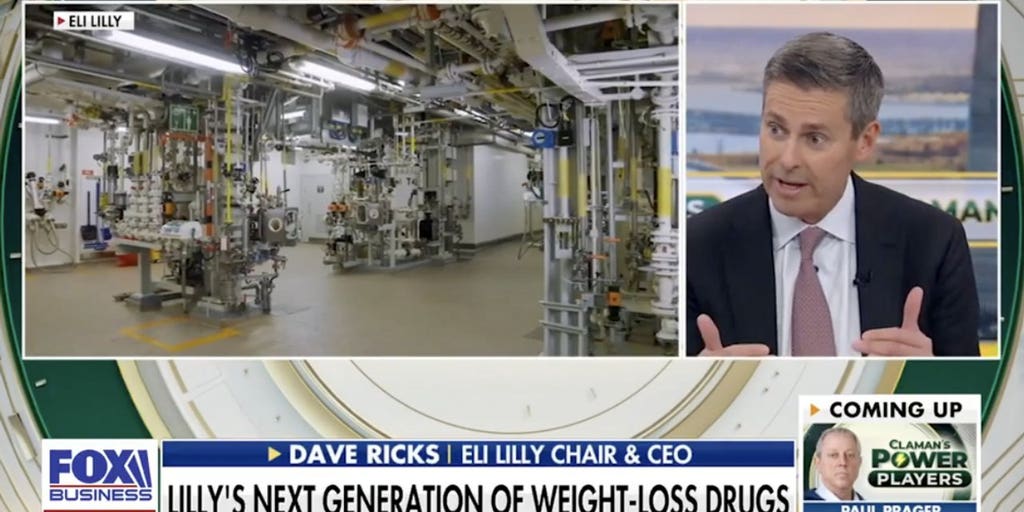
The Fox Business page titled around Eli Lilly's CEO and AI carries no reported remarks, only a video player an…
Fujifilm is using AI in antibody drug manufacturing at its CDMO business, monitoring culture medium compositio…

Warp Sciences, an AI-and-robot chemistry CRO led by ex-OpenAI product chief Kevin Weil, launched on the 22nd w…
Merck announced a collaboration with NVIDIA, Microsoft and Dawn Health to build an AI digital companion offeri…
Samsung Seoul Hospital rose to 4th in Newsweek's World's Best Smart Hospitals 2027, up from 15th a year earlie…

Goldman Sachs crowned Every Cure, a Frankfurt analyst team, winner of its 11th Analyst Impact Fund, awarding i…