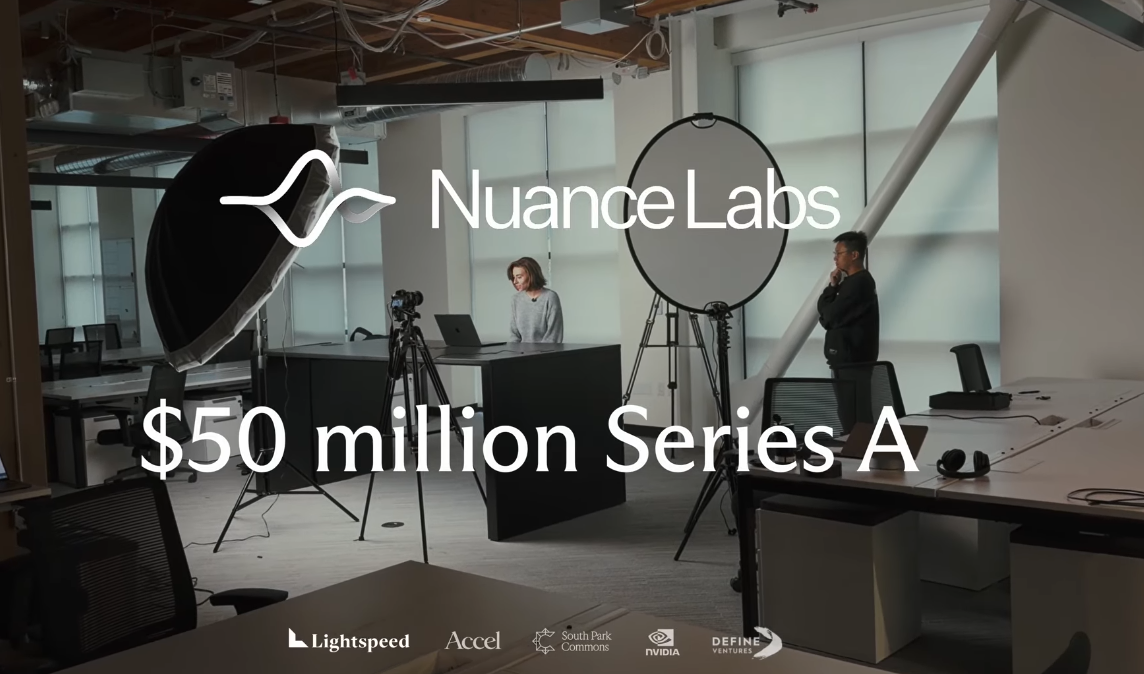
Nuance Labs, a Seattle startup led by ex-Apple researcher Fangchang Ma, closed a $50 million Series A led by Lightspeed Venture Partners, with Nvidia Corp. and Define Ventures joining.
Today's voicebots duct-tape separate speech, language and voice models together, which causes delayed, frozen reactions. Nuance replaces that with one full-duplex audiovisual model that reads gaze, gestures and tone in real time.
No product has shipped; the first research preview is targeted for later this year, and the round will fund that development plus more researchers. The test is whether one model really feels less awkward than the assembled pipeline.
Analysis: The funding signals investor appetite for a different architecture, but the demo is still a work in progress.
WHO IT HITSSales, customer service, coaching and training teams are the first targets Ma names, since those are the conversations where facial and vocal expressions can change the outcome.
Ask the AI about this article →
Summaries like this, in your inbox every morning.
Nuance Labs' pitch rests on a critique of how most AI avatars are put together: developers stitch a voice-to-text model, a large language model and a text-to-voice model into a chain, and for an avatar they add a fourth step to animate a face. Each handoff adds delay, and Ma argues that is why avatars look frozen or random while a person is speaking. His alternative is a single model that perceives and generates in one full-duplex loop, learning from how people behave during its conversations.
The $50 million Series A, led by Lightspeed Venture Partners with returning backers Accel and South Park Commons and new money from Nvidia Corp. and Define Ventures, is meant to accelerate that model work and add researchers. Lightspeed's Nnamdi Iregbulem framed the bet as a foundational layer for AI products, which suggests the company is being judged less on a finished product than on whether one model can hold a natural conversation.
That question is still open. Nuance has no launched product and describes its demo as a work in progress, with a first research preview targeted for later this year. Whether the single-model approach truly removes the awkwardness Ma describes — and whether it holds up in the sales, service, coaching and training scenarios he names — is likely to be the deciding factor for the next stage of the company's progress.
For example, today's edition would include:
AI-summarized, only the topics you pick — one digest a day via Email, Slack, or Discord.
Free · 30 seconds with Google · unsubscribe anytimeWhat is AIToday? →
Ask AI anything about this article. Q&As are published on this page for other readers too.
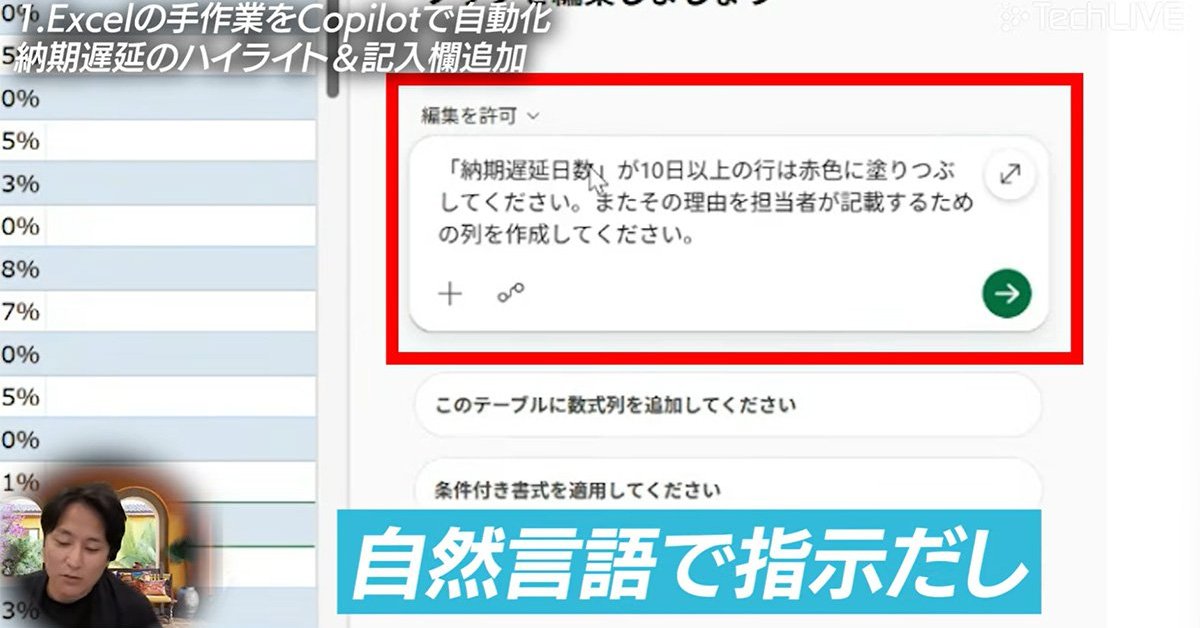
Microsoft MVP Kazuaki Asada set Microsoft 365 Copilot to "Allow edits" mode and asked it in plain language to…
Anthropic CEO Dario Amodei said the industry must slow the pace of improving AI models, arguing risk preventio…

Chairman Yoshihisa Kainuma said Minebea Mitsumi has no current plans for deals, choosing instead to focus on b…
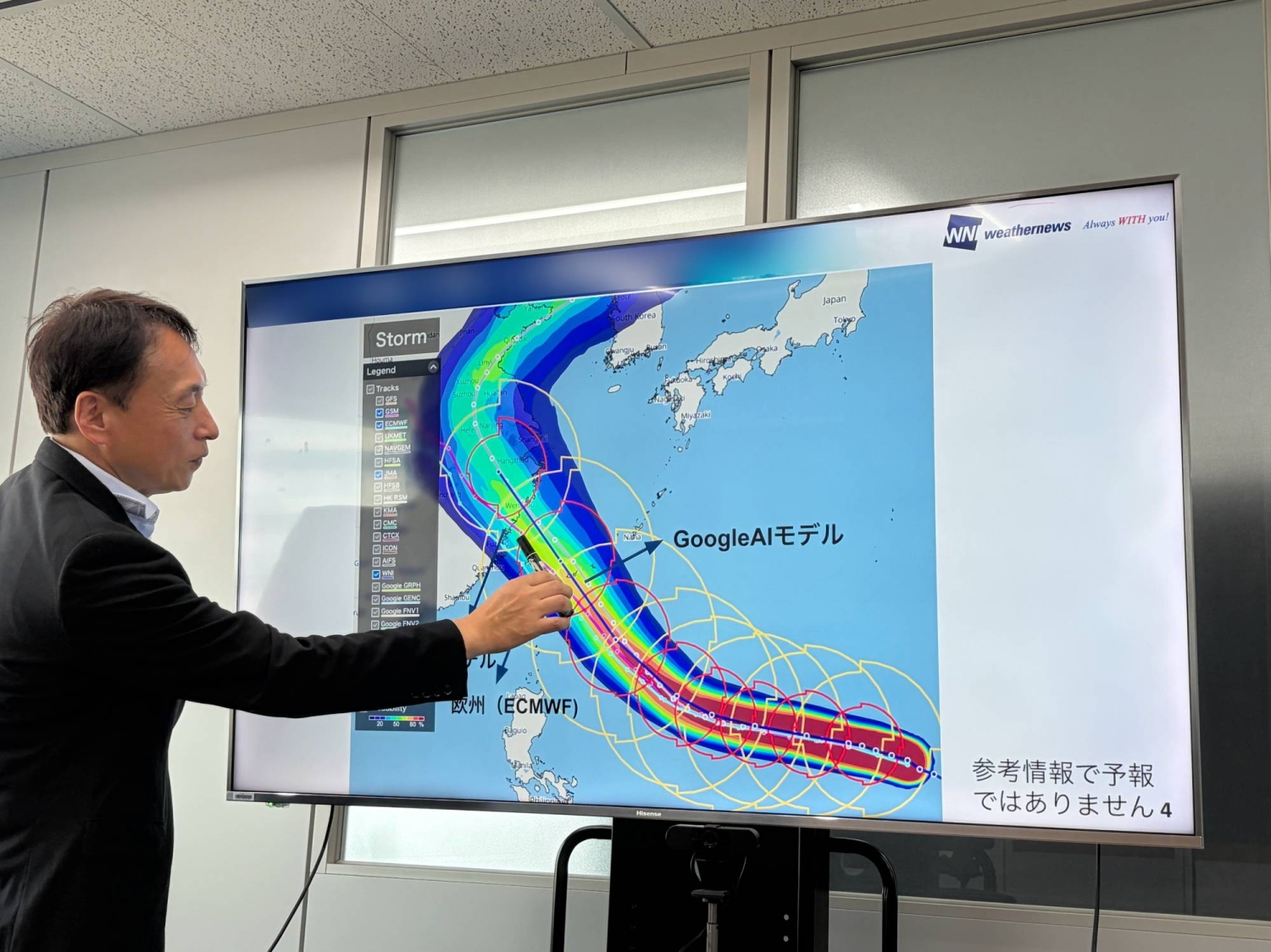
AI is gaining ground in weather forecasting, with meteorological agencies and private companies worldwide deve…
OpenAI reportedly agreed to buy smartphone camera software startup Glass Imaging for more than $300 million, p…

Aron Inc. launched with $8 million raised across two rounds