A team published WFM (Wavelet Flow Matching), a new AI method that generates four types of MRI brain scans (T1, T1c, T2, FLAIR) in just 1–2 computational steps instead of the 100–300 steps required by current AI systems, cutting processing time from minutes to seconds.
Unlike traditional AI image generators that start from random noise, WFM begins with the structural information already present in existing MRI scans (converted to wavelet format—a way of breaking down images into building blocks), then refines only the visual contrast. One 82-million-parameter model replaces four separate models that previously required 326 million parameters total.
Radiologists and hospitals can now synthesize missing or damaged MRI scans instantly at the point of care instead of waiting for lengthy processing, enabling faster diagnosis and reducing the need to reschedule patients for repeat scans when one modality fails or is unavailable.
The code and results are published on arXiv (open access); no commercial availability or release date has been announced yet, but the approach is designed for clinical adoption given its speed and single-model architecture.
Ask the AI about this article →
For example, today's edition would include:
AI-summarized, only the topics you pick — one digest a day via Email, Slack, or Discord.
Free · takes 30 seconds · unsubscribe anytimeWhat is AIToday? →
Ask AI anything about this article. Q&As are published on this page for other readers too.
Cleveland Clinic is investing $50 million in a 'Digital Front Door' initiative to streamline patient access an…

Walmart settled opioid dispensing claims for $50 million

Seminar Info will host an AI utilization and DX seminar for the insurance industry, featuring Sumitomo Life an…

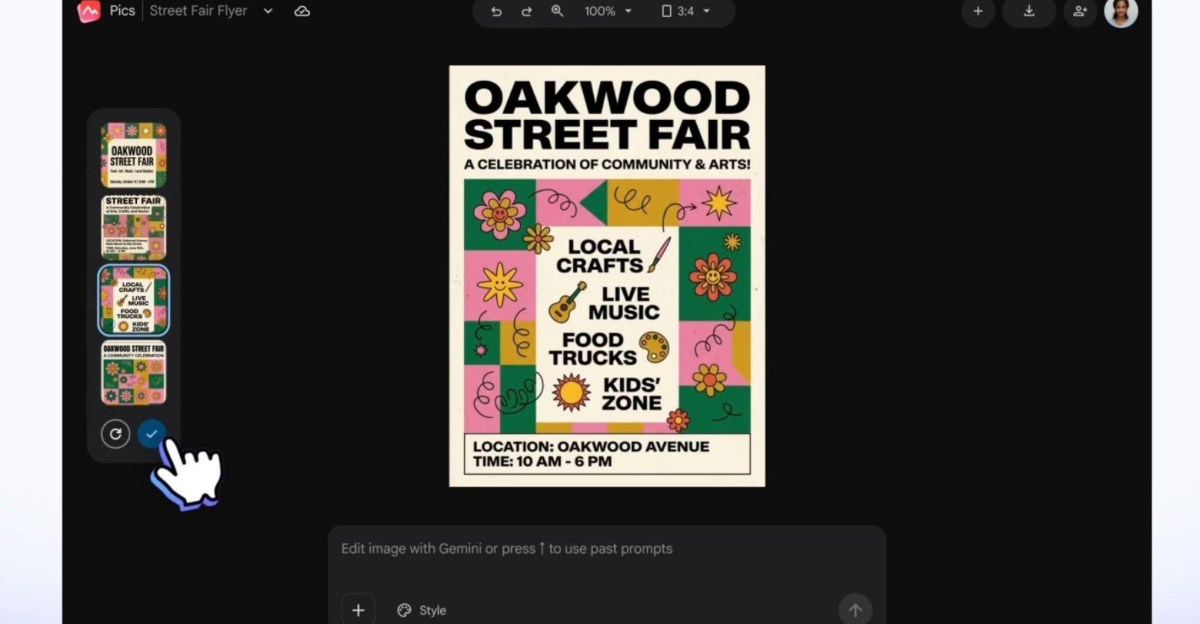
Google has launched Google Pics, a new suite of creative design tools for Workspace users, built around Gemini…
OpenAI said today that it is integrating ChatGPT Health with Epic's electronic health record (EHR) system, whi…

Google is launching Google Pics, an AI-powered image creation and editing tool that will be part of Google Wor…