What happened
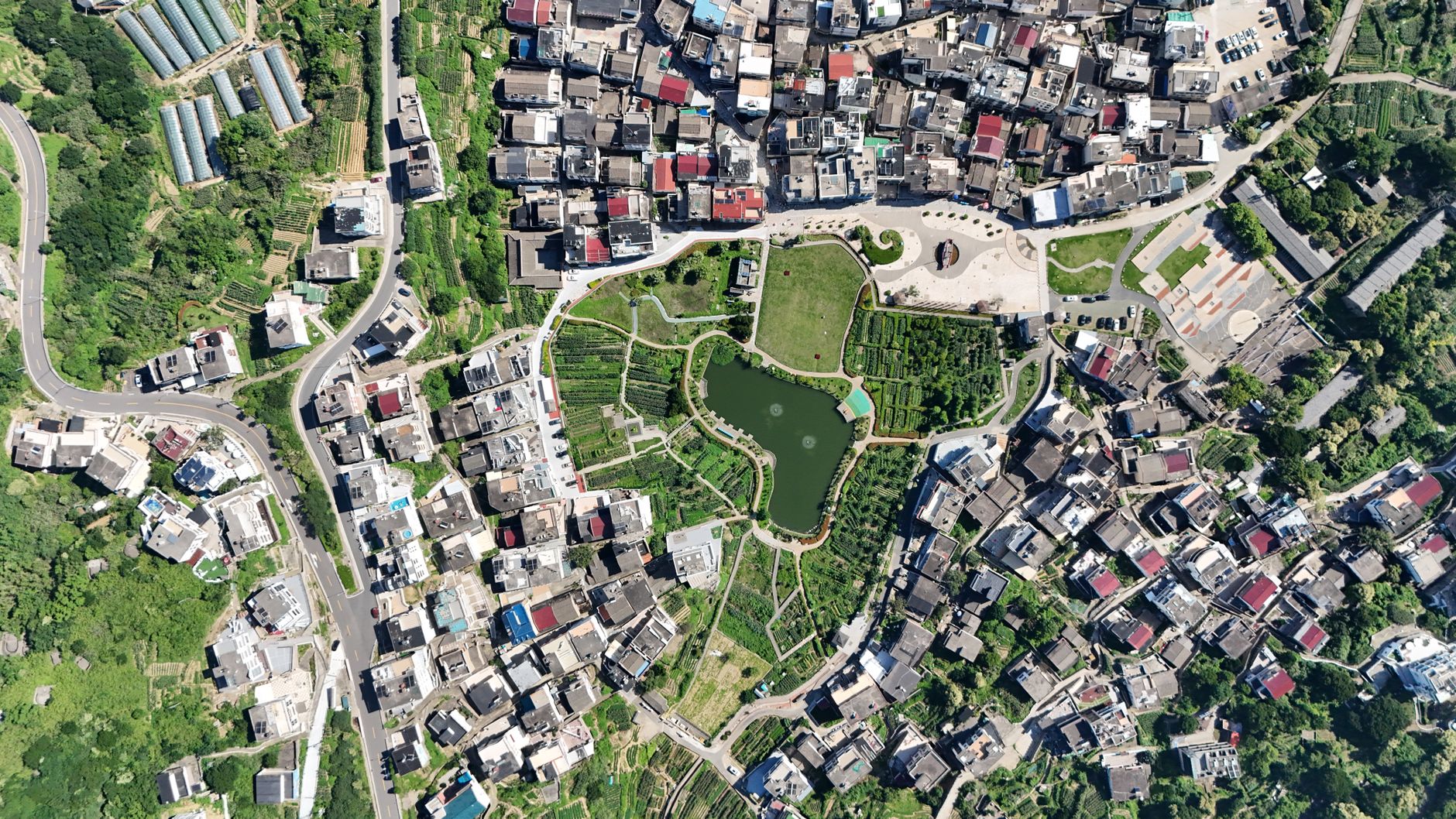
Combining the 浅間下 (122 nodes, 1464 tokens) and Kawasaki (126 nodes, 1512 tokens) sequences into 2976 tokens degraded accuracy—MAE rose from 2.931 to 3.141 for 浅間下 and from 3.013 to 3.481 for Kawasaki—until a Network Isolation Mask was added.
Why it matters
Without the mask, linking the sequences let tokens from one road network attend to the other, hurting predictions; blocking that attention brought error back to individual-inference levels, suggesting one model can serve multiple networks without separate copies.
Summaries like this, every morning.
This experiment builds on a series of posts that first built a traffic flow dataset from OpenStreetMap and UXsim, then trained a Graph Embedding and Transformer model, and later tested transfer learning to a road network with a different number of nodes. In the fifth installment, a Shared Transformer was co-trained on data from the 浅間下 intersection area (122 nodes) and the Kawasaki Municipal Sachi High School area (126 nodes). Inference in that earlier work was run separately for each network, calling the same Shared Transformer twice.
The new step borrows an idea from EdgeLoRA's Batch LoRA Inference, where multiple LoRA adapters share a single base model to process requests together. Here, the two networks' token sequences—1464 and 1512 tokens—are concatenated into a 2976-token input. But naive concatenation lets tokens from one network attend to the other. The Network Isolation Mask blocks those cross-network links, and after separation the outputs go through each network's own Fully layer. With the mask, batch inference matched individual inference almost exactly; without it, error metrics rose noticeably.
The author positions this as evidence that a single Shared Transformer can handle multiple road networks simultaneously, potentially scaling by adding Network Adapters rather than duplicating the Transformer for each network.
Pick your industry and the AI tools you use, and get news related to your work every day.
Free · 30 seconds with Google · unsubscribe anytimeWhat is AIToday? →
Ask AI anything about this article. The AI reads this article, earlier AIToday articles, and Wikipedia, and cites its sources. Q&As are published on this page for other readers too.
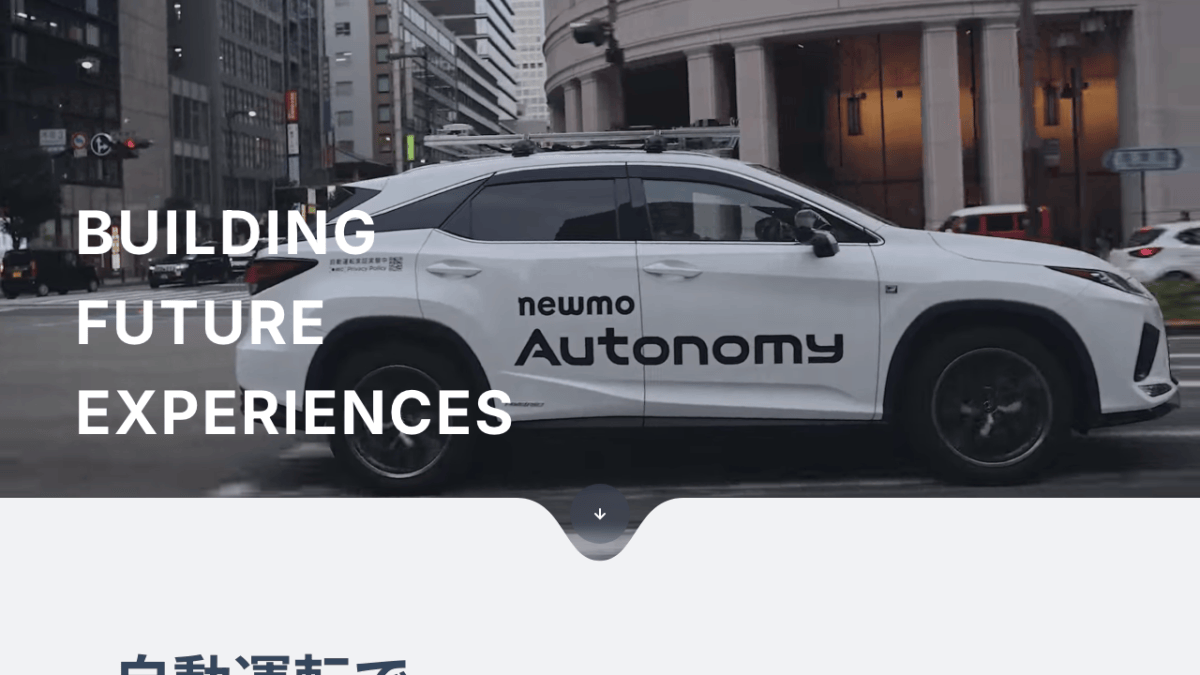
newmo said it raised 208億円 in a Series B led by KDDI through a third-party allotment, with new investors inclu…
At KDDI SUMMIT 2026, held October 27–28 in Tokyo, KDDI announced its Alliance Park Project linking Osaka Sakai…
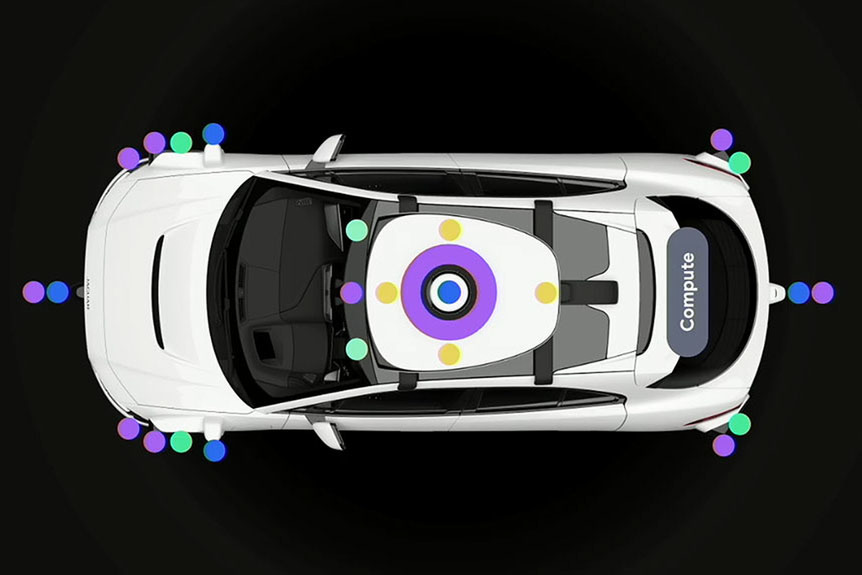
In a Hot Chips keynote, Waymo Compute Lead Daniel Rosenband argued that camera-only autonomy, the route Tesla…
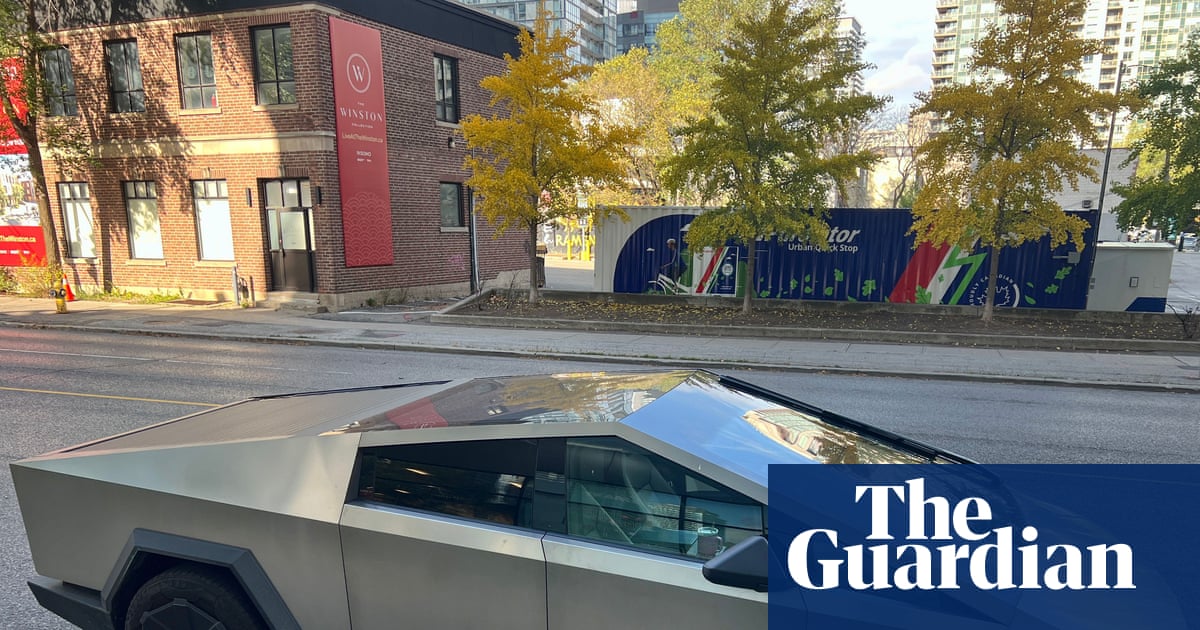
Elon Musk ended production of the Cybertruck, a vehicle Barron's describes as disastrous, and the move is bein…

Musk posted on X that Tesla will wind down Cybertruck production at Gigafactory Texas around the middle of nex…
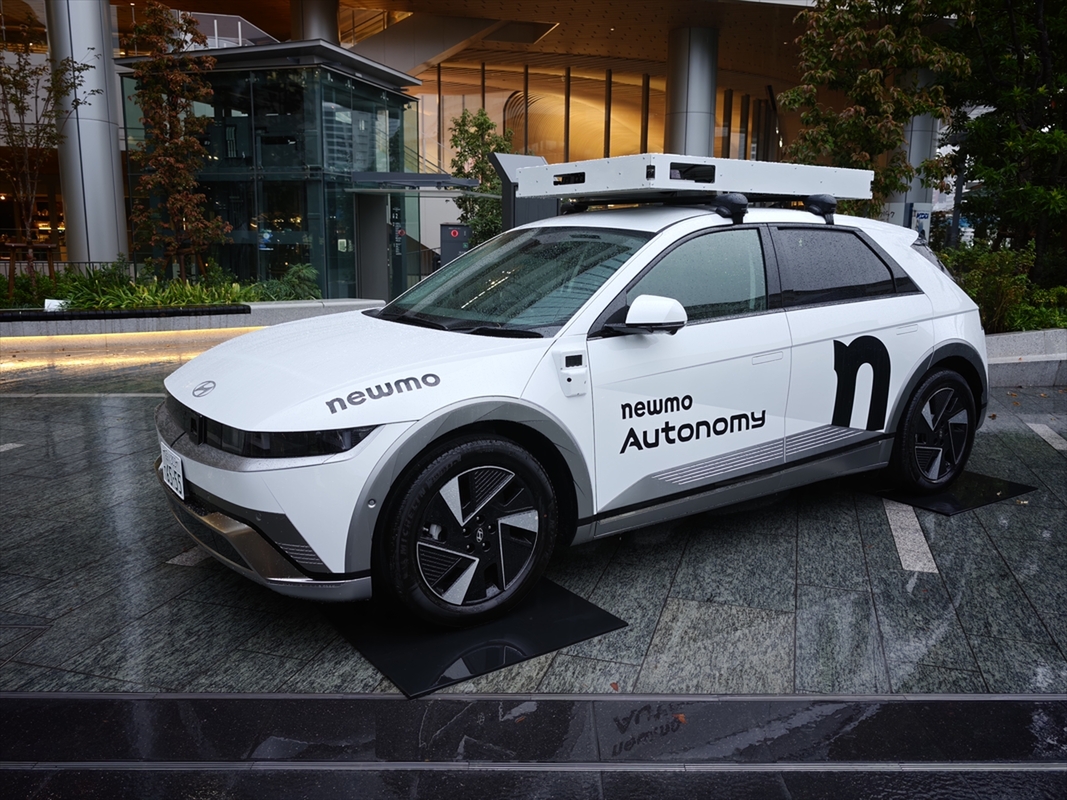
newmo and KDDI said on November 6 they signed a capital tie-up for autonomous taxis, with KDDI Smart Mobility…