NVIDIA's own 3-year scenario points to roughly 57% upside despite a lower P/E.
Revenue is set to grow 30% annually, reaching $665.6B.
CPU revenue could more than double, but memory costs pressure margins.
What happened
NVIDIA is now acting as a financier for its own demand, helping raise over $500 billion of third-party capital and directly investing nearly $50 billion in Frontier AI labs. Its non-hyperscaler ACIE segment is about half the business and growing 100% a year.
Why it matters
The company's revenue is compounding at 30% annually, from $303.0B to $665.6B over three years, with earnings jumping 110% to roughly $404.8B. However, a softer P/E multiple (from 27.3x to 20.5x) is expected to chew about 25% off that growth, yet the stock still lands near $342.46, roughly 57% above today's price.
What to watch
Management expects CPU revenue to more than double in fiscal '28, which could make NVIDIA a leading server CPU supplier. On the risk side, extreme memory pricing is seen pushing margins down to a range of 71%–72% in Q4.
Ask the AI about this article →
NVIDIA's transition from a chip company to a financier of its own ecosystem is a notable shift. By helping raise over $500 billion in capital for customers and investing nearly $50 billion in AI labs, it directly underwrites its own demand. This strategy fuels the non-hyperscaler segment, which now accounts for about half of the business and grows at 100% annually.
The 3-year scenario built in the article relies on revenue compounding at 30%, a step down from the current 83% LTM growth. Margins are expected to ease from 64% to 61%, contributing to a 110% earnings jump. However, the P/E multiple is set to compress to 20.5x, which reduces the stock's upside to roughly 57%. The multiple adjustment is based on slower growth, not a negative re-rating, so if growth holds, the compression could reverse.
The main upside beyond GPUs is CPU revenue, expected to more than double in fiscal '28. The main risk is memory cost pressure, which management says will push Q4 margins to 71%–72%. For investors, this is a concentrated bet, and the article suggests a diversified approach like the HQ Portfolio for broader exposure.
For example, today's edition would include:
AI-summarized, only the topics you pick — one digest a day via Email, Slack, or Discord.
Free · takes 30 seconds · unsubscribe anytimeWhat is AIToday? →
Ask AI anything about this article. Q&As are published on this page for other readers too.
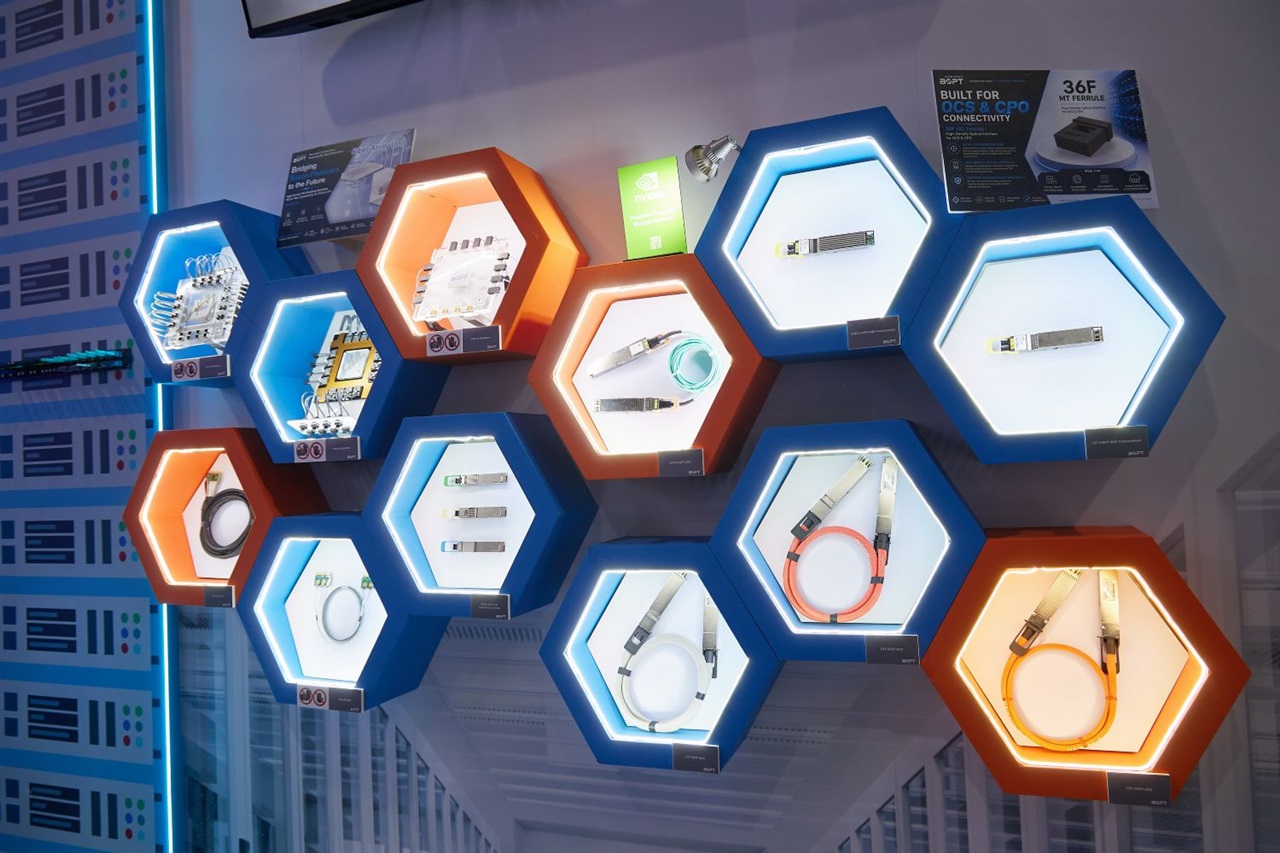
AI system scaling has pushed interconnect requirements inside data centers from chips and boards up to racks…
Chinese large-model developer Z.ai says it can now support large-scale inference using roughly 100,000 domesti…

Analyst Ming-Chi Kuo says Nvidia has revived the Rubin CPX AI accelerator with a substantially redesigned arch…
Palantir Technologies stock has posted multi-year gains, including an 11x return over 3 years

Apple has escalated its legal battle against OpenAI, claiming in a new court filing that OpenAI is actively de…
Samsung Electronics has locked up as much as 70% of its memory production capacity under long-term supply agre…