What happened
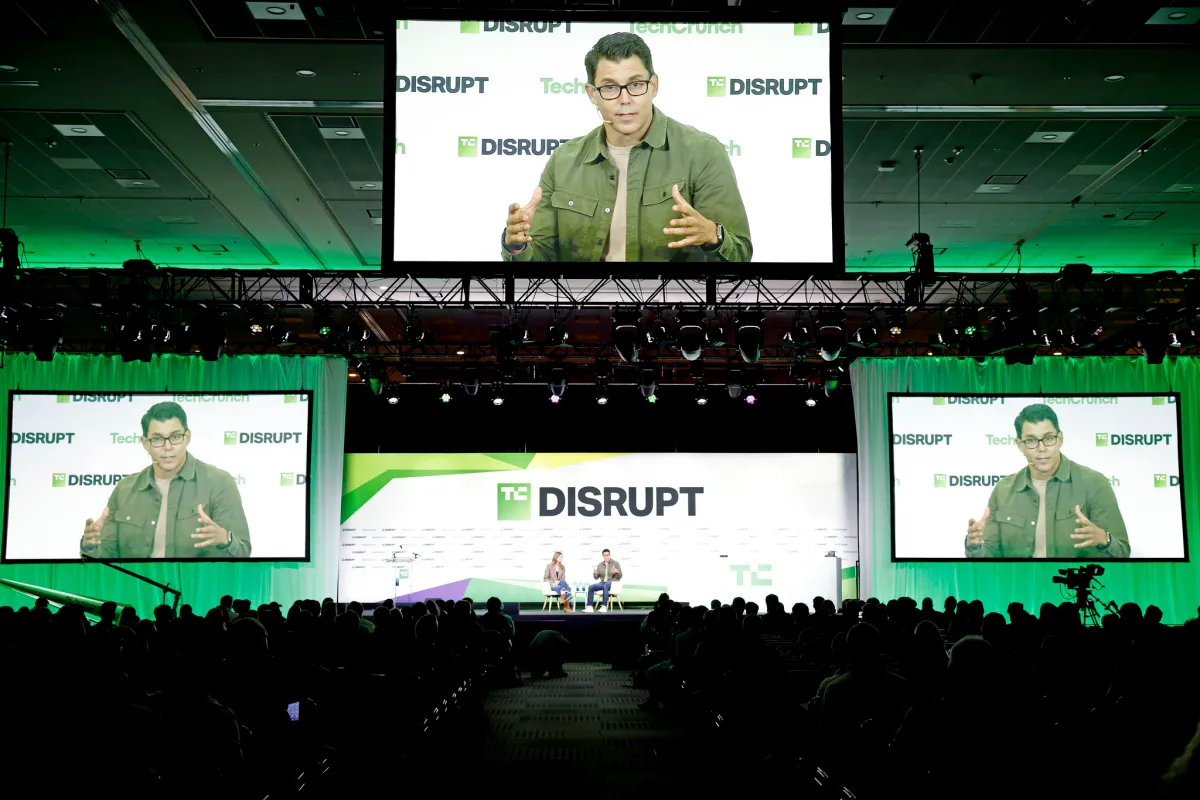
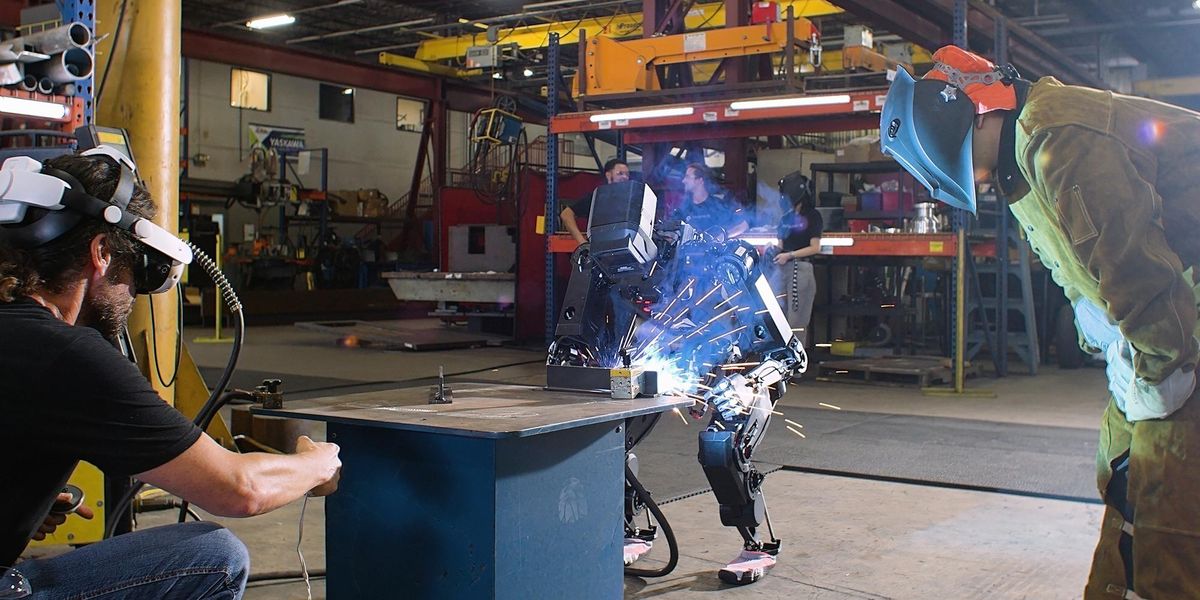
Persona AI, founded by former NASA and Figure robotics leaders, is deploying humanoid robots to perform welding in shipyards—partnering with HD Hyundai (the world's largest shipbuilder) and POSCO (the third-largest steel producer). The robots will handle long, linear welds, a task that requires hundreds of kilometers of welding per ship.
Why it matters
Most humanoid companies have struggled to prove economic viability by targeting unskilled labor; Persona is instead targeting expensive skilled trades where workers are scarce and highly paid. Shipyard welding is appealing because it plays to robot strengths—the task moves at only centimeters per second and requires millimeter-scale precision that robots excel at over long periods, whereas humans tire or lose focus. For shipbuilders facing labor constraints and backlogs, robots that boost production capacity (rather than just cut costs) unlock additional revenue.
What to watch
Persona is seeking customers who can support hundreds of robots per location. The company aims to build the largest repository of industrial skills, with adjacent applications in grinding, painting, and fabrication within shipyards—though it will need tens of thousands of hours of expert demonstration data, high-fidelity simulations, and real-world testing before proving the model works at scale.
Summaries like this, in your inbox every morning.
Persona AI's strategy represents a deliberate departure from the approach taken by most humanoid robotics companies. While competitors have pursued low-cost "unskilled labor" applications—targeting warehousing, automotive assembly, or home tasks—Persona co-founder Nic Radford notes the company saw no economic viability in that path. Instead, Persona identified what Radford calls a "last-mover advantage": by observing what others are doing, the company chose to target expensive skilled trades where robots can command premium value without price competition. This thesis around skilled labor and tool use proved decisive when Persona began searching for a viable first application.
Shipyard welding emerged as the natural entry point because it aligns multiple favorable conditions. The task itself is robot-friendly in ways that matter economically: welds progress at only centimeters per second (limited by metallurgy, not robot capability), and the precision demanded is millimeter-scale repetition—exactly what robots excel at without fatigue. Equally important, shipbuilders are labor-constrained and running at significant backlog; they value robots that increase their production capacity to meet demand, rather than robots that merely reduce per-unit costs. By partnering with the world's largest shipbuilder and the third-largest steel producer, Persona has secured customers with the scale and expertise to deploy hundreds of units per location—a prerequisite for sustainable business viability.
The choice of a two-legged humanoid form factor, rather than wheeled or multi-legged alternatives, reflects the physical reality of shipyard environments. Open-air yards spanning hundreds of meters, with horizontal and vertical obstacles and portholes, demand a robot capable of stepping over spars and working at varied heights. This specificity—the insistence that form follows function rather than following a preconceived "general purpose" robot archetype—is what sets Persona apart from competitors still seeking undefined markets for still-undefined robots in an undefined future.
Pick your industry and the AI tools you use, and get news related to your work every day.
Free · 30 seconds with Google · unsubscribe anytimeWhat is AIToday? →
Ask AI anything about this article. The AI reads this article, earlier AIToday articles, and Wikipedia, and cites its sources. Q&As are published on this page for other readers too.
Toyota Motor's Japan Mobility Show Bizweek 2026 booth centers on its AI basketball robot CUE7, has no other ex…
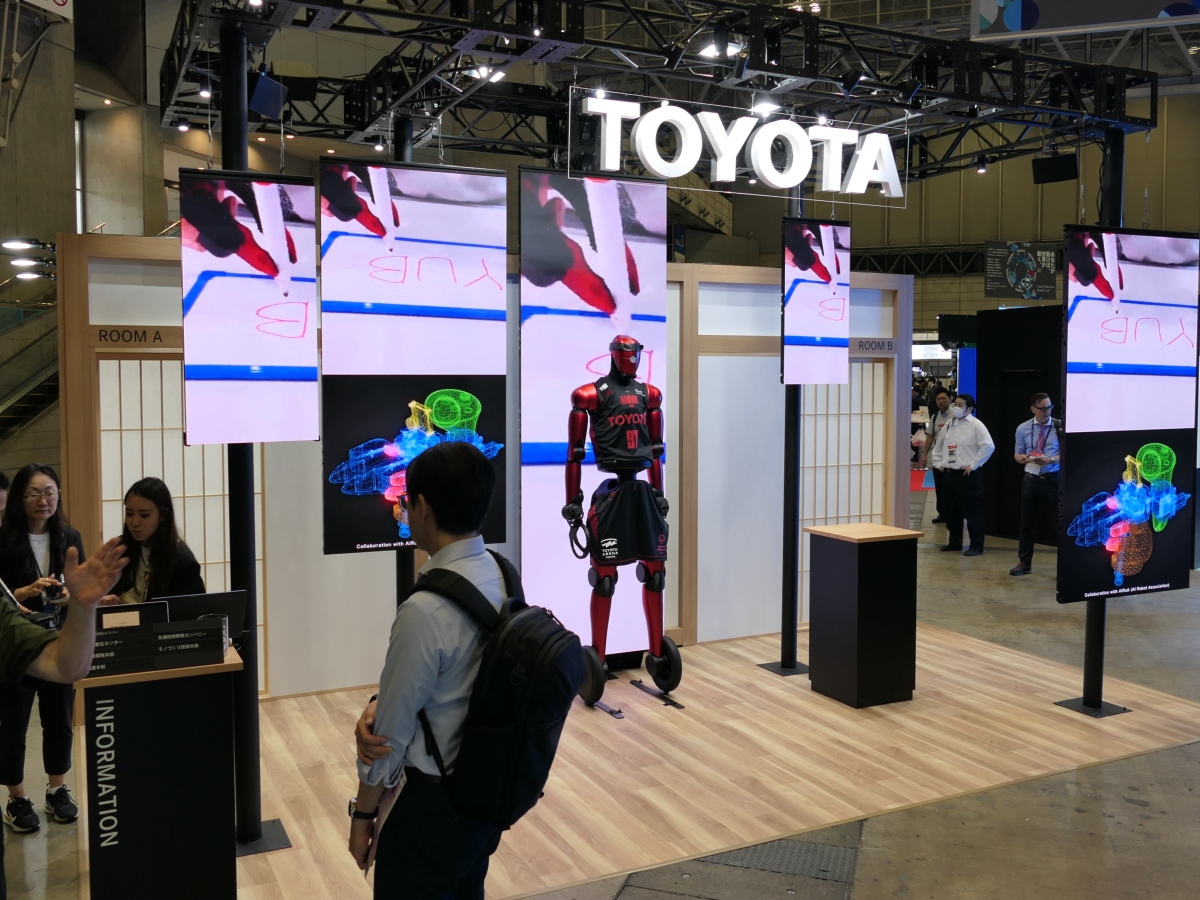
Japan Mobility Show Bizweek 2026 showcased Physical AI applications, including Toyota's basketball-playing rob…
Google pitched Gemini 4 Argon as one model for robot control, simulation and training-data review, saying it s…
Researcher Sammy Azdoufal discovered Energize Lab's Eiliko robot stores 13 million conversations from 68,000 t…
ZOZO NEXT and AVITA signed an MOU on joint research into textiles and clothing specialized for humanoid robots…

Day 2 at TechCrunch Disrupt 2026 in San Francisco's Moscone West features speakers from Nvidia, Waabi, Flock S…