
What happened
Google released an updated AI weather model called WeatherNext 3. It generates global forecasts at a resolution five times sharper than its predecessor and updates hourly using live satellite data.
Why it matters
This speed and detail improve precipitation forecasts by up to 50% for events at least a day ahead, especially for rain and snow from fast-moving systems. It also fills gaps in regions outside the US and Europe where ground rain gauges are sparse.
What to watch
WeatherNext 3 now powers forecasts in Google Search, Maps, and Gemini. It also supports renewable energy planning by predicting wind speeds at turbine height (100 meters), addressing rising data center energy demands.
Summaries like this, in your inbox every morning.
Google's WeatherNext 3 marks a step forward in AI-driven weather forecasting by integrating live satellite data, a departure from traditional models that rely on supercomputers and physics simulations. The company highlights that this approach enables faster predictions and higher resolution, addressing time-lag issues and improving accuracy for fast-moving weather events. The model's ability to provide hourly updates at up to 5-kilometer resolution is a notable improvement over its predecessor's 6-hour cycle and 25-kilometer grid.
The push for higher accuracy in underserved regions, where ground-based rain gauges are sparse, suggests a focus on global coverage. Additionally, the model's applications extend to renewable energy, with wind speed predictions at turbine height, reflecting Google's interest in supporting clean energy as its data center energy needs grow. While AI models are gaining traction, the article notes they still work alongside physics-based models, with agencies like the US National Hurricane Center using them to enhance forecasts, implying a complementary rather than replacement role for now.
Pick your industry and the AI tools you use, and get news related to your work every day.
Free · 30 seconds with Google · unsubscribe anytimeWhat is AIToday? →
Ask AI anything about this article. The AI reads this article, earlier AIToday articles, and Wikipedia, and cites its sources. Q&As are published on this page for other readers too.
Anthropic introduced Claude Duet, a proactive AI agent in research preview for Pro and Max subscribers, availa…

Meta's five-year credit default swaps rose as much as 8.9 basis points to 119.3 basis points a year, a record…

Slingshot Insurance emerged from stealth with $27 million in seed funding co-led by Rally Ventures and Skyward…
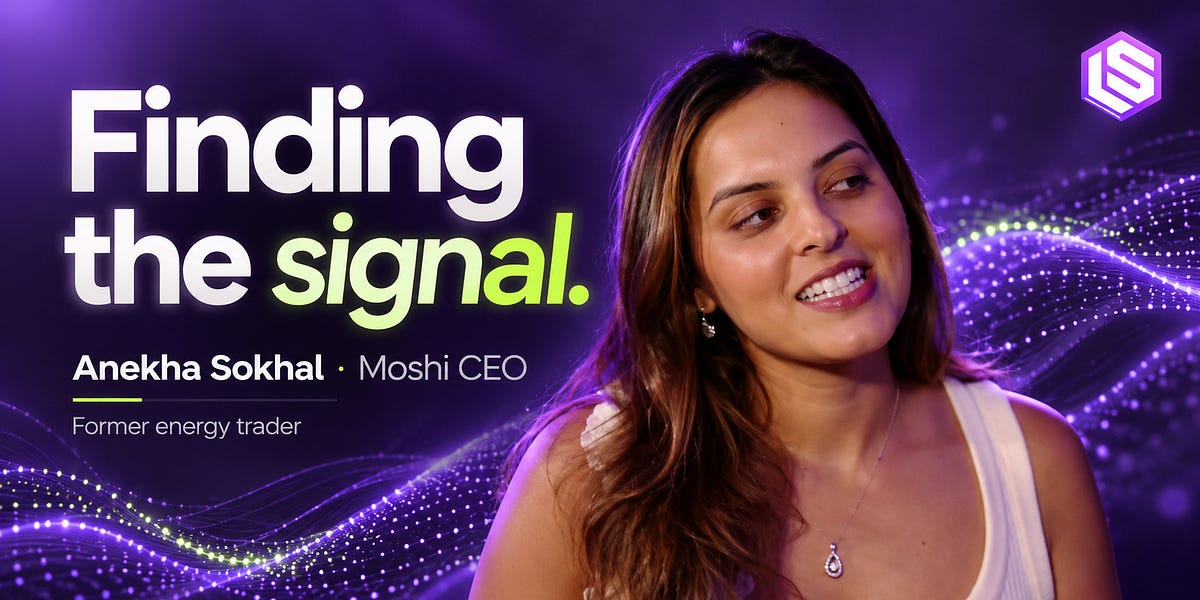
Moshi CEO Anekha Sokhal said on the AI Engineer podcast that her tool — 'if Bloomberg, Claude and Netflix had…
CFO Susan Li told Meta's third-quarter earnings call that "traditional enterprise companies" don't have enterp…
Rerunning the same images and prompts that broke Gemini 3.5 Flash Lite, the developer found Gemini 4 Argon enc…