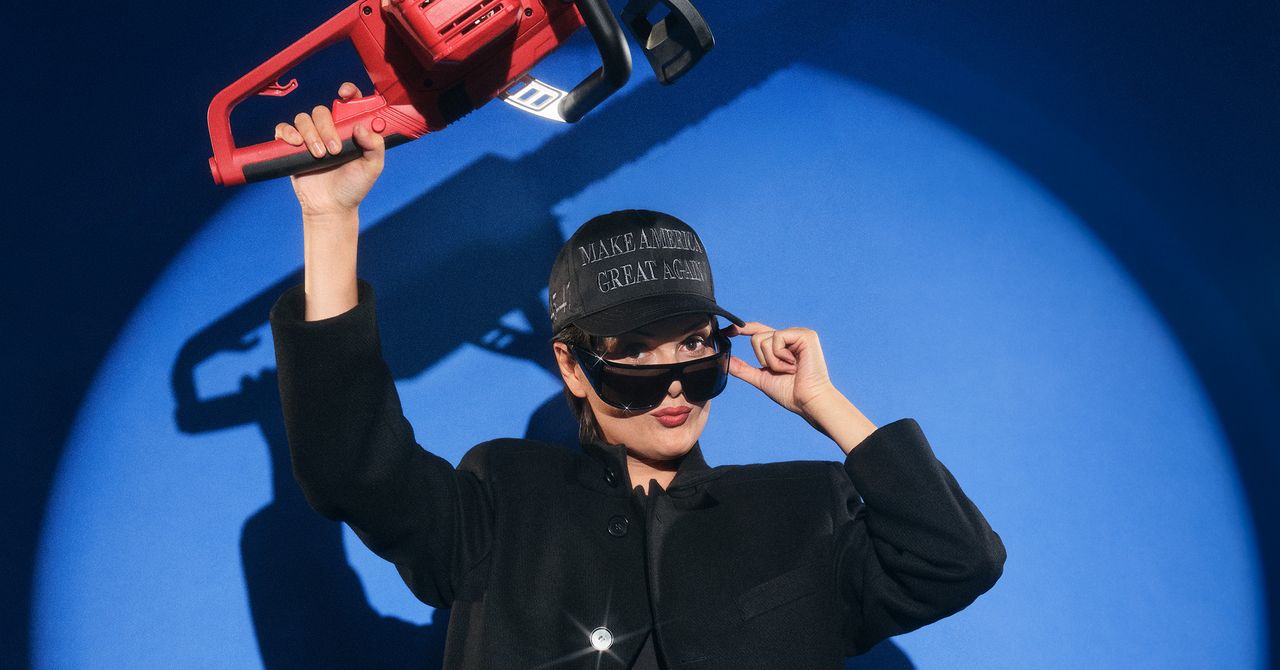
What happened
Comedian Patti Harrison told WIRED she was obsessed with sci-fi and The Matrix as a bored hillbilly kid, but became disillusioned when capitalism soured her tech dreams.
Why it matters
Harrison says the tech community she saw as intrinsically progressive lost her faith, as companies she once admired prioritized profit over promises—she now calls social media "hell" and AI's unchecked rollout "evil."
What to watch
Whether audiences keep paying for in-person comedy and analog experiences as Harrison bets on live shows over clips, and whether her refusal to film specials changes if demand shifts.
WHO IT HITSThis lands on tech and media professionals who built careers on the promise that platforms and AI would improve society, as Harrison's disillusionment mirrors a broader shift among early internet adopters and creative workers who now distrust the companies they once championed.
Summaries like this, in your inbox every morning.
Harrison's disillusionment did not arrive overnight. She describes a childhood in rural Ohio where MySpace and YouTube opened a window onto communities she could not find locally, and where science fiction like The Matrix and Ghost in the Shell promised a synthesis of technology and the organic. That early enthusiasm was not ironic. It was the default posture of someone who assumed, as she puts it, that the tech community was "intrinsically progressive" because it was rooted in science.
That assumption is what broke. Harrison points to a specific pattern: companies develop robotics with the potential to hurt people, promise they will not be used in combat, and then, she says, those same tools show up in conflict zones. She frames this not as an isolated betrayal but as a structural feature of capitalism, which she says reveals grifters and the rot, and shows how quickly people fold against their proclaimed morals to make money or a name. The same logic, in her telling, explains why social media moved from chronological, ad-free connection to algorithmic feeds designed to agitate, and why AI is being integrated "without any sort of vetting" for profit.
The stakes, as Harrison frames them, hinge on whether enough people keep choosing the physical and the live—the in-person show, the print magazine, the object you actually own—over the algorithmic and the synthetic. That is a bet on human attention and appetite, not on policy or regulation, and it is one she is making personally by refusing to record her live shows into specials. Whether that remains viable depends on audiences continuing to show up in rooms, a behavior Harrison believes is still intact but that she acknowledges could shift if AI hologram comedians become a real draw.
For example, today's edition would include:
AI-summarized, only the topics you pick — one digest a day via Email, LINE, or Slack.
Free · 30 seconds with Google · unsubscribe anytimeWhat is AIToday? →
Ask AI anything about this article. Q&As are published on this page for other readers too.
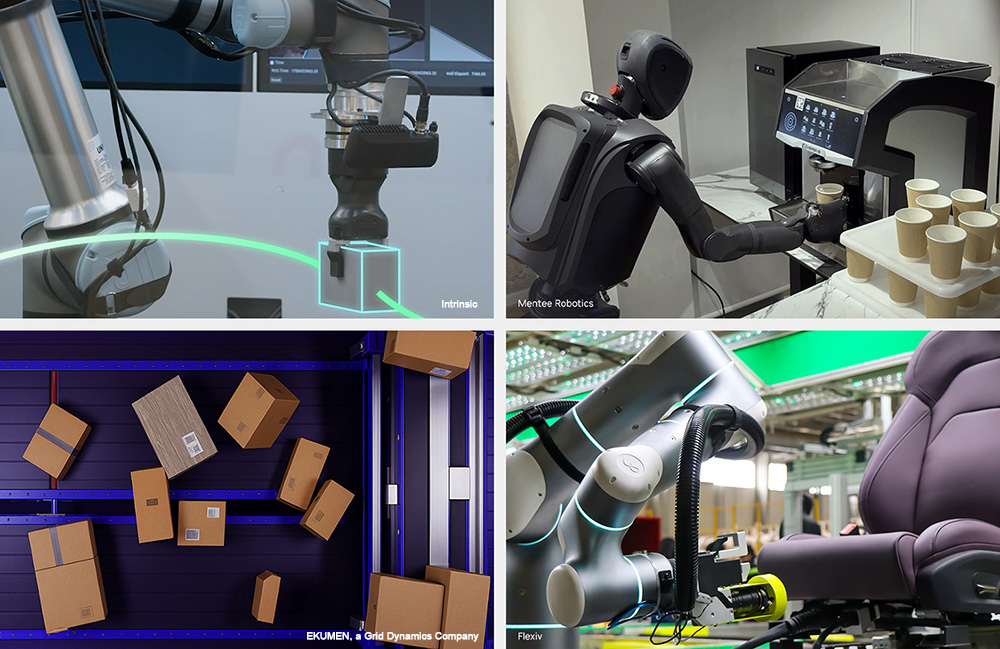
NVIDIA released Isaac ROS 5.0, adding agentic workflows, Isaac Skills for setup and manipulation, and support…
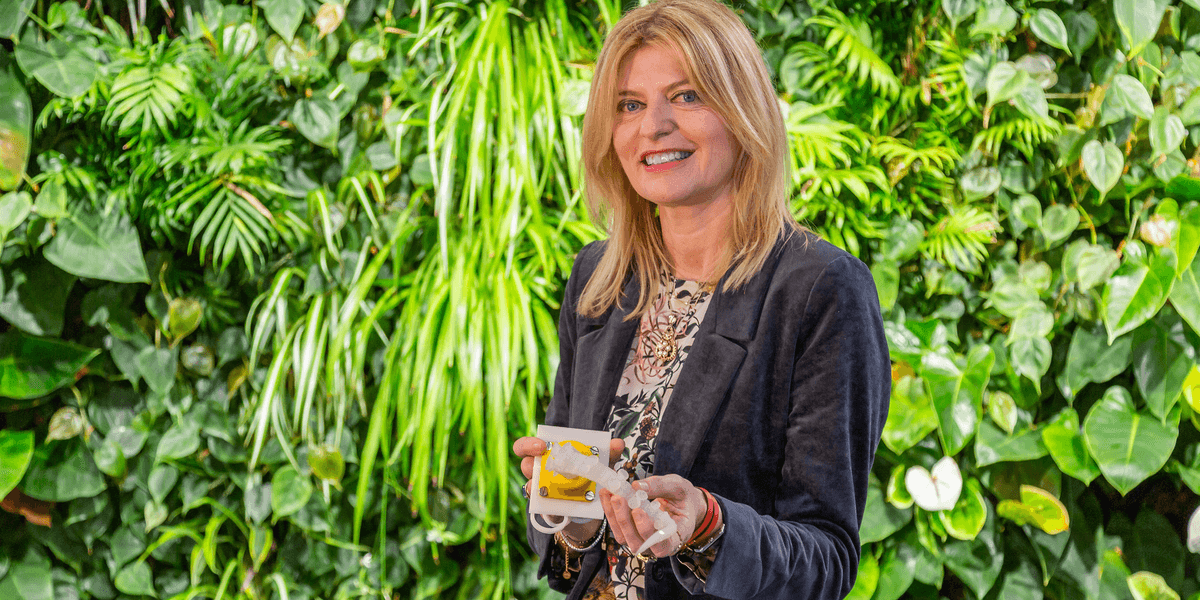
Barbara Mazzolai, associate director for robotics at the Italian Institute of Technology, published a manifest…
AstroForge built Solo, a transformer-based autonomous control stack made in-house, to fly on Autonomy-1 in 202…

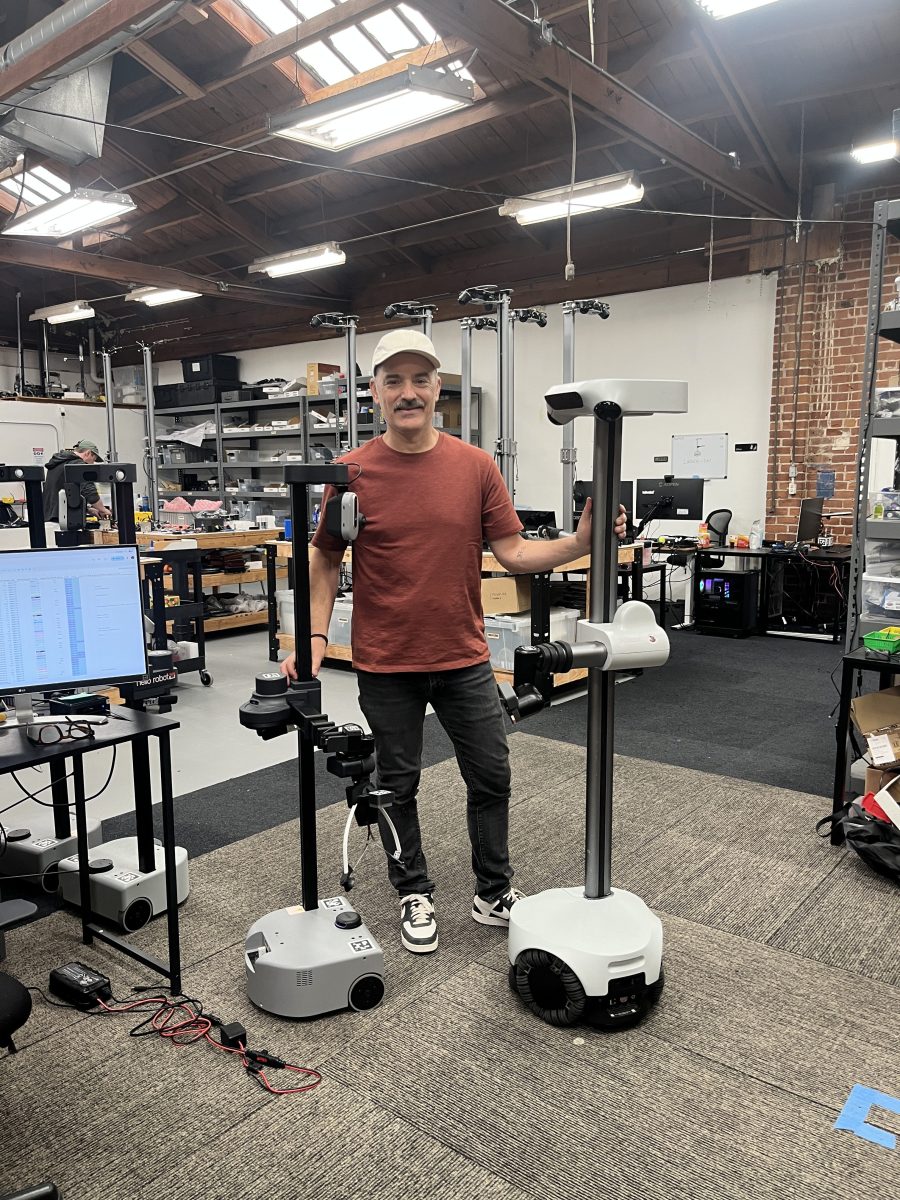
Hello Robot CEO and co-founder Aaron Edsinger will demo Stretch 4 live on the Real World AI Stage at TechCrunc…
Anthropic is building a biology lab in the San Francisco area, where Claude will guide robots through experime…
Tesla's robot team ran intensive supplier audits across China's Yangtze River Delta last week, covering Ningbo…