What happened
Meta appointed Dina Powell McCormick to lead its AI infrastructure buildout and outside capital strategy, consolidating financing, government relations and massive data center commitments under one person.
Why it matters
Her success in structuring capital and managing legal scrutiny could decide whether heavy AI and metaverse spending looks like disciplined execution or extended cash drag, per the existing Meta narrative.
What to watch
A practical waypoint is the February 2027 federal bellwether trial for school district claims; also watch whether Meta keeps its quarterly dividend at US$0.525 per share as AI spending and settlements absorb cash.
WHO IT HITSMeta investors tracking AI spending, legal risk, and the dividend will want to follow how McCormick structures financing and handles policy scrutiny, while school districts pressing the youth mental health claims now have a February 2027 trial date to aim for.
Summaries like this, in your inbox every morning.
Meta Platforms has handed Dina Powell McCormick a remit that spans AI infrastructure buildout, outside capital strategy, and coordination with external financing partners and policy stakeholders. That concentrates responsibility for how multi gigawatt projects, custom chips and power deals are funded and explained to policymakers, rather than leaving it fragmented across teams. It is a single point of accountability for decisions that the article says feed directly into how Meta's services evolve for billions of users.
The appointment lands alongside expanding litigation from multiple U.S. school districts, which allege Meta's platform design contributes to youth mental health risks. The article ties these threads together by noting that the existing Meta narrative already highlights heavy AI and metaverse spending, regulatory pressure and uncertain monetization as risks to margins and free cash flow. McCormick's remit lines up with those pressure points, and her success or failure in structuring capital, handling AI backlash and managing legal scrutiny is framed as influencing whether big compute investments feel like disciplined execution or extended cash drag.
For readers watching Meta, the practical markers are the February 2027 federal bellwether trial for school district claims and the quarterly dividend of US$0.525 per share, which the article says to track as AI spending and legal settlements absorb cash. Whether these catalysts reinforce or strain the wider Meta narrative may hinge on how the litigation and financing decisions unfold.
For example, today's edition would include:
AI-summarized, only the topics you pick — one digest a day via Email, Slack, or Discord.
Free · 30 seconds with Google · unsubscribe anytimeWhat is AIToday? →
Ask AI anything about this article. Q&As are published on this page for other readers too.
Huawei unveiled the OceanStor M900 at Huawei Connect 2026, a petabyte-scale key-value (KV) cache system design…
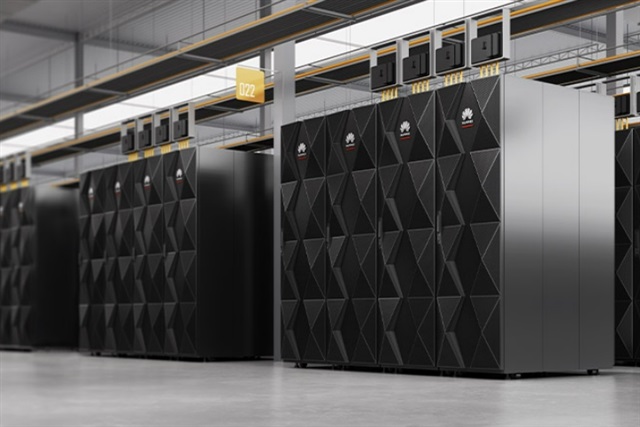
Wiwynn's top executive said AI infrastructure demand is likely to keep the server maker growing strongly for t…

Cloudflare announced its "Disallow AI Training" setting on September 15, available to all customers on all pla…

Microsoft and Swedish nuclear company Blykalla announced a partnership to apply AI to nuclear reactor licensin…

U.S. and Chinese security experts in a U.S.-China dialogue are urging both governments to prepare for scenario…

China's AI-driven industrial automation is giving Chinese Marxist economics a mighty boost