
What happened
A Zenn explainer walks through AI, machine learning, deep learning and LLMs as nested layers, noting early rule-based projects like Cyc struggled because staff had to hand-enter common-sense rules.
Why it matters
The piece frames the shift as each layer handing more work to the machine — deep learning learns its own features from data, and LLMs generate text by sampling from a probability distribution over next words, which is why the same question can get different answers.
Summaries like this, in your inbox every morning.
The primer traces a line from early AI, where rule-based systems like Cyc needed staff to manually enter common-sense knowledge, to machine learning, where models learn patterns from data instead. It then explains that traditional ML still relies on people to define features, which is why deep learning's ability to learn representations from raw data marked a shift in how much of the work the model handles.
The summary also distinguishes open-weight models, whose parameter lists are published and can run locally, from closed-weight models like Claude that are only accessible through apps or APIs. It notes that running a local LLM requires loading all parameters into memory, which is why large-memory Mac configurations saw shortages during a local-AI boom, and that splitting a model across multiple GPUs or offloading parts to disk are options with clear trade-offs in cost and speed.
Pick your industry and the AI tools you use, and get news related to your work every day.
Free · 30 seconds with Google · unsubscribe anytimeWhat is AIToday? →
Ask AI anything about this article. The AI reads this article, earlier AIToday articles, and Wikipedia, and cites its sources. Q&As are published on this page for other readers too.
After Character.AI filed for bankruptcy this week, a legal filing shows Disney agreed to offer jobs to at leas…
Anthropic's internal study shows junior new hires in technical departments fell from 27 percent to 9 percent s…
Mastercard is testing a new intelligence layer in its Agent Pay Trust Framework in the United States that prod…

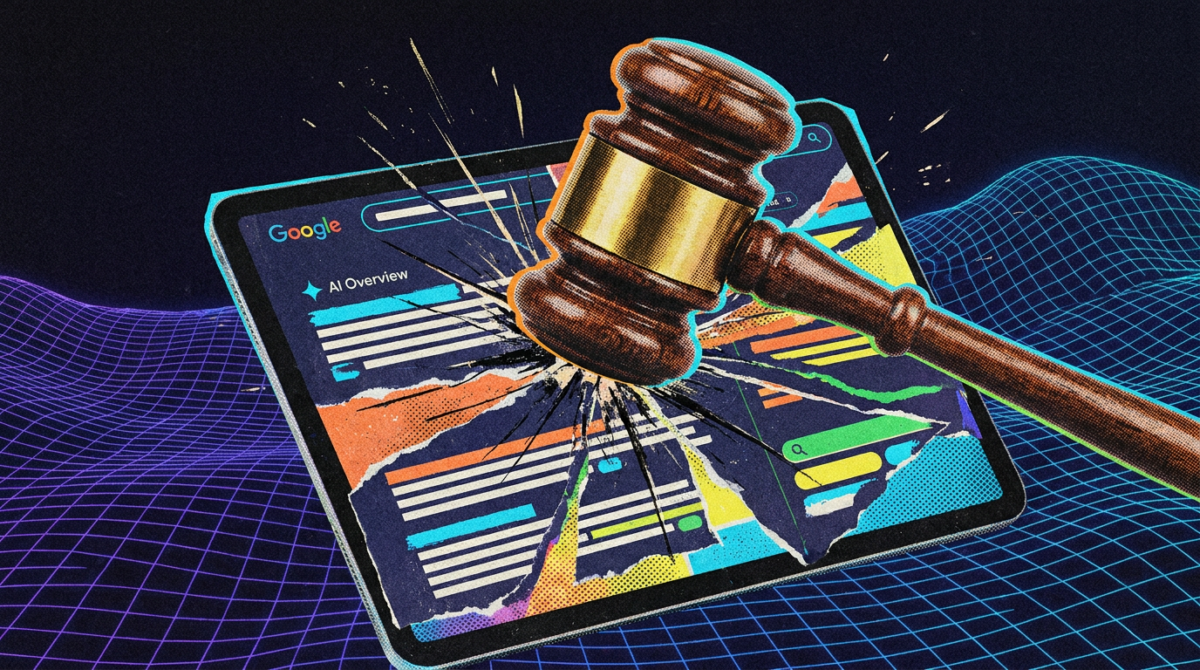
In a decision dated September 24, 2026, the Aachen Regional Court banned Google from spreading three false AI…
Three designs for turning encoded inputs into predictions: pooling all inputs into one shared vector, applying…

Across 24 counted runs of /code-review on a 41-line shopping-cart file with six planted bugs, --max-findings 1…

