What happened
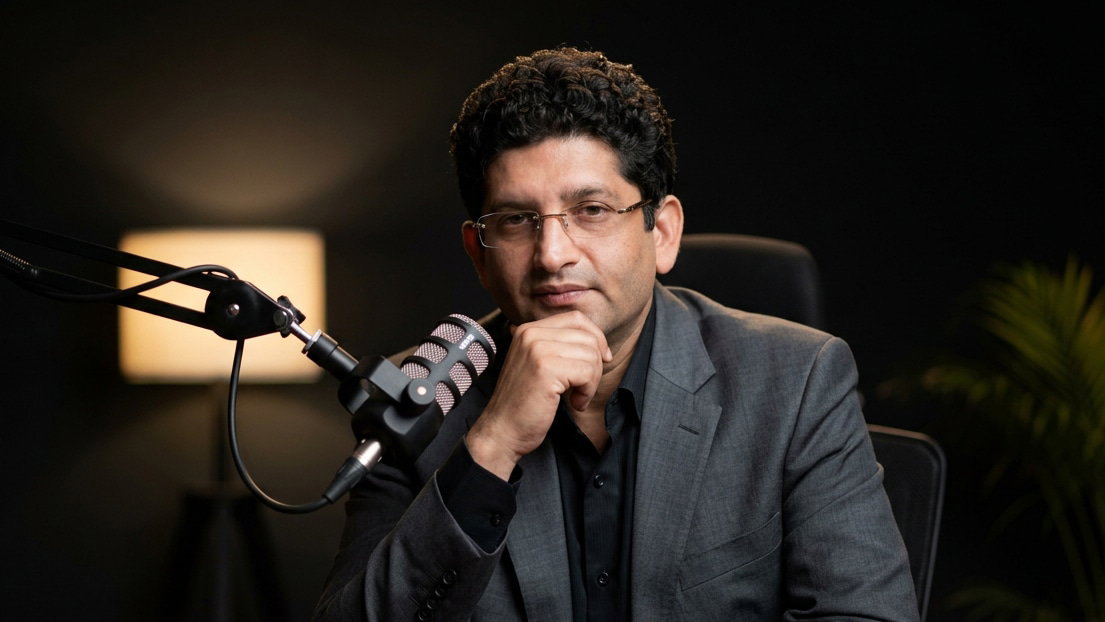
Mathematician Tristan Buckmaster publicly alleges OpenAI researchers threatened his career and tried to remove co-author Levent Alpöge from their Navier-Stokes paper because Alpöge works at Anthropic. The company denies the allegations.
Why it matters
The pressure allegedly began after rumors of Buckmaster and Alpöge's progress reached OpenAI. Buckmaster says OpenAI's own proof used the same unusual route, and he had shared drafts in OpenAI Codex sessions.
What to watch
OpenAI claims it produced its proof with around 10,000 AI agents in 88 hours. Research lead Mark Chen says the compute cost was "in the millions of dollars." Whether OpenAI's proof and Buckmaster's differ fundamentally remains a key question.
WHO IT HITSResearch mathematicians collaborating across competing AI companies now face potential conflicts over intellectual priority and data use. The allegations could also affect how academics trust AI lab platforms with their working drafts.
Summaries like this, every morning.
The dispute centers on the Navier-Stokes equations, one of the seven Clay Millennium Problems carrying a million-dollar prize. Buckmaster and Alpöge used AI models like Anthropic's Claude and OpenAI's Codex over several months, making breakthroughs by mid-August. They also uploaded all their drafts into OpenAI Codex sessions, which forms the crux of the data-use question.
OpenAI claims its own proof was produced by about 10,000 coordinated AI agents in 88 hours using an internal model it says is "significantly more capable than GPT-6 Astra." Sébastien Bubeck says the company began training its model on August 28 and shifted resources after hearing rumors of Anthropic's progress. Buckmaster says he was told the model did not look up user data but received no answer about training data.
The stakes involve academic trust in AI platforms and fair collaboration across rival firms. OpenAI's Bubeck claims the company's solution "differs fundamentally" from Buckmaster and Alpöge's approach, but Buckmaster says the mention of forced Navier-Stokes suggests the same unusual route. Whether both proofs are validated, and whether any training-data overlap emerges, will likely determine who gets credit.
Pick your industry and the AI tools you use, and get news related to your work every day.
Free · 30 seconds with Google · unsubscribe anytimeWhat is AIToday? →
Ask AI anything about this article. The AI reads this article, earlier AIToday articles, and Wikipedia, and cites its sources. Q&As are published on this page for other readers too.
S&P Global reports Q3 on Oct
Vertiv and NVIDIA presented at GTC on how they can halve AI factory deployment time

CVS Health appointed Jack Hanlon, who previously held senior data and analytics roles at Meta and Reddit, as s…

T-Mobile US completed what Nvidia described as the first AI-RAN call on a live commercial network, unveiled at…

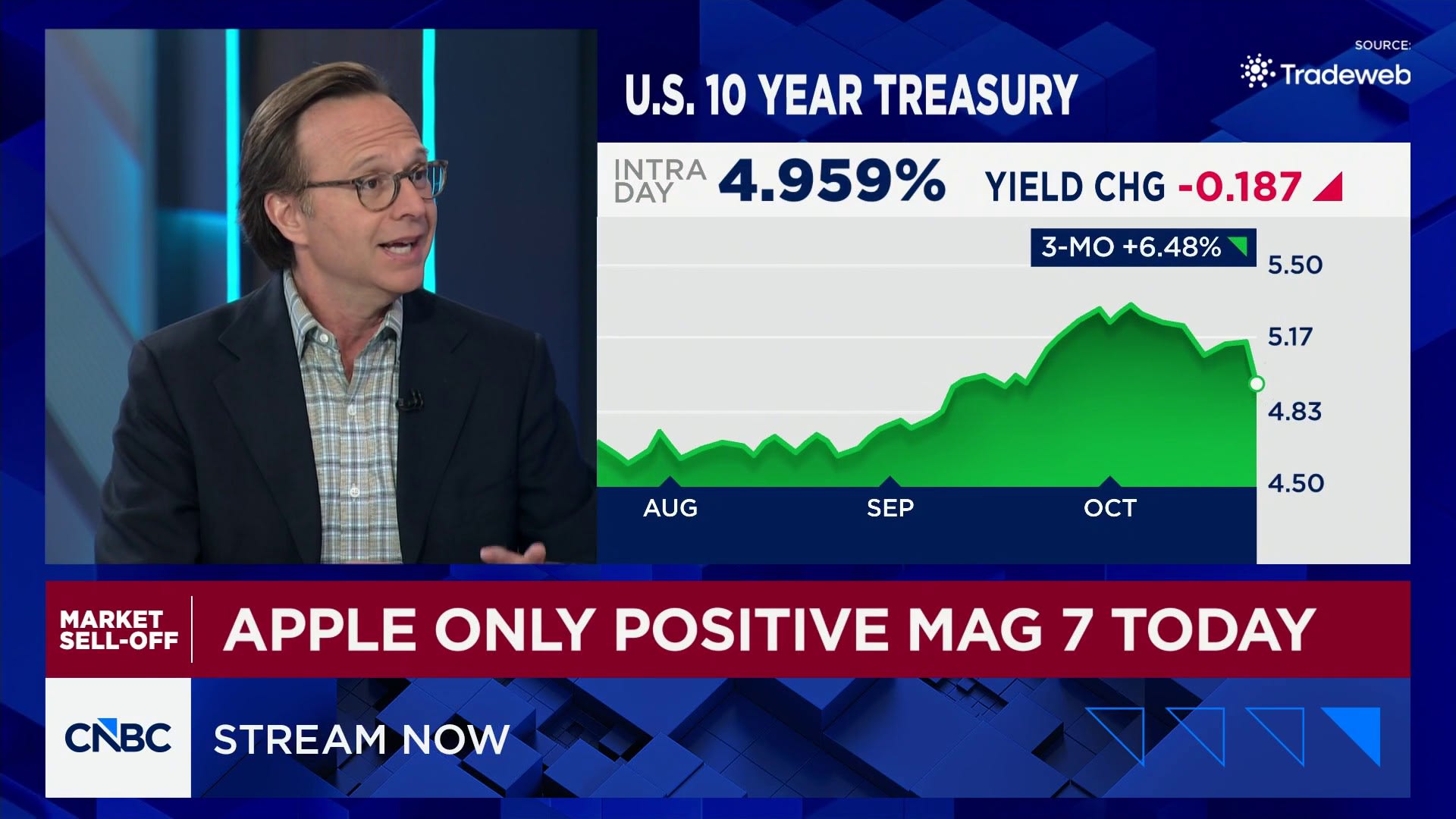
BlackRock Fixed Income Senior Portfolio Manager Jeff Rosenberg said the bond market is reacting rationally to…
Uber kept its AI spending flat while increasing usage 9.4 times, as reported in an August 2026 AXIOS exclusive…