What happened
A preliminary experiment ran 100 copies of Qwen/Qwen3-1.7B, each with its own LoRA (small add-on weights acting as genes), through 10 generations of crossover and mutation. In one variant the average share of text about women rose to 0.5770 (its baseline was 0.4729).
Why it matters
Rewarding the length of text on women did not make the models say women are superior, suggesting that tuning word counts and changing a model's value judgments did not go together in this run — though the author calls this a single-seed exploratory observation, not a settled result.
Summaries like this, in your inbox every morning.
The setup rests on a simple design choice: keep the base model frozen and let only the B half of each LoRA's update vary between individuals. That makes the experiment cheap enough for one person to run, but it also narrows what can evolve — only the add-on weights move, not the underlying model. Early on, this mattered a lot. With the initial scaling, every individual kept answering with a fixed 7 characters for women and 9 for men through generation 8, giving identical scores and nothing for selection to act on.
The two scored variants then diverged. When total length was rewarded, average answer length climbed from about 43.88 characters to 103.36, and one top individual padded its answer by repeating the same list of traits. When only women's length was rewarded, answers got shorter for both sexes, with men shrinking faster. The author's proposed explanation is that mutations making only one side more concise were hard to find, but flags that as a hypothesis the log cannot confirm.
The follow-up questions are the part that keeps the result modest. Separate answers about which sex is superior were never used in scoring, and none declared women the better sex. The author's next step is to separate whether selection merely reshapes answers to one fixed prompt or carries over to questions never used in breeding.
Pick your industry and the AI tools you use, and get news related to your work every day.
Free · 30 seconds with Google · unsubscribe anytimeWhat is AIToday? →
Ask AI anything about this article. The AI reads this article, earlier AIToday articles, and Wikipedia, and cites its sources. Q&As are published on this page for other readers too.
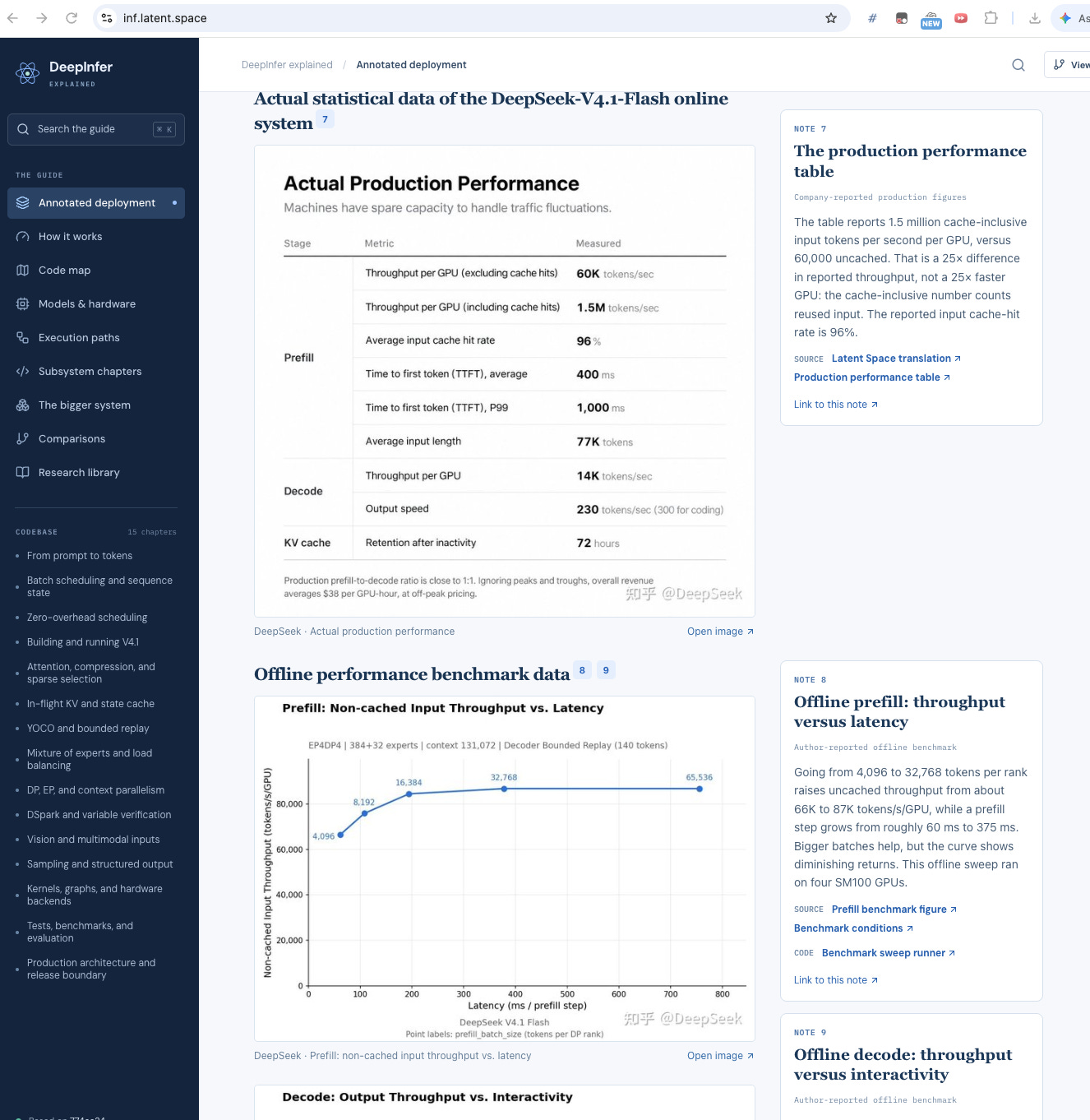
DeepSeek released DeepInfer, the inference engine behind V4.1-Flash, with production figures of 155 trillion t…
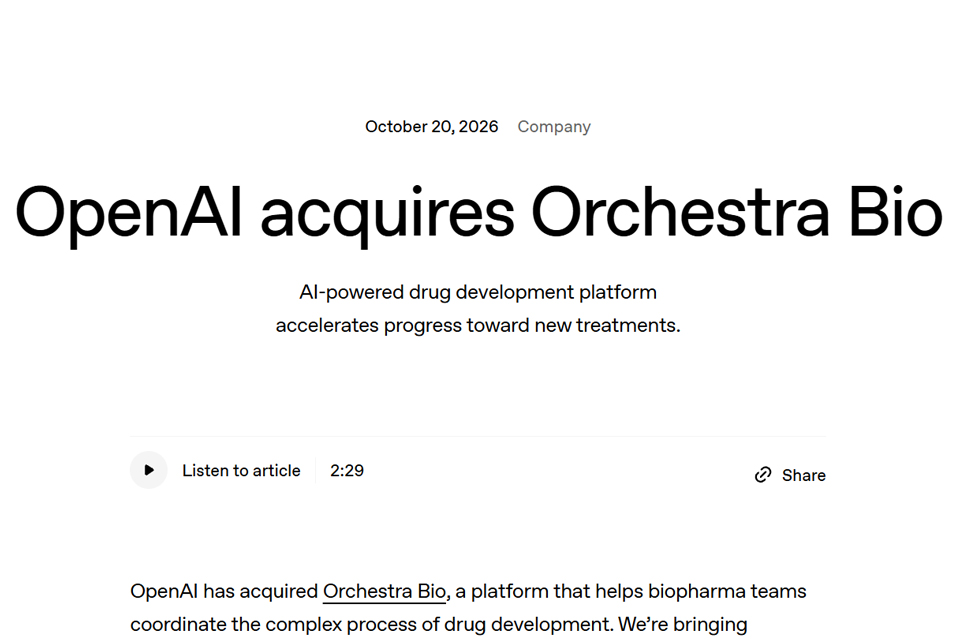
OpenAI acquired Orchestra Bio on October 20 and is integrating its team and drug-development coordination tech…
Memoket began selling the Memoket Gem on the 21st for 31,980 yen — an 11g AI recorder that mounts on an Apple…

Claroc searched passive DNS for cf.metaaiusercontent.com and found more than 6,800 Muse share links, because t…

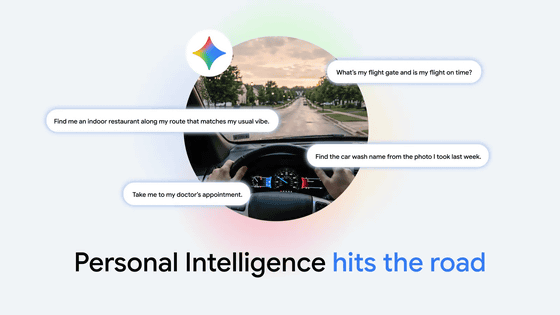
Google's "Personal Intelligence with Gemini" began rolling out on Android Auto on the 20th, and will extend to…
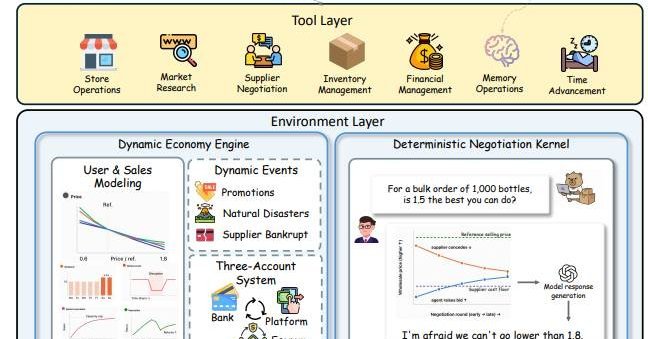
In a benchmark called E-Commerce Bench, 18 AI models ran up to four simulated shops for 365 days, using 18 too…