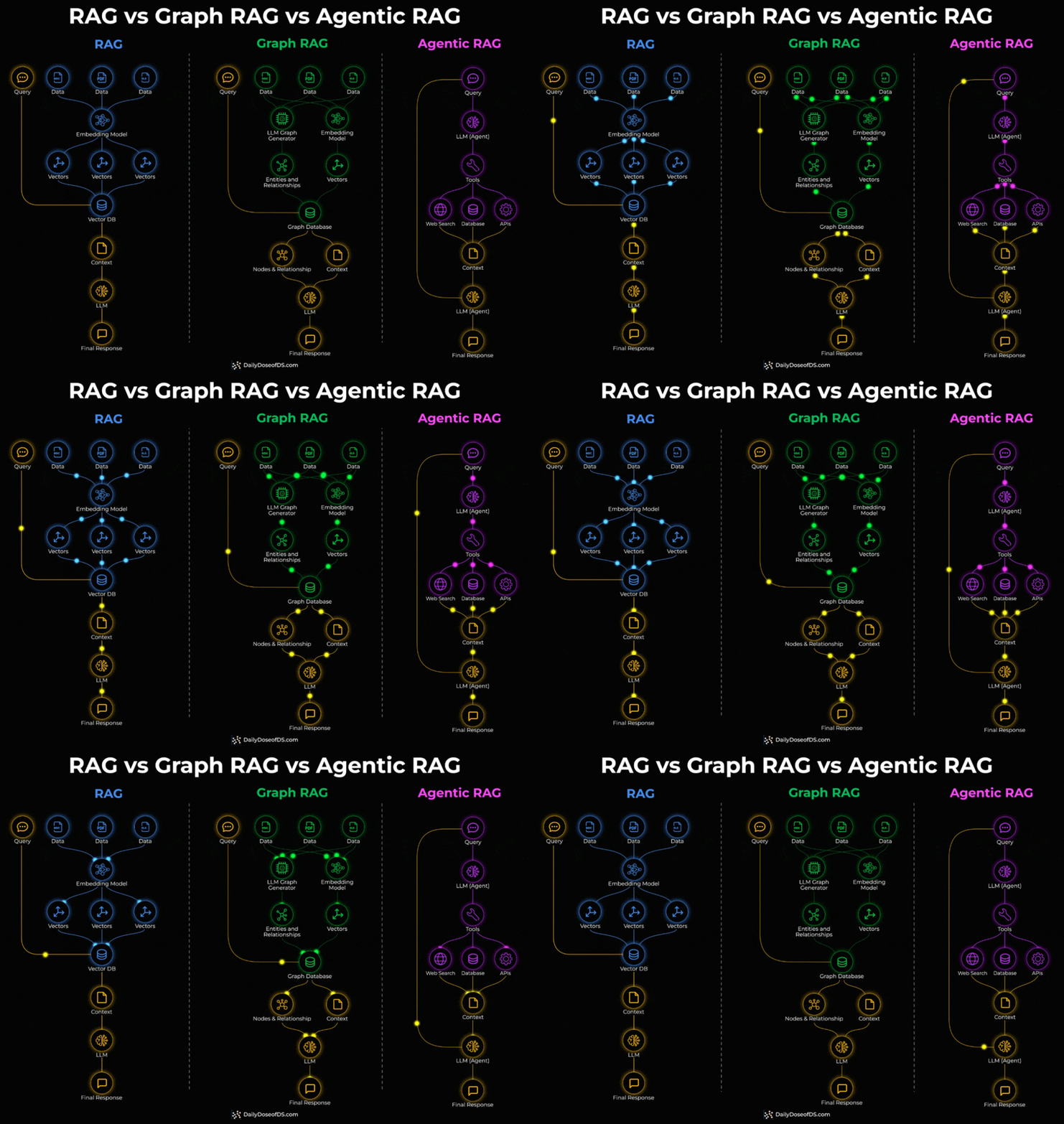
Standard RAG embeds documents into vectors and retrieves similar chunks via similarity search, but fails when a query requires connecting facts spread across multiple documents.
Graph RAG adds a knowledge graph layer where an LLM extracts entities and relationships during indexing, then traverses these connections during retrieval instead of relying on embedding similarity alone. This enables multi-hop queries—for example, finding that a checkout service will be affected by maintenance on a cluster it depends on, even when the intermediate connection (the payments API) doesn't appear in the original query.
Agentic RAG uses an LLM agent that decides at query time which tools to invoke, which sources to query, and in what order, rather than following a fixed retrieval pipeline.
These three architectures solve different query types: single-hop factual lookups use standard RAG, multi-hop relationship queries use Graph RAG, and dynamic multi-source tasks with tool use use Agentic RAG.
Ask the AI about this article →
For example, today's edition would include:
AI-summarized, only the topics you pick — one digest a day via Email, Slack, or Discord.
Free · takes 30 seconds · unsubscribe anytimeWhat is AIToday? →
Ask AI anything about this article. Q&As are published on this page for other readers too.
CBTS Technology Solutions LLC launched Forge Agents, a platform that turns a plain-language job description in…
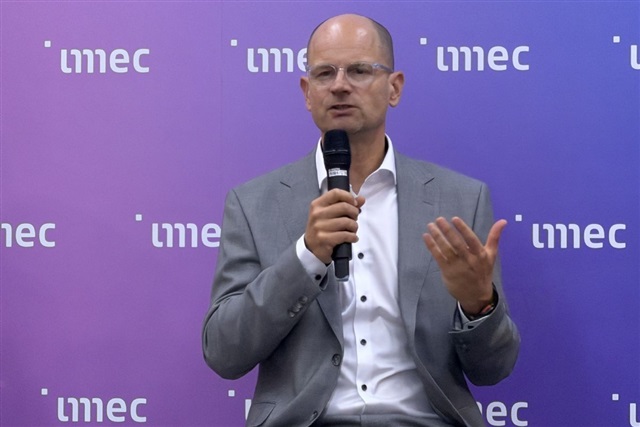
Imec CEO Patrick Vandenameele said at SEMICON Taiwan 2026 that the Belgian research center is broadening its c…
Alphabet's AI Overviews now reach over 2.5 billion monthly users through Google Search, and its ad business ge…
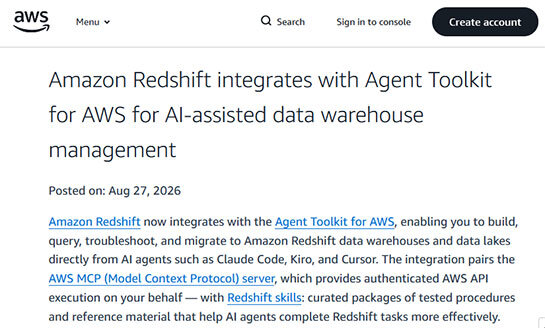
Amazon Web Services (AWS) has integrated its fully managed data warehouse service, Amazon Redshift, with Agent…
Visual Studio Code 1.135 now includes an experimental 'Rubber Duck' feature that lets developers request a sec…
Sonos announced a new app update with generative AI features, a new soundbar called the Beam Ultra, and its se…